
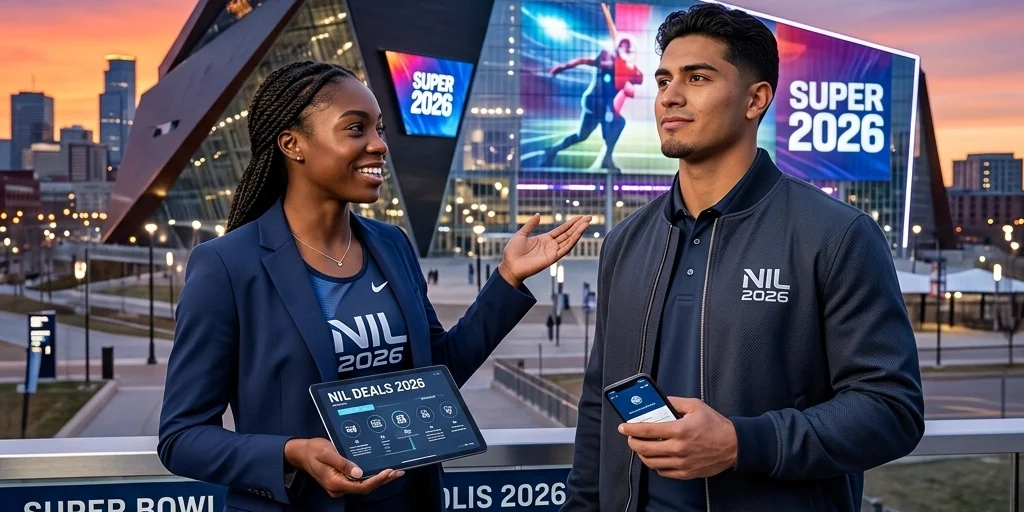
As the final whistle blew at Levi's Stadium on February 16, 2026, marking the Seattle Seahawks' 29-13 victory over the New England Patriots, it wasn't just the scoreline that made headlines. Super Bowl LX represented a definitive turning point in marketing history. For Fortune 100 brands, the traditional $7 million 30-second commercial spot is no longer the undisputed king of the mountain. We have officially entered the era of the NIL (Name, Image, and Likeness) Revolution, where athlete-driven, authentic content has replaced the high-gloss, scripted advertisements of the past.
At USA Entertainment Ventures LLC, we understand that the landscape of sports marketing has shifted from broadcast dominance to personalized digital engagement. For major corporations, navigating this new terrain requires more than just a large budget; it requires a sophisticated understanding of compliance, strategy, and the nuances of athlete influence.
The Shift: From Celebrity to Authenticity
The 2026 Super Bowl demonstrated a fundamental shift in consumer behavior. Audiences, particularly younger demographics, have developed a "filter" for traditional advertising. Instead of scripted segments featuring movie stars, fans are gravitating toward behind-the-scenes content where athletes use products in their natural environments.
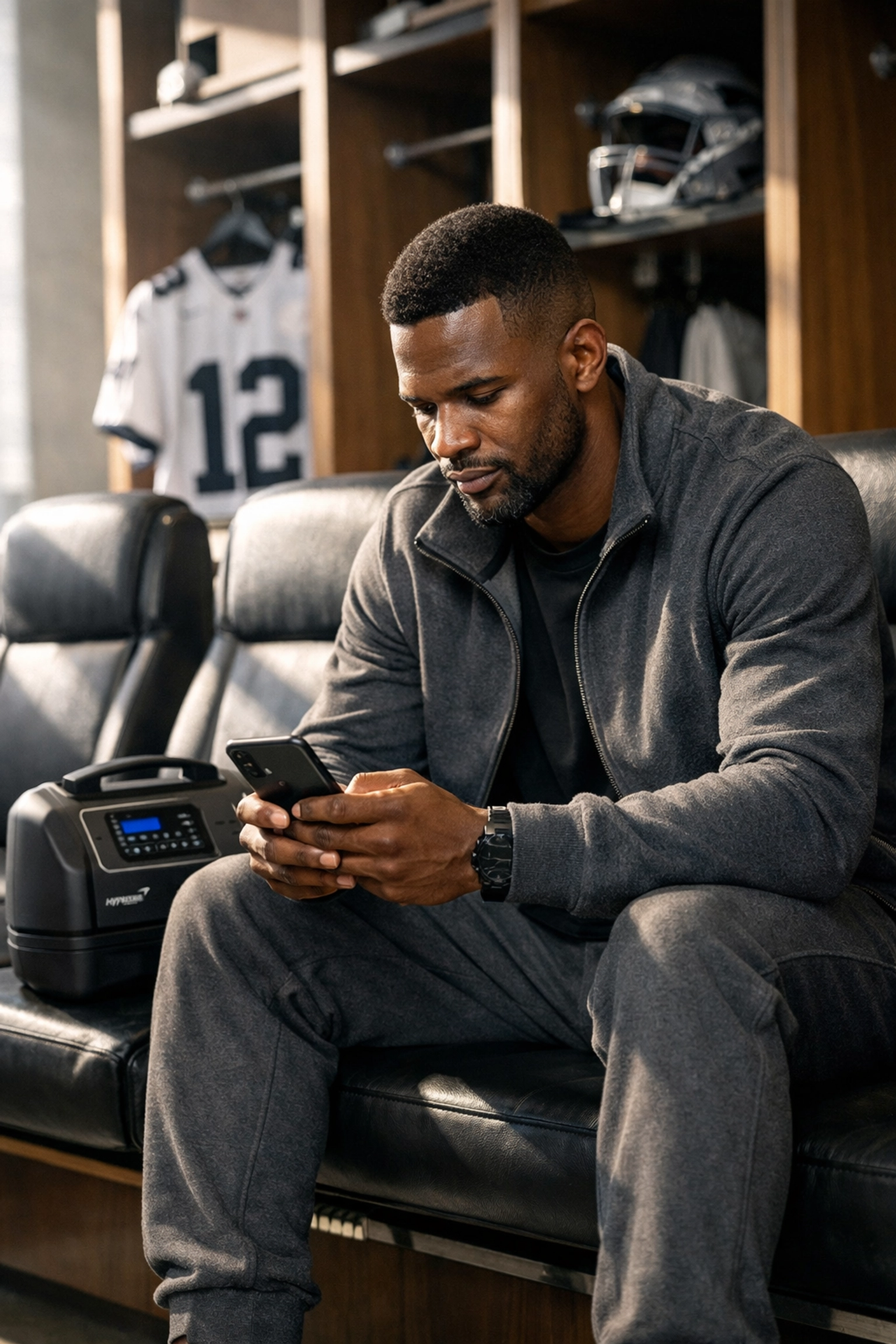
This evolution is driven by the NIL framework, which has matured significantly since its inception. Today’s top-tier brands are no longer just looking for a face for a billboard; they are seeking partners who can bridge the gap between a corporate identity and a loyal fan base. The power of NIL lies in its perceived authenticity. When an athlete shares their genuine pre-game ritual or post-game recovery process, the brand integration feels organic rather than intrusive.
The 72-Hour Blitz: A Strategic Timeline
Success during the Super Bowl window is no longer measured in a single night. Data from Super Bowl LX confirms that the most successful NIL campaigns utilize a "72-Hour Blitz" strategy to maximize visibility across digital platforms.
1. Pre-Game (24 Hours Out)
The objective here is anticipation. Fortune 100 brands should leverage NIL partners to share content related to game-day rituals, predictions, or preparation. This builds an immediate connection with the audience before the noise of the game begins. By the time the kickoff occurs, the brand is already associated with the athlete’s journey to the field.
2. Game Day (Real-Time Engagement)
High-production value often takes a backseat to speed during the game. Successful brands in 2026 used real-time reactions to big plays, half-time updates, and "in-the-moment" commentary. These fast, agile content pieces outperformed expensive, pre-recorded commercials in terms of social sharing and direct engagement.
3. Post-Game (The Celebration)
The window immediately following the game is prime for analysis and celebration. Whether your athlete partner is hoisting the trophy or reflecting on a hard-fought season, this is the time to solidify the brand’s presence as a supporter of the sport and its players.
Navigating the Compliance Minefield
For large-scale organizations, the legal complexities of NIL can be daunting. Engaging in business consulting to ensure compliance is non-negotiable. The regulatory environment for 2026 is multi-layered, involving both league-wide rules and federal oversight.
The CSC Reporting Requirements
Any third-party NIL deal exceeding $600 must be submitted to the College Sports Commission (CSC) through the NIL Go portal. This must be completed within 5 to 14 days of execution. It is worth noting that the CSC has become more rigorous in its reviews, rejecting a meaningful number of submissions that do not meet specific transparency and fair-market value standards.
Dual Licensing
One of the most common pitfalls for brands is the failure to secure dual licensing. To use an athlete in their professional or collegiate capacity, brands generally need two separate agreements:
- Institutional Agreements: Licensing with the team or the league for the use of logos, jerseys, and trademarks.
- Individual Agreements: Direct contracts with the athlete for the use of their name, image, likeness, and voice.
Without both, brands risk aggressive enforcement from the NFL and other governing bodies, which protect their official sponsors and trademarks with extreme vigilance.
Jurisdiction and Age Restrictions
Compliance also varies by state. For example, athletes under the age of 17 in states like Texas cannot legally enter into NIL contracts. Furthermore, partnerships involving gambling, tobacco, cannabis, or adult entertainment are prohibited or under high scrutiny in most frameworks.
The Untapped Potential of College Athletes
While professional stars like those on the Seahawks and Patriots rosters command the highest fees, college athletes represent a unique and often more cost-effective opportunity. During Super Bowl week, many top-tier college athletes are in the host city for media appearances and promotional events.
Fortune 100 brands are increasingly finding that college athletes deliver higher engagement rates among Gen Z and Millennial audiences. These partnerships often provide a way to circumvent some of the more restrictive NFL trademark rules while still capitalizing on the excitement surrounding the game.

Digital Distribution and Video Integration
The "NIL Revolution" is not just about who you hire, but where you place them. Relying solely on a player's social media feed is no longer enough. The most successful 2026 campaigns utilized broad digital networks to distribute athlete-led content, ensuring it reached targeted demographics across the web.
The following video illustrates how these partnerships are structured to bridge the gap between traditional media and the new NIL landscape:
https://www.youtube.com/watch?v=l6J-0zileKE
As discussed in our media division, video content is the primary vehicle for NIL success. It allows for a narrative depth that static images cannot match, providing the "storytelling" element that Fortune 100 brands need to build long-term brand equity.
Implementing a Dual-Track Approach
To truly succeed in the NIL space, we recommend a dual-track implementation strategy:
- Immediate Visibility: Partner with established athlete influencers for the immediate Super Bowl window. This provides the reach and prestige necessary for a major brand event.
- Long-Term Cultivation: Simultaneously identify and sign emerging talent before their market valuation rises. By building relationships early, brands can secure lower rates and build a more authentic history with the athlete.
This approach requires a cross-functional team that spans legal, marketing, and external sports advertising specialists. Lead times for these campaigns should extend months in advance to account for the CSC review periods and the complexity of dual-licensing negotiations.

Looking Ahead: The Future of Sports Marketing
The events of Super Bowl 2026 have proven that NIL is not a passing trend: it is a permanent shift in the marketing ecosystem. The ability to connect a global brand with a human story is a powerful tool, provided it is handled with the necessary strategic and legal oversight.
At USA Entertainment Ventures LLC, we specialize in helping Fortune 100 companies navigate these shifts. From ensuring CSC compliance to managing athlete relations and digital distribution, our goal is to ensure your brand is not just a spectator, but a leader in the NIL revolution.
The transition to athlete-driven marketing offers a path to higher engagement, better brand sentiment, and a more resilient connection with the modern consumer. As we look toward the future, the brands that embrace this change with transparency and strategic foresight will be the ones that continue to dominate the marketplace.

The Super Bowl is no longer just a game; it is the ultimate testing ground for the future of brand-consumer relationships. By integrating the lessons learned from 2026: prioritizing authenticity, ensuring rigorous compliance, and utilizing a multi-channel digital strategy: your organization can turn the NIL revolution into a significant competitive advantage.





