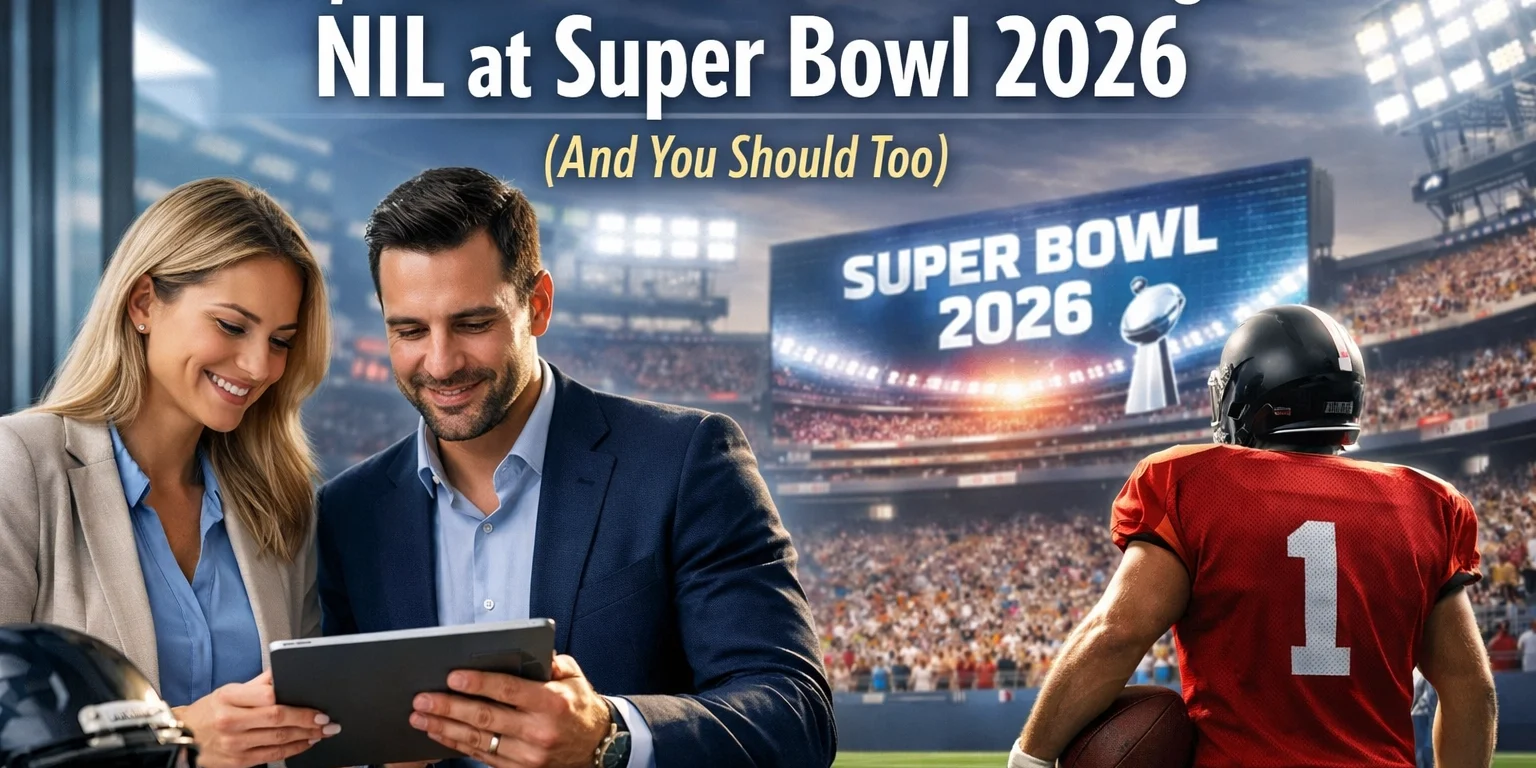
The landscape of sports marketing has undergone a fundamental transformation since the NCAA's 2021 decision to allow college athletes to profit from their name, image, and likeness. Three years later, as Super Bowl LX approaches in February 2026, Fortune 100 companies are increasingly viewing NIL partnerships not as experimental ventures but as essential components of their marketing strategies. The convergence of college athletics, professional sports' biggest stage, and brand activation represents a watershed moment that forward-thinking companies cannot afford to ignore.
The NIL Revolution Reaches Critical Mass
Name, Image, and Likeness agreements have evolved from modest local endorsements to sophisticated marketing partnerships worth millions of dollars. In 2026, the NIL market has matured into a structured ecosystem where brands can identify, vet, and partner with collegiate athletes who command genuine influence among highly desirable demographic segments.
Fortune 100 brands recognize that traditional celebrity endorsements, while still valuable, often carry prohibitive costs and risks. Professional athletes command eight-figure deals, and their public personas may not always align with shifting brand values. College athletes, by contrast, offer authenticity, regional specificity, and audience engagement that resonates particularly well with younger consumers who increasingly distrust conventional advertising.
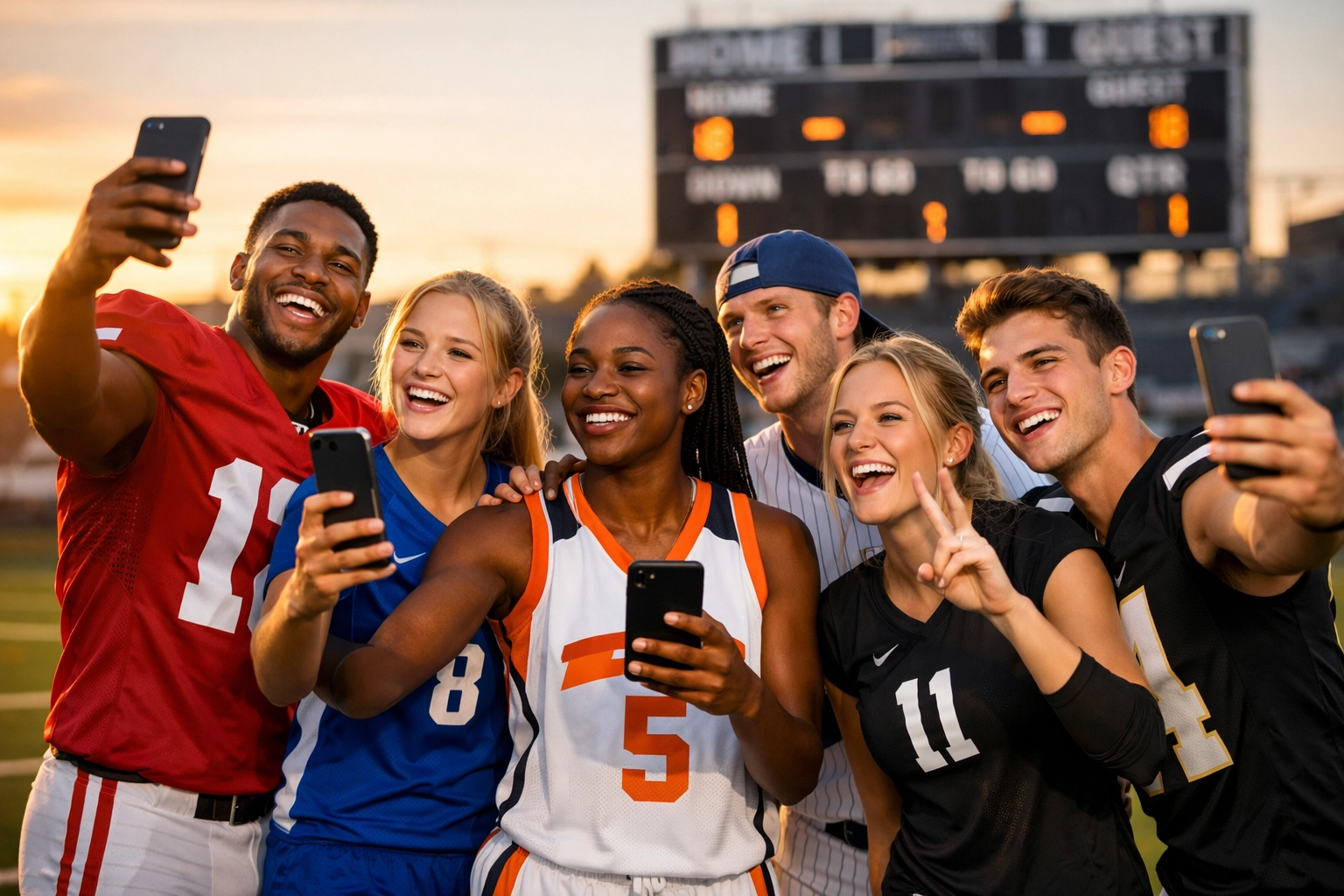
The numbers support this strategic shift. According to recent industry analysis, NIL deals have grown exponentially since inception, with total market valuations exceeding $1.5 billion annually. More significantly, engagement rates on social media posts featuring college athletes consistently outperform those of traditional paid advertisements, with some partnerships generating engagement rates 3-5 times higher than comparable celebrity endorsements.
Why the Super Bowl Amplifies NIL Value
Super Bowl LX represents more than just a championship game. It stands as the single largest advertising event in the American calendar, drawing over 100 million viewers and generating billions in economic impact. For Fortune 100 brands paying upwards of $7 million for a 30-second commercial spot, maximizing return on investment requires comprehensive activation strategies that extend far beyond the broadcast itself.
This is where NIL partnerships demonstrate exceptional value. College athletes who participate in Super Bowl-adjacent activations: whether through social media campaigns, fan experiences, or content creation: provide brands with multiple touchpoints across diverse audience segments. A Fortune 100 company can engage a quarterback from a Southern university to reach SEC fans, a basketball player from the Midwest to connect with Big Ten audiences, and a track star from California to appeal to Pac-12 followers, all while maintaining a cohesive brand message.
The geographical and demographic targeting available through strategic NIL partnerships allows brands to localize national campaigns in ways that traditional advertising cannot match. When a beloved college athlete promotes a Super Bowl campaign in their home market, it carries a credibility and personal connection that paid advertising struggles to replicate.
Strategic Advantages Driving Fortune 100 Investment
Several converging factors explain why major corporations are significantly increasing their NIL investments around major sporting events like the Super Bowl.
Authenticity and Trust: Research consistently demonstrates that younger consumers, particularly Gen Z, place premium value on authenticity in brand partnerships. College athletes, many of whom are balancing academics, athletics, and newfound business responsibilities, present as more relatable and genuine than established celebrity figures. When these athletes endorse products or services, their audiences perceive it as a personal recommendation rather than a transactional arrangement.
Cost Efficiency: While top-tier college athletes can command substantial fees, the overall investment remains significantly lower than comparable professional athlete partnerships. A Fortune 100 brand can partner with multiple college athletes across different sports and regions for the cost of a single professional endorsement deal, dramatically expanding reach and frequency.
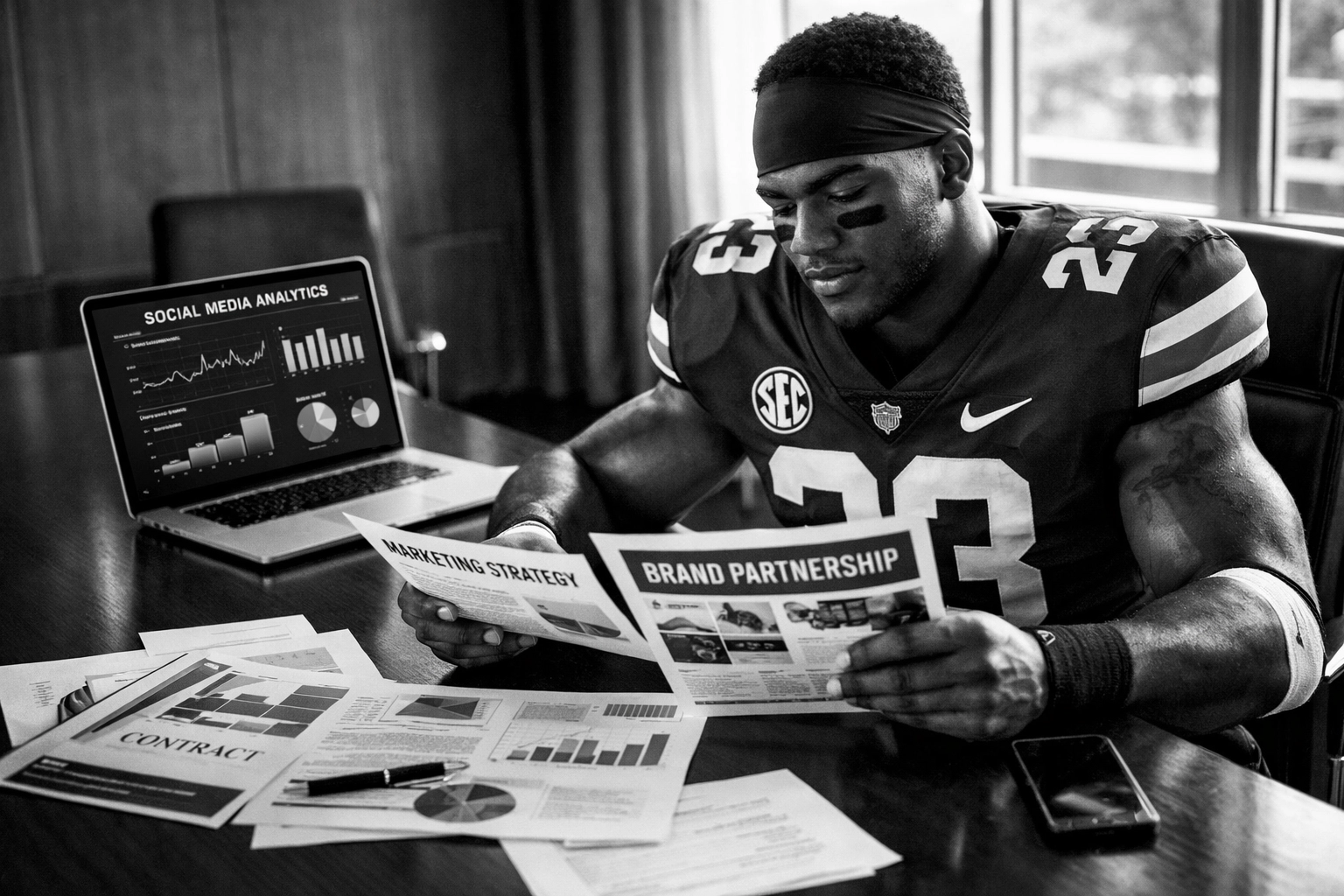
Content Generation: College athletes are digital natives who understand content creation intuitively. They produce authentic, platform-appropriate content that resonates with their followers without the need for extensive production resources. This user-generated content provides brands with a continuous stream of assets that can be repurposed across marketing channels.
Long-term Relationship Building: Establishing relationships with college athletes before they turn professional allows brands to build authentic partnerships that can extend throughout an athlete's career. Companies investing in NIL today are positioning themselves to maintain these relationships as athletes transition to professional leagues, creating continuity and brand loyalty that benefits both parties.
Understanding the Video Content Strategy
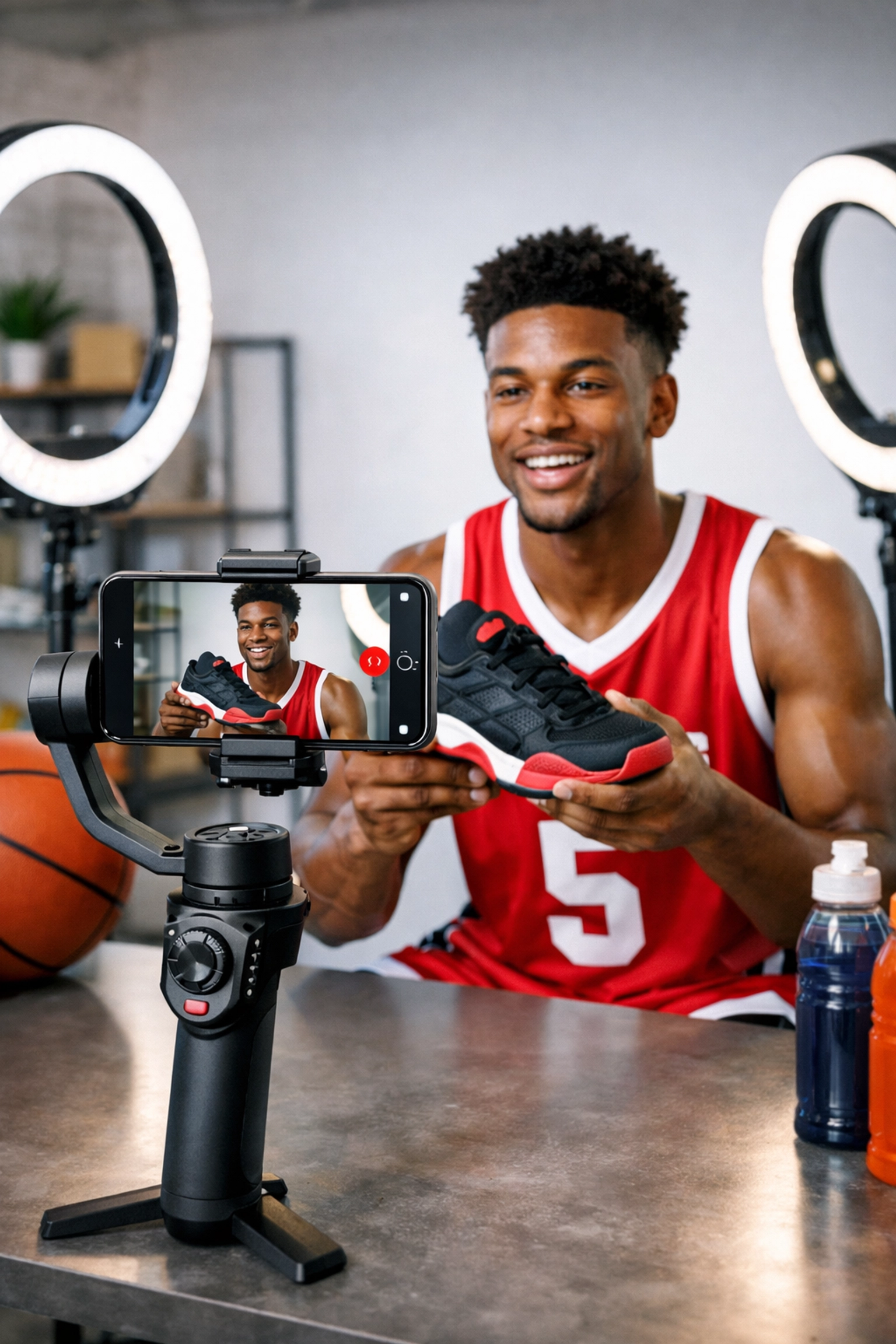
The integration of multimedia content into NIL campaigns demonstrates how Fortune 100 brands are approaching this space with sophistication and creativity. Video content, particularly when featuring college athletes in authentic settings, generates engagement levels that static advertising cannot achieve. Brands partnering with athletes around Super Bowl LX are producing content that tells stories, showcases personality, and creates emotional connections with viewers.
Navigating Compliance and Partnership Structures
Despite the opportunities, NIL partnerships require careful navigation of an evolving regulatory landscape. Fortune 100 companies entering this space must understand that while federal NIL rules have established a foundation, individual states maintain varying regulations, and educational institutions enforce their own policies regarding athlete partnerships.
Successful NIL strategies require collaboration with specialized agencies and consultants who understand both the legal frameworks and the athletic department relationships necessary to execute campaigns effectively. Brands must ensure that partnerships comply with NCAA regulations, state laws, and institutional guidelines while delivering measurable business outcomes.
The most sophisticated Fortune 100 companies are building dedicated teams or partnering with specialized agencies to manage their NIL portfolios. These resources handle everything from athlete identification and contract negotiation to content approval and performance measurement, ensuring that partnerships remain compliant while achieving marketing objectives.
Implementing an Effective NIL Strategy
For organizations considering NIL investments around major events like Super Bowl 2026, several best practices have emerged from early adopters.
Start by clearly defining objectives. Are you seeking to increase brand awareness in specific markets? Drive product trial among younger demographics? Build long-term brand affinity? Your objectives will determine which athletes to partner with and what activation strategies to employ.
Prioritize authenticity in partnerships. The most successful NIL collaborations occur when brands partner with athletes who genuinely align with their values and would naturally use their products or services. Forced partnerships damage both brand credibility and athlete reputation.
Invest in supporting infrastructure. Successful NIL campaigns require content creation resources, social media management, compliance oversight, and performance measurement. Ensure your organization has the internal capabilities or external partnerships necessary to execute campaigns professionally.
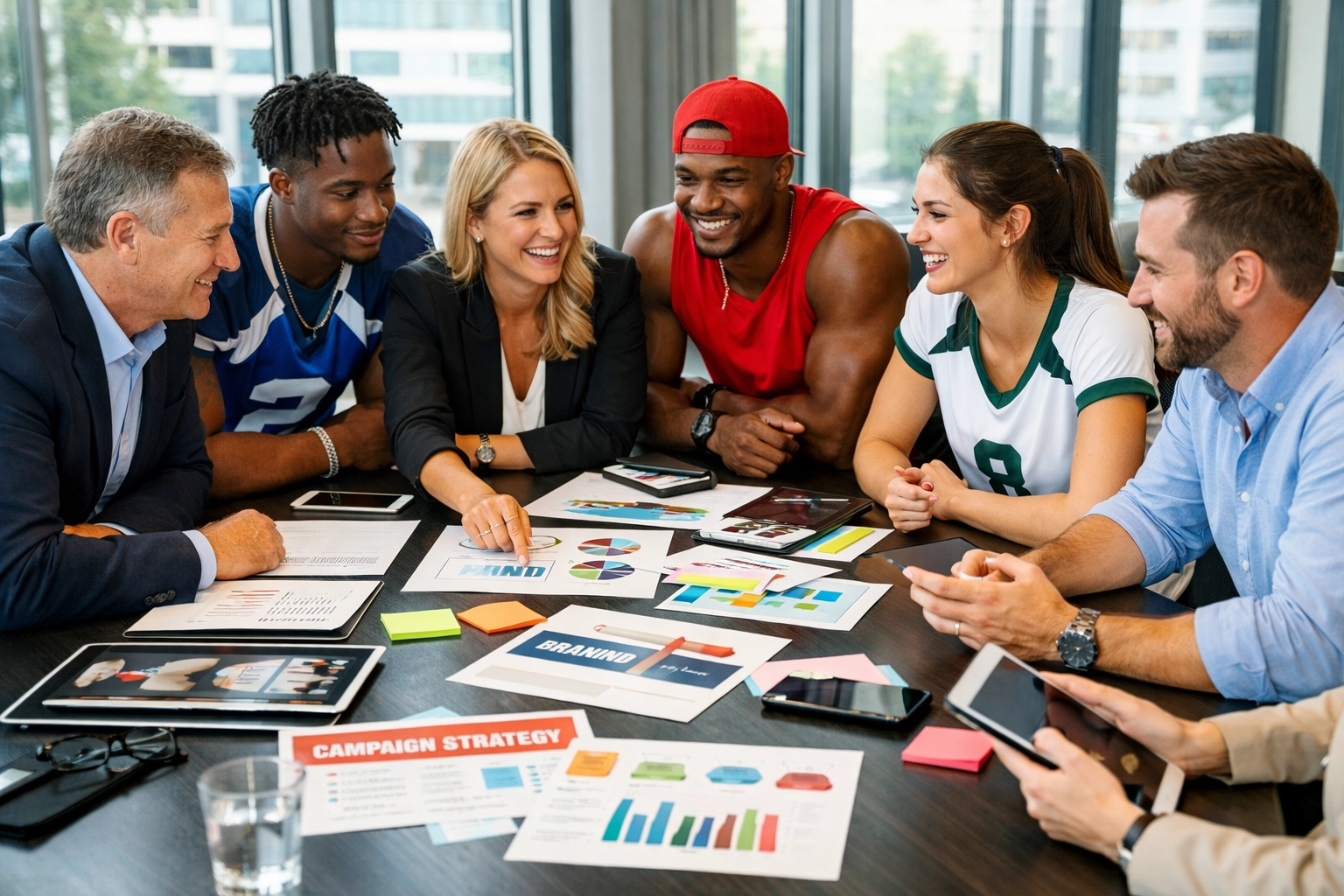
Measure and optimize continuously. Unlike traditional advertising with limited feedback mechanisms, NIL partnerships generate real-time engagement data. Monitor performance metrics, gather audience feedback, and adjust strategies to maximize return on investment.
The Future of NIL and Major Sporting Events
As Super Bowl 2026 approaches, the integration of NIL partnerships into major sporting event marketing represents more than a temporary trend. It signals a fundamental shift in how brands connect with audiences through authentic, diverse, and highly engaging partnerships with emerging athletic talent.
Fortune 100 companies investing in NIL today are establishing market leadership in a channel that will only grow in importance. As college athletes become increasingly sophisticated in managing their personal brands, and as supporting infrastructure continues to mature, NIL partnerships will become standard components of comprehensive marketing strategies.
The brands that succeed will be those that approach NIL not as a transactional advertising channel but as an opportunity to build genuine relationships with both athletes and their audiences. They will invest in long-term partnerships, prioritize authenticity over reach, and integrate NIL into broader marketing ecosystems rather than treating it as an isolated tactic.
For organizations still evaluating whether to enter the NIL space, the question is no longer whether these partnerships offer value: the data clearly demonstrates they do: but rather how quickly you can build the capabilities necessary to execute them effectively. As Fortune 100 brands continue increasing their NIL investments around major events like the Super Bowl, the competitive advantage lies with those who move decisively while the market still offers opportunities for differentiation.
If you're ready to explore how NIL partnerships can transform your marketing strategy, USA Entertainment Ventures LLC specializes in connecting brands with emerging opportunities in sports and entertainment marketing. The revolution in athlete partnerships is here: the only question is whether your brand will lead or follow.