Traditional hiring metrics are failing Fortune 100 companies at an unprecedented scale. A student graduates with honors, possesses a polished resume, and interviews well: yet struggles to navigate basic digital collaboration tools or evaluate media sources in their first weeks on the job. This disconnect between educational achievement and workplace readiness has escalated from a human resources concern to a board-level priority.
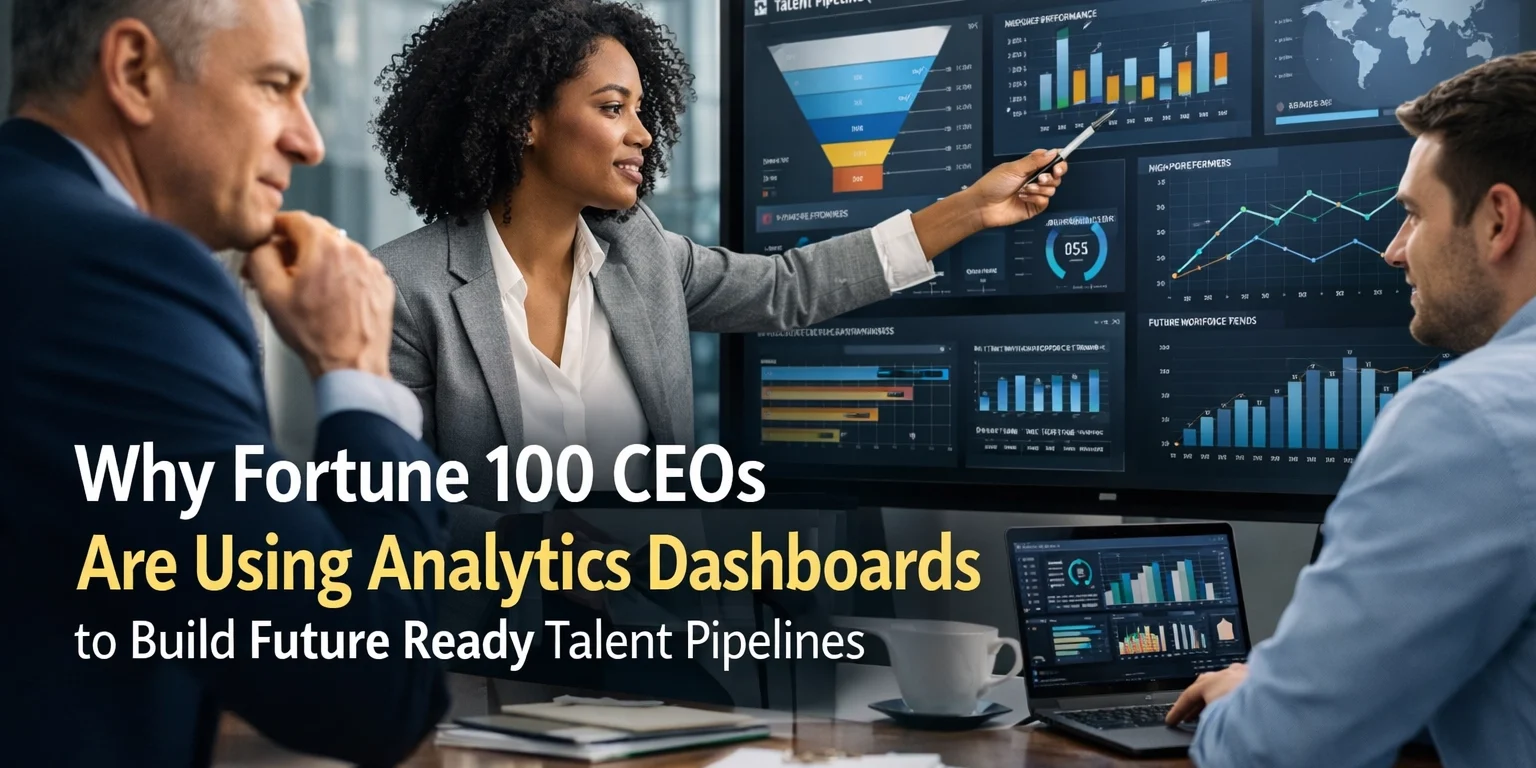
The solution emerging among leading executives involves a fundamental shift in how companies identify and develop talent years before the hiring process begins. Analytics dashboards now provide Fortune 100 CEOs with early visibility into talent pipeline health, measuring capabilities that traditional educational metrics consistently miss. These tools track digital literacy, media competency, and real-world engagement patterns that predict workplace success far more accurately than standardized test scores or grade point averages.
The Measurement Gap in Traditional Education
Standardized test scores, graduation rates, and college acceptance numbers tell an incomplete story about workforce readiness. A student can achieve perfect marks in traditional academic settings while lacking the technological adaptability, critical media evaluation skills, and digital collaboration capabilities required in modern work environments. Fortune 100 executives encounter this gap repeatedly during hiring cycles, watching recent graduates struggle with tasks that should represent baseline competencies.

The consequences extend beyond individual hiring decisions. Research indicates that 40% of the global workforce may need retraining to meet the demands of an AI-enabled economy. Traditional educational metrics provide no advance warning about which students possess adaptable skillsets versus those trained exclusively for environments that no longer exist. By the time deficiencies surface during onboarding, companies have already invested significant resources in recruitment and training.
This visibility problem creates cascading inefficiencies. Talent acquisition teams lack reliable data to identify which educational institutions produce work-ready graduates. Strategic planning divisions cannot accurately forecast future talent availability. Learning and development departments design remedial programs without understanding whether incoming employees lack foundational digital skills or require only minor adjustments to existing capabilities.
What Analytics Dashboards Actually Measure
The dashboards now deployed by Fortune 100 companies aggregate ten specific operational indicators that measure real-world readiness signals rather than academic proxies. These metrics focus on observable behaviors and demonstrated competencies that directly translate to workplace effectiveness.
Digital engagement analytics track real-time participation across learning platforms, measuring interaction depth, collaboration patterns, and content creation velocity. Unlike traditional participation grades, these metrics reveal how students navigate digital environments, respond to collaborative challenges, and demonstrate initiative in technology-mediated settings. The data identifies struggling students before traditional grading systems register problems and reveals engagement patterns that predict workplace collaboration effectiveness.

Media literacy outcomes represent another critical measurement domain. In an environment where misinformation spreads rapidly and brand reputation depends on sound judgment, the ability to evaluate sources, recognize bias, and construct evidence-based arguments has become essential. Analytics dashboards measure how students engage with diverse media types, assess credibility indicators, and demonstrate critical evaluation skills across platforms. These competencies directly impact how future employees will represent companies publicly and make decisions using available information.
Name, Image, and Likeness (NIL) education metrics track understanding of personal branding, intellectual property basics, and digital identity management. As professional work increasingly occurs in public or semi-public digital spaces, employees must understand how their online presence affects both personal career trajectories and employer reputation. Dashboards measure student comprehension of these concepts through project completion rates, demonstrated application in authentic scenarios, and ability to navigate complex permission and attribution requirements.
The Future Ready School Framework
Analytics dashboards enable Fortune 100 CEOs to identify which educational institutions function as "Future Ready" schools: environments that prepare students for actual workplace demands rather than idealized academic standards. These schools integrate technology not as an enhancement to traditional instruction but as the fundamental medium through which learning occurs.
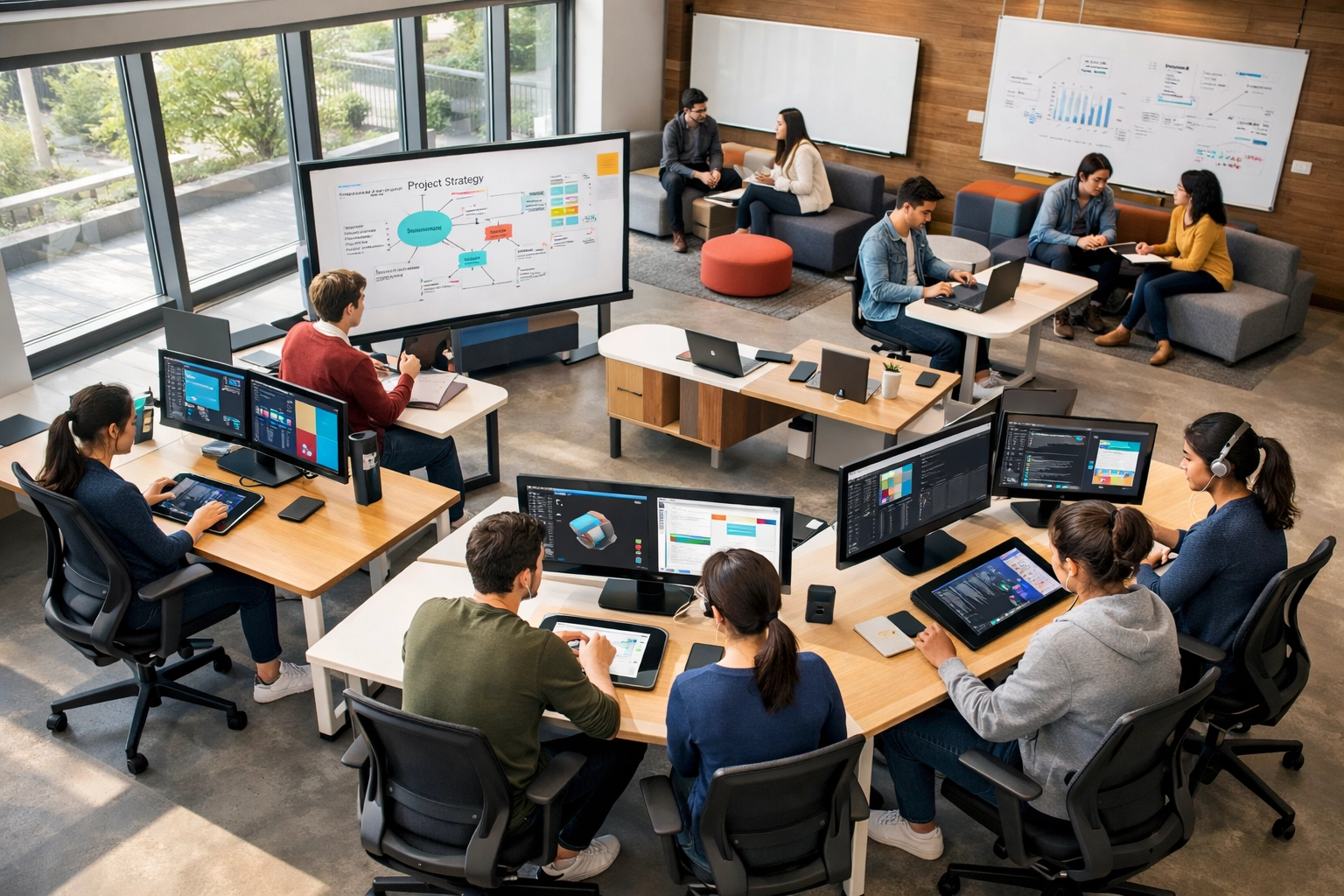
Future Ready schools implement comprehensive digital literacy curricula that treat technology fluency as a baseline expectation rather than an advanced skill. Students engage with collaboration platforms, project management tools, and communication technologies identical to those used in professional environments. The analytics dashboards track proficiency development across these systems, providing granular data about which competencies each student has demonstrated and which require additional development.
Media literacy education in Future Ready schools extends beyond identifying fake news to encompass broader information ecosystem navigation. Students learn to evaluate source credibility, understand algorithmic content curation, recognize persuasive techniques across platforms, and construct compelling arguments supported by verifiable evidence. Dashboard metrics measure these competencies through authentic assessment tasks that mirror real-world decision-making scenarios.
NIL education components prepare students to understand the commercial implications of their digital presence. This includes basic intellectual property concepts, personal branding principles, platform-specific content policies, and ethical considerations around image rights and attribution. As more professionals build public profiles as part of their career development, these competencies have shifted from niche entertainment industry knowledge to mainstream professional requirements.
The Integrated Dashboard Advantage
The power of analytics dashboards lies in pattern recognition rather than isolated snapshots. By consolidating data into executive-level reporting that updates daily, dashboards allow Fortune 100 leaders to identify trends months or years before they impact hiring pipelines. A school showing declining digital engagement scores or stagnant media literacy outcomes signals future talent shortages from that institution. Conversely, schools demonstrating consistent improvement across multiple metrics warrant increased recruitment attention and potential partnership investment.
This information enables strategic infrastructure investment decisions based on outcome data rather than facility assessments or reputation. If a regional educational institution demonstrates strong Future Ready metrics but limited scale, companies can justify partnership investments to expand program capacity. If prestigious institutions show poor digital literacy outcomes despite substantial resources, executives can redirect recruitment budgets toward schools producing demonstrably work-ready graduates.

The early identification of candidate potential through these dashboards enables companies to develop talent more intentionally. Rather than generic internship programs open to any enrolled student, companies can target specific individuals showing strong competency patterns across dashboard metrics. This approach allows for accelerated development tracks emphasizing strategic thinking, judgment under uncertainty, and the ability to manage both human and machine systems together: capabilities that traditional education rarely develops systematically.
Practical Implications for Talent Strategy
Fortune 100 CEOs using analytics dashboards report significant improvements in hiring efficiency and new employee performance. By focusing recruitment efforts on institutions with strong Future Ready metrics, companies reduce the time and resources spent on remedial training during onboarding. New hires arrive with demonstrated competencies in digital collaboration, media evaluation, and professional digital presence management: capabilities that previously required months of workplace development.
The data also informs corporate training program design. Rather than assuming uniform skill gaps across all new employees, companies can customize development programs based on specific dashboard indicators. An employee showing strong digital engagement but weaker media literacy outcomes receives targeted training in source evaluation and critical analysis. Another demonstrating excellent media literacy but limited NIL education understanding focuses on personal branding and intellectual property fundamentals.
Strategic workforce planning benefits from the extended visibility these dashboards provide. Rather than reacting to talent shortages after they impact operations, executives can identify emerging gaps years in advance and implement proactive interventions. This might include funding specific curriculum development at partner schools, creating targeted scholarship programs for students demonstrating desired competency patterns, or adjusting geographic recruitment strategies based on regional Future Ready school concentration.
The Path Forward
The integration of analytics dashboards into talent pipeline development represents more than technological adoption: it signals a fundamental reconceptualization of how companies identify and cultivate future workforce capability. As traditional educational credentials become less reliable predictors of workplace success, data-driven approaches to talent assessment provide the visibility executives need to make strategic decisions confidently.
The Future Ready school framework anchored by comprehensive analytics measurement offers a roadmap for educational institutions seeking to demonstrate value to potential employer partners. Schools that embrace digital literacy, media competency, and NIL education as core curriculum components position their students for success while providing Fortune 100 companies the measurable outcomes they increasingly demand. This alignment between educational practice and workforce requirements benefits all stakeholders, creating pathways from classroom to career that actually prepare students for the environments they will encounter.