
As we navigate the business landscape of 2026, the demand for specialized skills in Cloud Computing, Artificial Intelligence, and Data Analytics has reached an all-time high. For many organizations, the traditional recruitment cycle: waiting for university students to graduate: is no longer sufficient. By the time a student completes a four-year degree, the technology they studied in their freshman year has often evolved or become obsolete.
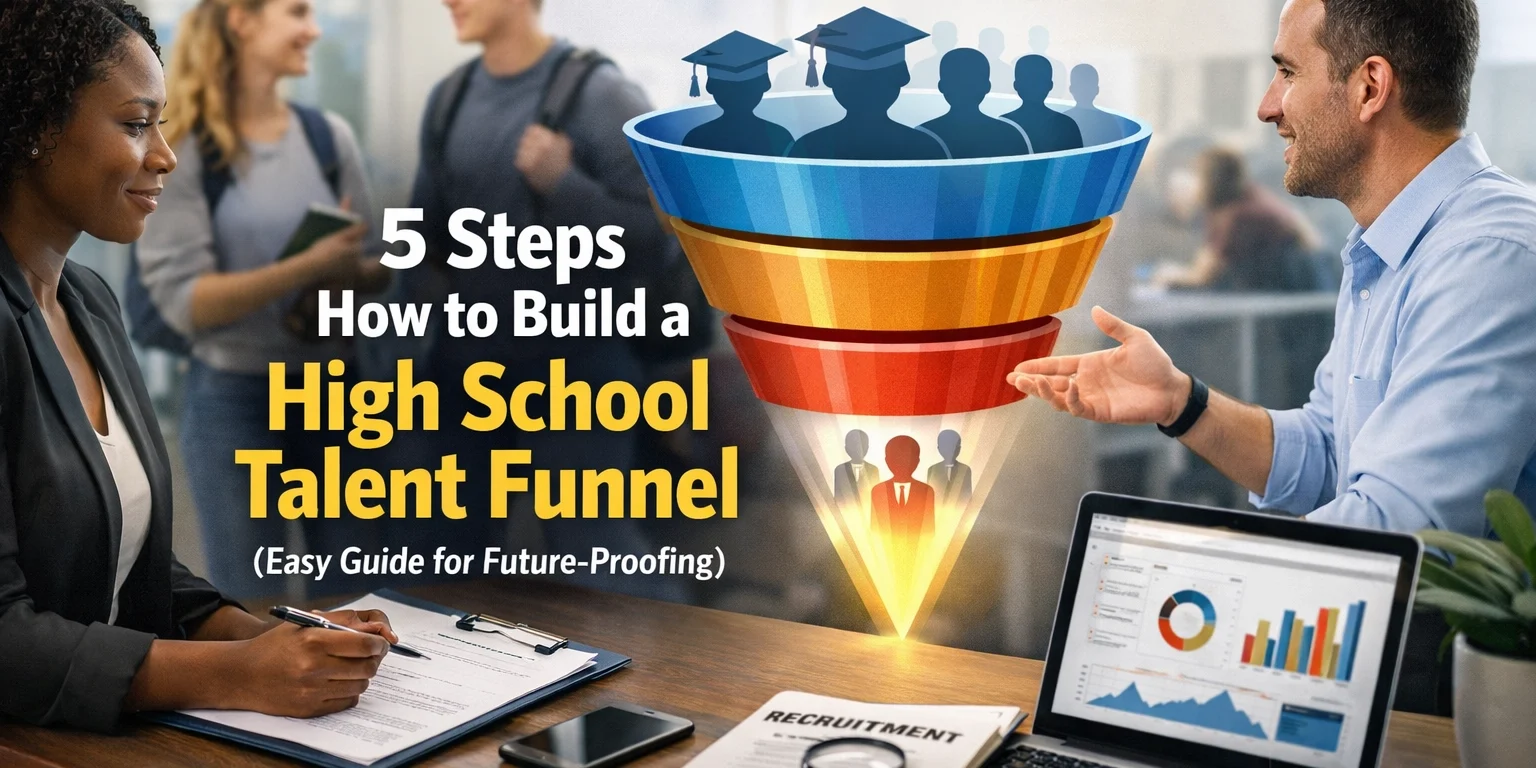
To remain competitive, forward-thinking companies are shifting their focus upstream. Building a high school talent funnel is not just a philanthropic gesture; it is a strategic business necessity. It allows companies to identify, nurture, and secure a loyal workforce years before they enter the open job market. This proactive approach ensures a steady pipeline of "funnel-grown" employees who are already integrated into your corporate culture and technical ecosystem.
The following guide outlines five practical steps to establish a resilient high school talent funnel, specifically tailored for the technical demands of the modern era.
1. Create Awareness and Inspiration
The first step in any funnel is awareness. In the context of a talent pipeline, this means introducing high school students to the possibilities of your industry before they have made definitive career choices. For many students, "The Cloud" or "AI" are abstract concepts rather than career paths. Your goal is to provide a concrete vision of what a professional life in these fields looks like.
Low-barrier touchpoints are the most effective way to start. Consider the following activities:
- Guest Speaking Engagements: Sending your lead developers or data scientists to local schools to share their daily experiences.
- Sponsoring Local Science and Tech Fairs: Providing prizes or mentorship for projects related to automation and data.
- Virtual "Day in the Life" Tours: Using digital platforms to show students the inner workings of a high-tech office.
By showing up early, you build brand recognition. When these students eventually look for internships or jobs, your company will be the first name that comes to mind. Organizations like USA Entertainment Ventures LLC often advise that simplicity in initial engagement is key to capturing student interest without overwhelming them.

2. Provide Hands-On Exploration Opportunities
Once interest is established, the next phase is exploration. Inspiration is fleeting unless it is paired with action. In 2026, students are more tech-savvy than ever, but they often lack the "industrial-grade" environment to test their skills.
Providing practical, skill-building experiences allows students to transition from passive observers to active participants. Effective programs include:
- Weekend Hackathons: Focused on solving a specific, real-world problem using AI or a provided dataset.
- Summer Boot Camps: Intensive, week-long programs that introduce the fundamentals of cloud architecture or data visualization.
- Coding Club Support: Supplying local school clubs with software licenses or cloud credits.
These programs do more than just teach; they act as a filter. They help you identify which students have the natural aptitude and the "grit" required for technical roles. By the end of an exploration phase, you should have a list of high-potential candidates who have demonstrated a genuine interest in the field.
3. Implement Skills-Based Assessment
One of the most significant shifts in recruitment over the last few years is the move away from traditional credentials. While a high GPA is commendable, it does not always correlate with the ability to manage a distributed cloud network or fine-tune an AI model. To build a robust talent funnel, you must implement assessment methods that prioritize what a student can do over what they can memorize.
Replace traditional interviews with performance-based metrics:
- Logic and Reasoning Tests: Assessing how a student approaches a complex problem.
- Mini-Projects: Asking students to clean a small dataset or write a basic script to automate a task.
- Collaborative Challenges: Observing how students work in teams to solve a technical hurdle.
This approach removes the bias inherent in traditional hiring and opens the door to diverse talent who may not have the resources to attend elite universities but possess the raw talent your company needs. Utilizing data-driven assessment platforms, such as those discussed in the ZOOmedia news sections, can help streamline this process and ensure objectivity.

4. Deploy a Hybrid Engagement Model
Scalability is a common concern for businesses looking to engage with high schools. It is impossible to be physically present in every school district. The solution is a hybrid engagement model that combines wide-reaching digital tools with high-impact personal connections.
- The Virtual Backbone: Use online modules, webinars, and remote mentorship to reach students in underserved or rural areas. This ensures your talent funnel is wide and inclusive.
- In-Person Touchpoints: For those who show the most promise, offer regional workshops or office visits. These face-to-face interactions build the emotional connection and loyalty that digital platforms cannot replicate.
A hybrid model allows your business to maintain a presence throughout the school year without requiring a massive, full-time staff dedicated solely to outreach. It creates a "community" feel, where students feel they are part of a larger movement or professional network long before they receive a paycheck.
5. Launch Practical Internships
The final and most critical step is the transition from student to intern. For the most promising individuals in your funnel, offer internships that involve real, meaningful work. In 2026, high school seniors are often capable of handling tasks that were once reserved for college juniors, provided they have the right guidance.
These internships should focus on practical contributions:
- Data Cleaning and Labeling: Essential for training AI models.
- Cloud Documentation: Helping teams maintain clear records of architecture changes.
- Basic Model Testing: Running scripts to check for errors in software updates.
By involving students in real projects, you give them a sense of ownership. They aren't just "interns"; they are contributors. This experience is invaluable for their resumes and gives your company a "test drive" of a potential future hire with minimal risk.

Measuring the Return on Investment (ROI)
Building a talent funnel is a long-term play, and like any strategic investment, it must be measured. Companies should track specific Key Performance Indicators (KPIs) to ensure the funnel is functioning correctly:
- Conversion Rate: What percentage of high school participants eventually apply for a formal internship or a junior-level role?
- Retention Rate: Data suggests that "funnel-grown" employees have significantly higher retention rates. They understand the company culture and have a sense of loyalty to the organization that gave them their first start.
- Skill Acquisition: Are the students in the funnel meeting the technical benchmarks required for entry-level roles?
The Broader Impact
Beyond the immediate business benefits, building a high school talent funnel contributes to the broader societal good. It bridges the gap between education and employment, providing clear pathways for the next generation. As AI and automation continue to reshape the economy, the responsibility falls on business leaders to ensure the workforce is prepared.
Engaging with youth through programs like those found at 360 Sports Media or other community-facing brands demonstrates a commitment to the future that resonates with customers and stakeholders alike.
Conclusion
The talent war for Cloud, AI, and Data Analytics professionals will only intensify. The companies that thrive will be those that stop competing for the same small pool of university graduates and start cultivating their own talent from the ground up.
By following these five steps: Awareness, Exploration, Assessment, Hybrid Engagement, and Practical Internships: you can build a resilient, future-proof workforce. The investment you make in a high school student today is an investment in the stability and innovation of your company tomorrow.
To learn more about how to integrate these strategies into your business consulting or outreach efforts, visit USA Entertainment Ventures LLC. The future of your workforce is in the classrooms of today; it is time to start building the bridge.





