
The landscape of sports marketing has undergone a seismic shift, evolving from static 30-second television spots to a dynamic, multi-platform ecosystem where authenticity is the primary currency. As we look toward the pinnacle of the 2026 sports calendar, it is evident that Name, Image, and Likeness (NIL) has matured from a collegiate novelty into a cornerstone of enterprise-level brand strategy. For Fortune 100 brands, the challenge is no longer whether to engage with NIL, but how to do so with the precision and scale required to dominate the "Big Game" environment.
The Super Bowl remains the most significant singular media event in the world, yet the way audiences consume it has fundamentally changed. Data from recent seasons indicates that over 70% of viewers utilize a second screen during the broadcast, engaging with real-time content on platforms like TikTok, Instagram, and X. In this context, NIL athletes are not merely endorsers; they are the architects of the digital narrative.
The Maturity of NIL in 2026
By 2026, NIL has moved beyond the "experiment" phase. According to industry analysis, enterprise brands are now treating NIL as a long-term capability rather than a one-off tactic. The shift toward a sophisticated, data-driven approach allows brands to mitigate risk while maximizing reach. USA Entertainment Ventures LLC, through its extensive network and strategic partnerships, has been at the forefront of this revolution, bridging the gap between major corporations and the 20,000+ authentic voices that define modern culture.
As highlighted in the strategic overview from Sports Media, "NIL is the bridge between your brand and the student-athletes who define culture for the next generation." This connection is vital for Fortune 100 companies seeking to maintain relevance in an increasingly fragmented media landscape.
The Three-Phase NIL Strategy for Super Bowl Success
Success at Super Bowl 2026 requires more than a high-production commercial; it necessitates a comprehensive three-phase strategy that spans months of engagement.
1. The Momentum Phase (Pre-Game)
The "Road to the Championship" begins long before the kickoff. During this phase, brands build "narrative equity" by embedding themselves into the athlete's journey. By documenting training, travel, and the emotional stakes of the playoffs, brands create a warm audience that already associates the athlete’s story with the company's values. This proactive storytelling lowers customer acquisition costs by the time the game arrives, as the brand is already a recognized part of the season's storyline.
2. The Real-Time Phase (Game Day)
On game day, the NIL roster acts as a real-time content engine. While a traditional TV buy provides massive reach, NIL provides immediate, relatable context. Athletes can react to spectacular plays or halftime performances in real-time, keeping the brand's message in the social feed while viewers are away from the television during ad breaks. This "second-screen dominance" ensures that a brand’s presence is felt throughout the entire four-hour window, regardless of whether a viewer is looking at the big screen or their phone.

3. The ROI Phase (Post-Game)
The week following the Super Bowl is often a missed opportunity for many advertisers. However, for brands utilizing a sophisticated NIL strategy, this is the primary conversion window. Post-game content: including recaps, behind-the-scenes footage, and exclusive offers with trackable links: allows brands to move from "awareness" to "action." By utilizing predictive modeling and fan sentiment analysis, companies can measure the exact return on investment (ROI) of their athlete partnerships.
Beyond the Screen: Integrated OOH and Venue Domination
While digital engagement is critical, the physical environment of the Super Bowl remains a powerful theater for brand storytelling. The integration of NIL with Out-of-Home (OOH) advertising creates a truly omni-channel experience.
Proprietary technology, such as the Sporttron digital network, now allows brands to access ribbon boards and jumbotrons across 780+ venues nationwide. When a brand pairs a high-visibility physical presence: from stadium billboards to interactive concession platforms: with the digital voice of an NIL athlete, the result is a "surround-sound" marketing effect. This physical-to-digital bridge ensures that the brand owns the environment where the fans live and play.

Strategic Talent Selection and Data-Driven Decisions
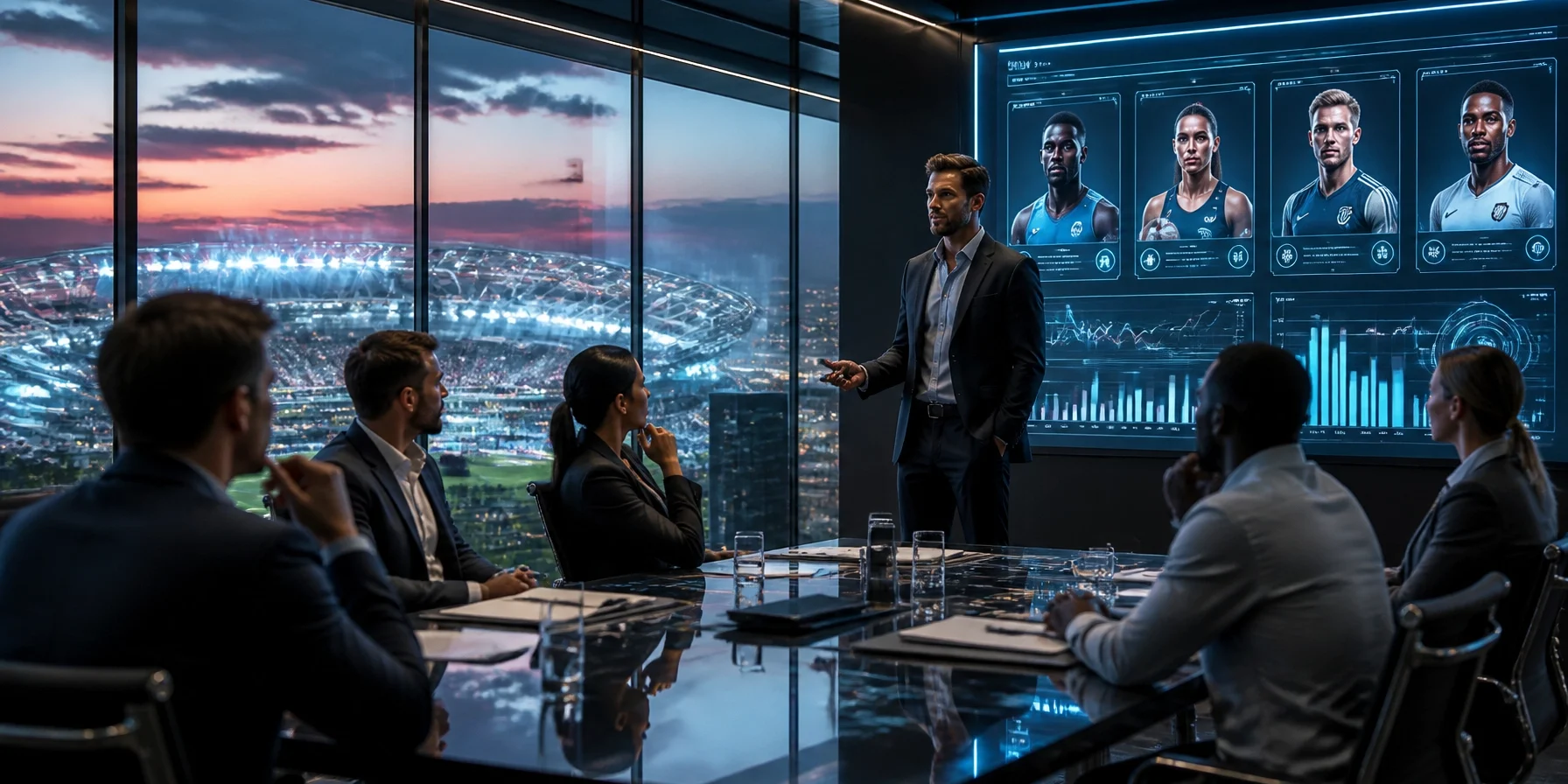
For a Fortune 100 brand, the selection of NIL talent must be as rigorous as any other procurement process. The 2026 trend focuses on "engagement depth" rather than just "follower reach." Brands are increasingly looking for athletes whose audiences align with specific demographic segments, such as youth culture for consumer goods or tech-savvy audiences for AI and fintech.
Key metrics for 2026 include:
- Audience-Brand Fit: Ensuring the athlete’s community aligns with the brand’s target segments.
- Authenticity Scores: Utilizing sentiment analysis to ensure the partnership feels organic rather than "corporate."
- Conversion Attribution: Using athlete-specific links and promo codes to tie social engagement directly to sales and leads.
The Intersection of NIL and Recruitment: The DOD SkillBridge Connection
An emerging frontier for NIL and enterprise branding is the intersection of sports marketing and talent recruitment. USA Entertainment Ventures LLC has pioneered the integration of DOD SkillBridge recruitment into the broader sports ecosystem.
For Fortune 100 companies, the Super Bowl is not just a platform to sell products; it is a platform to demonstrate values. By aligning NIL campaigns with military recruitment and professional transition programs, brands can fulfill corporate social responsibility (CSR) goals while tapping into a highly disciplined and skilled talent pool. This multifaceted approach: managing entertainment, business development, and veteran recruitment: represents the future of holistic corporate strategy.

Conclusion: Future-Proofing Your Brand for 2027 and Beyond
As we navigate the complexities of the 2026 season, the lesson for Fortune 100 brands is clear: NIL is no longer a peripheral tactic. It is a fundamental requirement for any brand that wishes to maintain a competitive edge in the most crowded media environment on the planet.
To succeed at Super Bowl 2026 and beyond, brands must move toward a model of "coordinated spontaneity." This involves building deep, data-backed relationships with athletes, integrating digital narratives with physical venue domination, and leveraging those connections to drive both commercial sales and long-term recruitment goals.
The era of the passive consumer is over. The era of the engaged fan, driven by the authentic voices of NIL athletes and supported by the managing expertise of agencies like USA Entertainment Ventures, has arrived. Now is the time to align your vision with the expertise required to dominate the arena.





