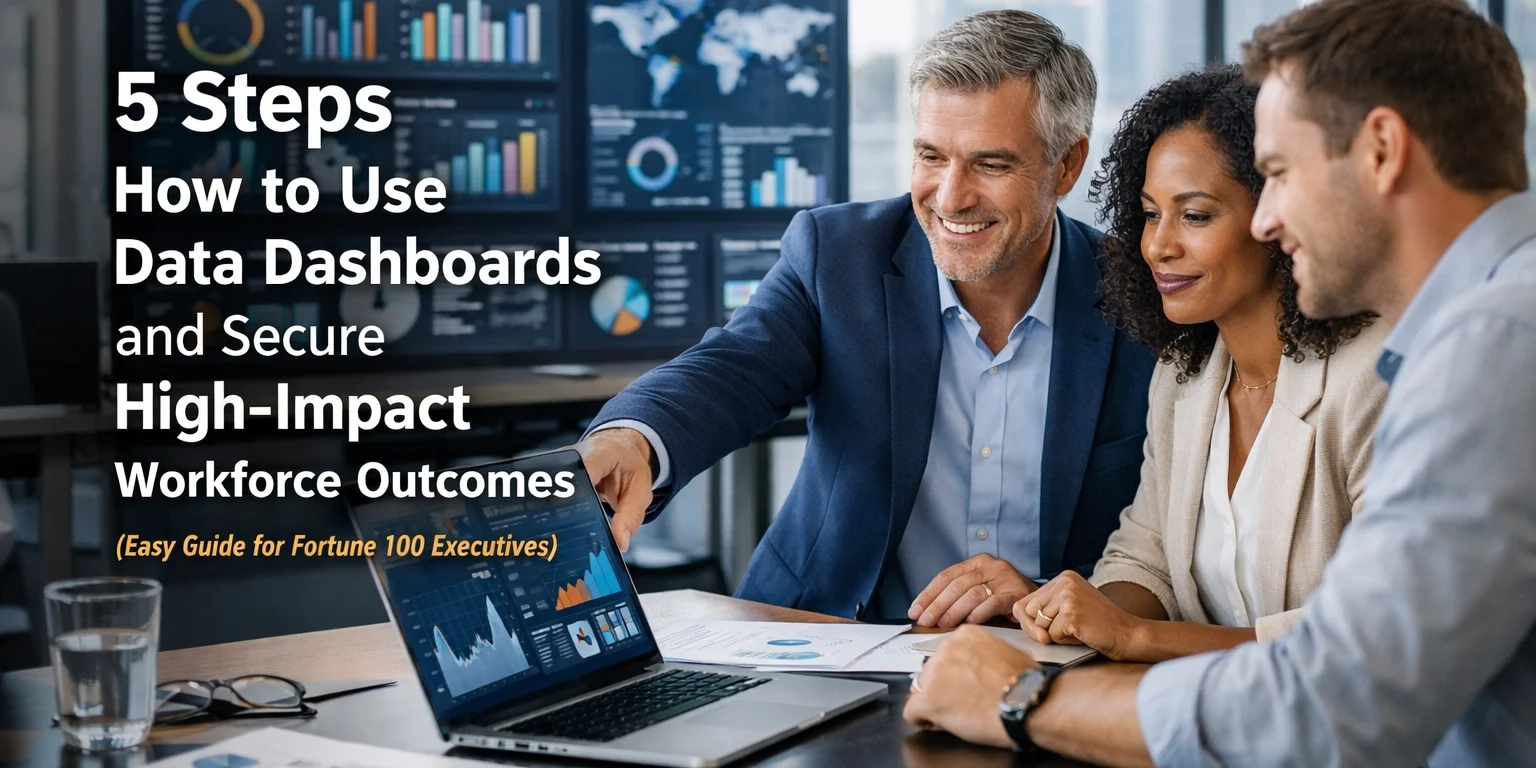
As we navigate the first quarter of 2026, the intersection of education, athletics, and corporate responsibility has reached a critical tipping point. For Fortune 100 executives, the challenge is no longer just finding talent; it is about cultivating a "Future Ready" workforce that understands the complexities of the modern media landscape. At USA Entertainment Ventures LLC, we have observed that the most successful organizations are those that leverage data not just for retrospective reporting, but as a compass for educational and workforce outcomes.
The rise of Name, Image, and Likeness (NIL) education and media literacy has shifted the goalposts for what constitutes a "prepared" hire. In today's economy, a student-athlete or a young professional is a brand unto themselves. If they are not equipped with the tools to manage that brand, they become a liability rather than an asset. This is where high-impact data dashboards become essential. They allow leadership to track the efficacy of education programs and ensure that the schools we support are truly preparing students for the demands of the 2026 workforce.
Here is a five-step guide for executives to harness data dashboards for superior workforce outcomes.
1. Define Your Workforce Priorities and Critical Questions
Before a single pixel is rendered on a dashboard, an executive must define the "North Star" metrics. In the current business consulting environment, those metrics have shifted. We are no longer just looking at GPA or graduation rates. We are looking at "Media Literacy Scores" and "NIL Financial Proficiency."
Start by asking: What are the 3-5 critical questions we need to answer about our talent pipeline? For example:
- Are the students in our "Future Ready" partner schools demonstrating an increased understanding of digital contracts?
- How does the media literacy of our incoming intern class compare to the previous year?
- Is there a direct correlation between NIL education and long-term professional retention?
By focusing on these strategic questions, you ensure that your dashboard supports decision-making rather than simply adding to the noise. At USA Entertainment Ventures LLC, we advocate for a strategy that prioritizes these forward-looking indicators of success.
2. Establish High-Impact Metrics: Media Literacy and NIL
Once the priorities are set, you must identify the specific Key Performance Indicators (KPIs) that track progress. In 2026, traditional KPIs are being supplemented by "New Economy" metrics.
For a Fortune 100 executive, a workforce dashboard should include:
- Media Literacy Competency: A measure of how well individuals can discern credible information from AI-generated misinformation.
- NIL Educational Milestones: Tracking the completion of modules related to brand management, tax implications, and personal marketing.
- Workforce Readiness Index: A composite score that combines technical skill with the "soft skills" of media engagement.
Grouping these metrics at the top of your dashboard provides immediate visibility into the health of your future talent pool. When we look at initiatives like Zoomedia, the goal is to see tangible growth in how participants navigate the digital world.

3. Integrate Fragmented Data Sources
The most significant hurdle for any executive is data fragmentation. Your workforce data likely lives in silos: HR systems, educational platforms, athletic department databases, and external media monitoring tools. To secure high-impact outcomes, these sources must be integrated into a single pane of glass.
Your dashboard needs to connect:
- Educational Platforms: Data from NIL curriculum providers.
- Performance Systems: Metrics from school-based "Future Ready" programs.
- External Benchmarks: Industry standards for media literacy and digital safety.
Automated integration is non-negotiable. Manual data entry is prone to error and quickly becomes outdated. By using integrated data sources, you can see a holistic view of the student-to-employee journey. Our work with 360 Sports Media emphasizes the need for this connectivity, ensuring that sports-related data is translated into professional insights.
4. Design for Executive Clarity and Simplicity
Complexity is the enemy of execution. An executive dashboard should not look like a cockpit for an aerospace engineer; it should look like a strategic map. The most important metrics: such as the percentage of "Future Ready" certified students: should be "above the fold."
Use visual cues that allow for rapid scanning:
- Trend Indicators: Are media literacy rates up or down 5% this quarter?
- Heat Maps: Which geographic regions or schools are producing the most media-literate talent?
- Simplified Graphics: Avoid cluttered pie charts. Use clean bar graphs and progress rings.
The goal is simplicity. If an executive cannot understand the status of their workforce initiative within 30 seconds of looking at the dashboard, the tool has failed. We believe in the "simple" brand tone: clear communication leads to faster, better decisions.

5. Deploy, Train, and Iterate the Review Cycle
A dashboard is a living tool, not a static monument. Once the prototype is built, it requires a feedback loop. Fortune 100 leaders should implement a quarterly review cycle to ensure the dashboard remains aligned with the evolving media landscape.
Key steps for successful deployment:
- Executive Training: A brief session on how to use drill-down features to see which specific educational modules are driving the most impact.
- Quarterly Alignment: As NIL regulations or media trends change, the KPIs must change with them.
- Active Buy-in: Engagement from the CEO and C-suite ensures that the data actually drives behavioral change within the organization.
For instance, if the data shows a lag in media literacy among students in a specific district, a company can pivot its resources to provide more targeted support through Zoomedia News or similar educational anchors.

Positioning as an Anchor for 'Future Ready' Schools
At USA Entertainment Ventures LLC, led by Dan Kost, we see our role as more than just consultants. We are an anchor for schools that want to be "Future Ready." By providing the framework for media literacy and NIL education, we help schools bridge the gap between the classroom and the Fortune 100 boardroom.
When an executive uses a dashboard to track these outcomes, they aren't just looking at numbers; they are looking at the future of their company. A student who understands their personal brand and the ethics of media is a student who will eventually lead a department with integrity and skill.
The Societal Impact of Data-Driven Education
The move toward media literacy is not just a business necessity; it is a societal imperative. In a world where information moves at the speed of thought, the ability to analyze and verify content is a fundamental workforce skill. By tracking these outcomes through sophisticated dashboards, corporations take on a mantle of responsibility, ensuring that the next generation is not just employed, but empowered.
This "Future Ready" approach ensures that schools are not operating in a vacuum. Instead, they are aligned with the actual needs of the 2026 economy. Whether it is through Sports Media initiatives or general business consulting, the focus remains on measurable, high-impact growth.
Summary of Actionable Takeaways
To secure the workforce outcomes your organization needs, consider these immediate steps:
- Audit your current dashboard: Does it track "Future Ready" skills like media literacy and NIL proficiency?
- Partner with educational anchors: Work with organizations like USA Entertainment Ventures LLC to implement standardized curriculum in partner schools.
- Focus on the "Why": Ensure every metric on your dashboard ties back to a strategic workforce goal.
The future of workforce development is data-driven, media-literate, and brand-aware. By following these five steps, Fortune 100 executives can move beyond guesswork and start building a pipeline of talent that is truly ready for what comes next.
For more information on how we are helping schools and corporations align for the future, visit usaentertainmentventures.com and explore our various divisions dedicated to media, sports, and business excellence.