
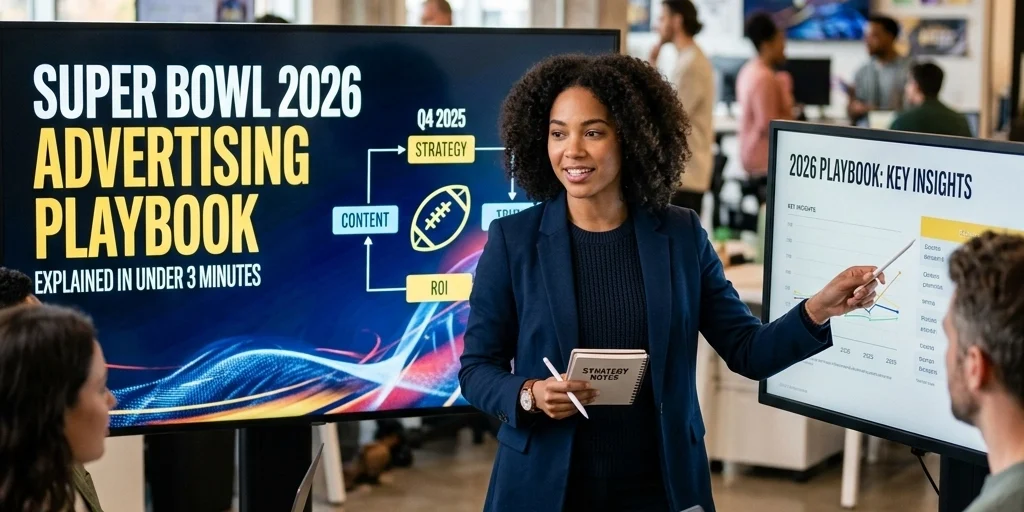
As we move further into 2026, the landscape of sports marketing has undergone a radical transformation. The days when a single, high-priced television commercial could define a brand's success for the year are gone. Today, Super Bowl advertising is less of a "moment" and more of a "system." At USA Entertainment Ventures LLC, we have monitored these shifts closely, observing how the most successful brands have moved away from traditional broadcasting models toward integrated, AI-driven experiences.
The Super Bowl remains the ultimate stage for American consumerism and entertainment. However, the "playbook" for winning this stage has changed. It is no longer just about the creative spark of a 30-second spot; it is about the data-driven architecture that surrounds it. This article breaks down the 2026 strategy into its core components, offering a deep dive into why these methods are now the gold standard for business consulting and brand growth.
The 3-Minute Summary: The New Standard
If you only have three minutes, here is the core of the Super Bowl 2026 playbook. Success in this era is defined by three pillars: Omnichannel Integration, AI-Driven Personalization, and Second-Screen Dominance.
Brands are no longer spending $7 million for a standalone ad. Instead, that investment serves as the anchor for a multi-week campaign that starts in January and resonates through March. By utilizing virtual signage within the game itself and syncing television broadcasts with real-time mobile interactions, advertisers are achieving a level of "surround sound" marketing that was previously impossible.
Watch: Sports Media's Advertising Strategy
For a visual breakdown of how these strategies are being implemented across the league, watch our featured newsletter video below:
https://www.youtube.com/watch?v=l6J-0zileKE
1. Beyond the $7 Million Spot: The Omnichannel Experience
In 2026, the traditional 30-second television spot has evolved into a "full-funnel" centerpiece. While the prestige of the "Big Game" commercial remains, its primary function is now to drive traffic to digital ecosystems.
The Campaign Timeline
Modern winning brands follow a strict three-phase timeline:
- The Pre-Game Build-up: Utilizing direct mail, teaser trailers on social media, and PR "leaks" to generate conversation weeks before kickoff.
- The In-Game Moment: The TV spot acts as the high-impact "shout," while second-screen engagements (like AR filters or live betting integrations) act as the "conversation."
- The Afterglow: Post-game retargeting through email and music platforms ensures the brand stays top-of-mind long after the final whistle.
As a business consulting firm, USA Entertainment Ventures LLC emphasizes that this approach maximizes ROI by extending the life of a single asset. You are not just buying airtime; you are buying a seat at the table of culture.

2. AI and Data: The Digital Offensive
Artificial Intelligence is the "quarterback" of the 2026 advertising strategy. We have moved past broad demographics like "Males 18-49." Today’s campaigns use predictive analytics to understand exactly when and where a consumer is most likely to engage.
Real-Time Tracking and Sentiment
Tools like iSpot-style dashboards now allow brands to track "emotional resonance" in real time. If an ad isn't landing with a specific audience segment during the first quarter, AI can adjust the digital creative for the second half to pivot the messaging.
Furthermore, AI-driven personalization allows ads to follow fans across contextual environments. If you are browsing a fantasy football forum or a recipe blog for "game day wings," the Super Bowl campaign is already there, subtly reinforcing the message seen on the TV screen. This level of precision ensures that no marketing dollar is wasted on uninterested parties.
3. The Stadium is Now Digital Real Estate
By 2026, the physical stadium is only a fraction of the available ad space. The integration of AI-rendered virtual signage has changed how we perceive the field of play.
Virtual Signage and Dynamic Inventory
Field-level ads, sideline backdrops, and even certain elements of the players’ gear can now be digitally altered based on the viewer’s location or preferences. This means a viewer in New York might see a different brand on the stadium turf than a viewer in Los Angeles, even though they are watching the same live feed.

These integrations feel less intrusive because they are part of the game environment. They do not require a "hard break" in the action, allowing brands to stay in front of the consumer during the most intense moments of the game. For companies looking to scale their reach, our Showcase demonstrates how we integrate these types of high-tech solutions into broader business strategies.
4. The Second Screen: The First Priority
It is a well-documented fact in 2026 that the vast majority of fans watch the Super Bowl with a smartphone in their hand. Therefore, the "second screen" is no longer secondary; it is the primary venue for conversion.
Interactive Engagement
Winning brands in 2026 launch live polls, AR (Augmented Reality) filters, and exclusive promo codes the exact second their TV spot airs. This creates an immediate feedback loop. Instead of hoping a consumer remembers a brand the next day, advertisers are moving them directly into the sales funnel while the excitement of the game is at its peak.
This strategy requires agility. Content that is too "overproduced" or feels out of touch with the live conversation is often ignored. The 2026 playbook prioritizes being "timely over polished."

5. Long-Tail ROI: The Post-Game "Afterglow"
The goal of a Super Bowl campaign is to turn 30 seconds into weeks of impact. This is achieved through aggressive post-game retargeting and content extensions.
The Value of the Afterglow
Once the game ends, the data collected during the broadcast becomes a goldmine. Smart brands use "behind-the-scenes" footage, extended cuts of their commercials, and targeted offers to ride the wave of the "Bowl afterglow." This phase is where the actual Return on Investment (ROI) often lives. By converting a casual viewer into a social media follower or an email subscriber, the brand secures a long-term relationship that far outlasts the game itself.
If your business is struggling to find this long-term resonance, we invite you to contact us to discuss how a structured advertising playbook can be tailored to your specific goals.
6. Culture and Inclusion: The Broadened Scope
Finally, the 2026 playbook is defined by cultural resonance. The Super Bowl is no longer just a domestic event; it is a global cultural phenomenon.
Multicultural and Niche Integration
Brands are leaning heavily into multicultural and multilingual content. We are seeing niche brands (like Manscaped in previous years) use this stage to jump into the mainstream by focusing on humor and music that transcends linguistic barriers. By appealing to a broader, more diverse audience, brands can tap into new markets that were previously underrepresented in sports media.

Strategic Takeaways for Your Business
Whether you are a Fortune 500 company or a growing enterprise, the lessons from the 2026 Super Bowl Advertising Playbook are clear and actionable:
- Don't Build Silos: Ensure your television, social media, and email marketing are all "talking" to each other.
- Invest in Data: Use AI and analytics to understand your audience’s behavior in real time.
- Prioritize Interaction: Give your customers something to do with their phones while they interact with your brand.
- Think Long-Term: Plan for the month after the campaign just as much as the day of the campaign.
At USA Entertainment Ventures LLC, we believe that the future of business consulting lies in the intersection of technology and storytelling. The 2026 Super Bowl has proven that when these two forces are combined, the potential for brand growth is limitless.
The future of advertising is not louder; it is smarter. As the stadium lights dim on another successful season, the brands that followed this playbook are already seeing the dividends of their strategic planning. Are you ready to draft your own winning playbook? The opportunity is there for those willing to embrace the new rules of the game.





