
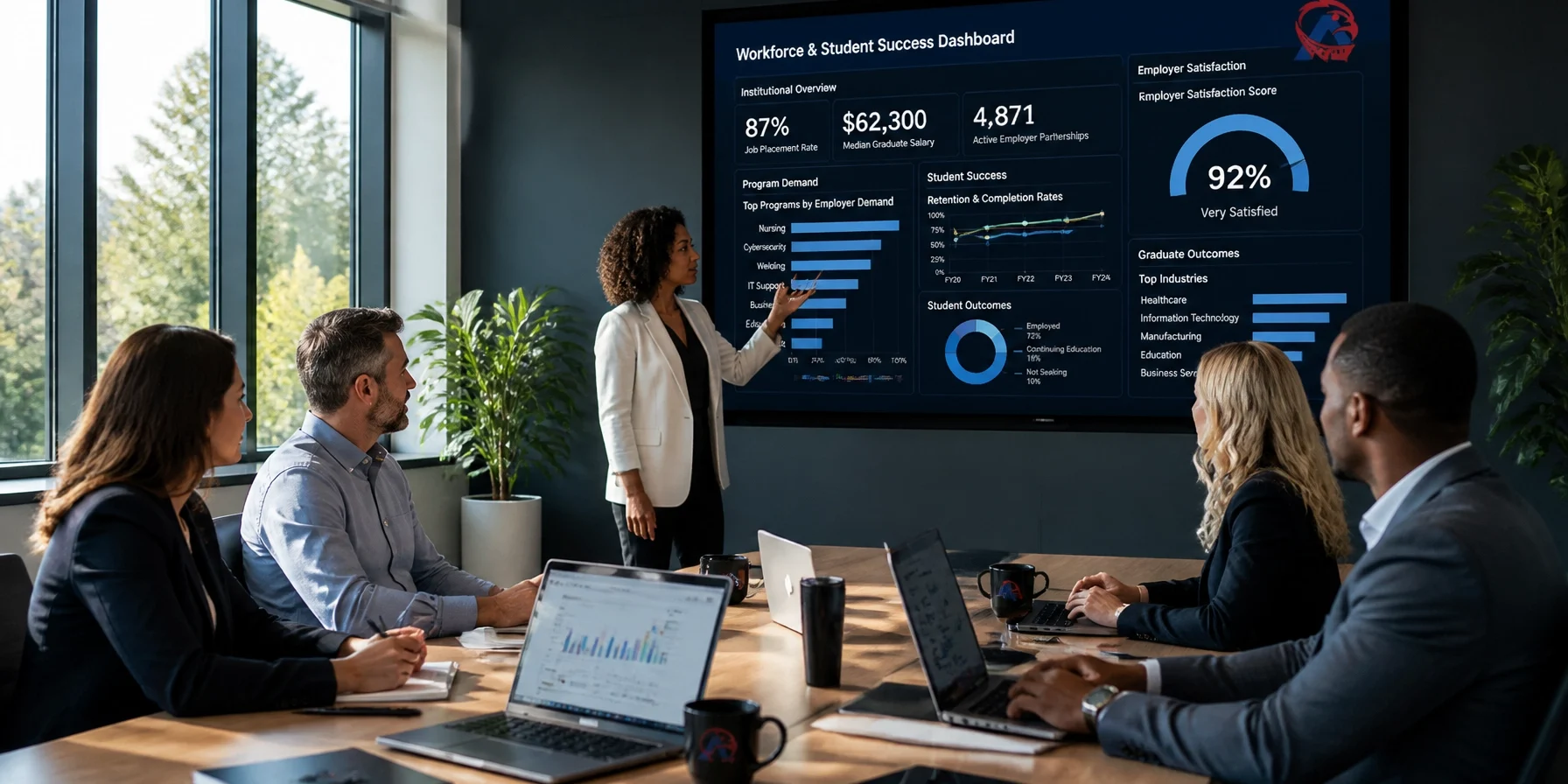
In the rapidly evolving landscape of 2026, educational institutions and organizations are no longer just repositories of knowledge; they are the engines of economic readiness. The shift toward "Future Ready" schools has moved from a theoretical concept to a critical operational requirement. Central to this transformation is the effective use of workforce data.
However, many institutions find themselves data-rich but insight-poor. As noted by industry experts at USA Entertainment Ventures LLC, the difference between a school that simply functions and one that excels lies in how they navigate the complexities of data analytics. From managing the burgeoning world of NIL (Name, Image, Likeness) education to ensuring comprehensive media literacy, the stakes have never been higher.
Here are seven common mistakes currently being made with workforce and student data, along with the strategic shifts necessary to fix them.
1. The "Rearview Mirror" Trap: Relying Solely on Lagging Metrics
Many executives and district leaders fall into the habit of reviewing data that tells them where they were, rather than where they are going. Traditional dashboards often focus on historical headcount, past graduation rates, or last quarter’s budget expenditures. While these are necessary for compliance, they are insufficient for strategic growth.
The Fix: Adopt Predictive Analytics Dashboards
To become truly future-ready, institutions must transition to leading indicators. This includes forecasting future staffing needs based on local labor market trends and predicting student outcomes by analyzing early engagement signals. Predictive dashboards allow leaders to see "around the corner," identifying potential faculty shortages or shifts in student interest in digital media careers before they become crises.
2. Ignoring the Media Literacy Skill Gap
In an era dominated by rapid information cycles and sophisticated digital platforms, media literacy is no longer an elective: it is a foundational workforce skill. A common mistake is treating media literacy as a soft skill that doesn’t require rigorous tracking. Without data on media literacy outcomes, institutions cannot quantify how prepared their students and staff are to navigate misinformation or manage digital reputations.

The Fix: Standardize and Track Media Literacy Outcomes
Incorporate media literacy metrics into your primary workforce data streams. By assessing and tracking these competencies, schools can demonstrate tangible progress in creating "Future Ready" graduates. This data is invaluable for showing stakeholders that students possess the critical thinking skills required by modern employers.
3. Reactive NIL Management as a Data Afterthought
The advent of Name, Image, Likeness (NIL) has revolutionized campus athletics. However, many schools still treat NIL as a compliance hurdle or a paperwork-heavy administrative task. When NIL education and participation data are not integrated into the broader institutional data model, schools miss a vital opportunity to support student-athlete success.
The Fix: Integrate NIL Data into the Holistic Student Profile
NIL should be viewed through the lens of career development and financial literacy. By tracking NIL engagement alongside academic performance and financial education participation, institutions can provide a 360-degree view of student-athlete wellness. As USA Entertainment Ventures LLC emphasizes in their management strategies, this data-driven approach ensures that NIL becomes a tool for long-term empowerment rather than a short-term distraction.

4. Operating in Information Silos
Data silos remain one of the most significant barriers to institutional efficiency. When HR data, athletic performance metrics, academic records, and financial reports are housed in separate systems that do not communicate, leaders receive a fragmented view of reality. This lack of integration often leads to redundant efforts and missed opportunities for cross-departmental collaboration.
The Fix: Unified Data Ecosystems
The solution lies in creating a centralized data warehouse or a unified dashboard that pulls from all departments. For a school to be "Future Ready," a district leader needs to be able to see how a professional development initiative in media literacy (HR data) correlates with improved student outcomes (Academic data) and better branding opportunities for student-athletes (NIL data).
5. Compromising on Data Quality and Standardization
Even the most advanced AI-driven dashboard is only as good as the data fed into it. Many organizations suffer from "dirty data": inconsistent naming conventions, duplicated records, or outdated information. When data is not standardized across the institution, analytics become unreliable, and executive decision-making suffers.
The Fix: Implement Robust Data Governance
Establishing clear data standards is essential. This includes defining exactly what a "Future Ready" metric looks like and ensuring that every department uses the same definitions. Regular data audits and the appointment of data stewards can ensure that the information driving your dashboards is accurate, timely, and actionable.
6. Underestimating the Importance of User-Centric Dashboard Design
A dashboard that is too complex will not be used; a dashboard that is too simple will not provide value. A frequent mistake is building analytics tools that reflect the technical capabilities of the IT department rather than the practical needs of the executive team or the school board.

The Fix: Design for Executive Decision-Making
Dashboards should be built with the end-user in mind. For school leaders, this means high-level visualizations that highlight trends and anomalies, with the ability to "drill down" into specific data points when necessary. The goal is to move from data visualization to data storytelling, where the dashboard clearly points toward necessary actions.
7. Disconnecting Data from Actionable Career Pathways
The final and perhaps most critical mistake is failing to connect workforce data to the ultimate goal: successful career transitions. For many, this includes the transition from education to the workforce or from military service to civilian careers through programs like the DOD SkillBridge recruitment.
The Fix: Bridging the Gap to Industry
Data should be used to map student and staff skills directly to industry requirements. By utilizing workforce analytics to identify gaps, institutions can tailor their curriculum and training programs: such as those involving NIL education and media literacy: to meet the specific needs of modern employers and military transition programs. This creates a clear, data-backed pathway from the classroom to a sustainable career.

Moving Forward: The Future-Ready Vision
The journey toward becoming a "Future Ready" institution is not a one-time project, but a continuous commitment to data excellence. By avoiding these seven common mistakes, leaders can ensure that their workforce data serves as a powerful catalyst for growth, equity, and success.
As we look toward the future, the integration of data analytics, specialized education like NIL literacy, and foundational skills like media literacy will define the leaders in the educational space. By making these strategic fixes today, you are not just managing data: you are building a legacy of readiness for the generations to come.
For more information on how to optimize your institutional management and workforce strategies, explore the services offered by USA Entertainment Ventures LLC.





