The Super Bowl represents the single most-watched advertising event in American media, commanding premium pricing and unprecedented audience attention. For 2026, the advertising landscape has evolved beyond traditional 30-second spots into a comprehensive, multi-platform strategy that extends weeks before and after the game itself. Understanding these strategic shifts is essential for marketers and business consultants seeking to maximize return on investment during this critical cultural moment.
Analysis of successful campaigns reveals seven distinct approaches that separate winning strategies from expensive missed opportunities. These moves reflect fundamental changes in how audiences consume content, engage with brands, and share experiences across digital platforms.
1. Embrace Risk and Cultivate Divisive Reactions
Jeff Gillette, an assistant teaching professor of advertising who created Coca-Cola spots for six Super Bowls, emphasizes a counterintuitive truth: playing it safe at the Super Bowl guarantees failure. According to Gillette, the most successful approach is to aim for divisive reactions: when audiences are actively discussing your brand, whether through praise or criticism, the campaign has succeeded.
"Super Bowl commercials work best when they're either funny or pull on your emotional heart strings," Gillette notes, stressing that focus should remain on communicating brand emotion rather than selling products. This strategic choice recognizes that with advertising slots commanding multi-million dollar investments, lukewarm reception represents wasted capital. The goal is conversation, not universal approval.

Research into social media engagement patterns confirms this principle. Advertisements that generate polarizing responses achieve significantly higher share rates and sustained conversation compared to those designed for broad appeal. The metric that matters is not whether every viewer liked the ad, but whether it became part of the cultural conversation.
2. Leverage Social Media for Real-Time Engagement
The second game-changing move involves recognizing that the Super Bowl now exists as a dual-screen experience. Viewers actively react to plays, share memes, and comment on commercials while the game unfolds. This behavior creates unprecedented opportunities for brands willing to engage in real-time.
The strongest social campaigns demonstrate timeliness and relevance. Short-form creatives with simple messaging consistently outperform elaborate productions when deployed during live moments. Speed matters more than polish: if content feels disconnected from the moment, users scroll past immediately.
For deeper insights into how sports media advertising strategies are evolving for real-time engagement, watch this expert breakdown:
https://www.youtube.com/watch?v=l6J-0zileKE
This shift requires preparation. Successful campaigns develop flexible creative assets and establish rapid approval processes that allow teams to respond to game developments within minutes rather than days. The brands that win are those prepared to capitalize on unexpected moments, turning viral plays or controversial calls into branded content opportunities.
3. Deploy Alternative Keywords and Non-Traditional Phrases
The third strategic move addresses a fundamental challenge: competition for "Super Bowl 2026" as a keyword has become prohibitively expensive and saturated. Smart advertisers are targeting alternative phrases that carry identical search intent while avoiding impossible competition.
Terms like "The Big Game" and "Game Day Sunday" generate massive search volume from users seeking the same content without the inflated costs associated with official terminology. This approach requires understanding search behavior patterns and recognizing that users express identical intent through varied language.
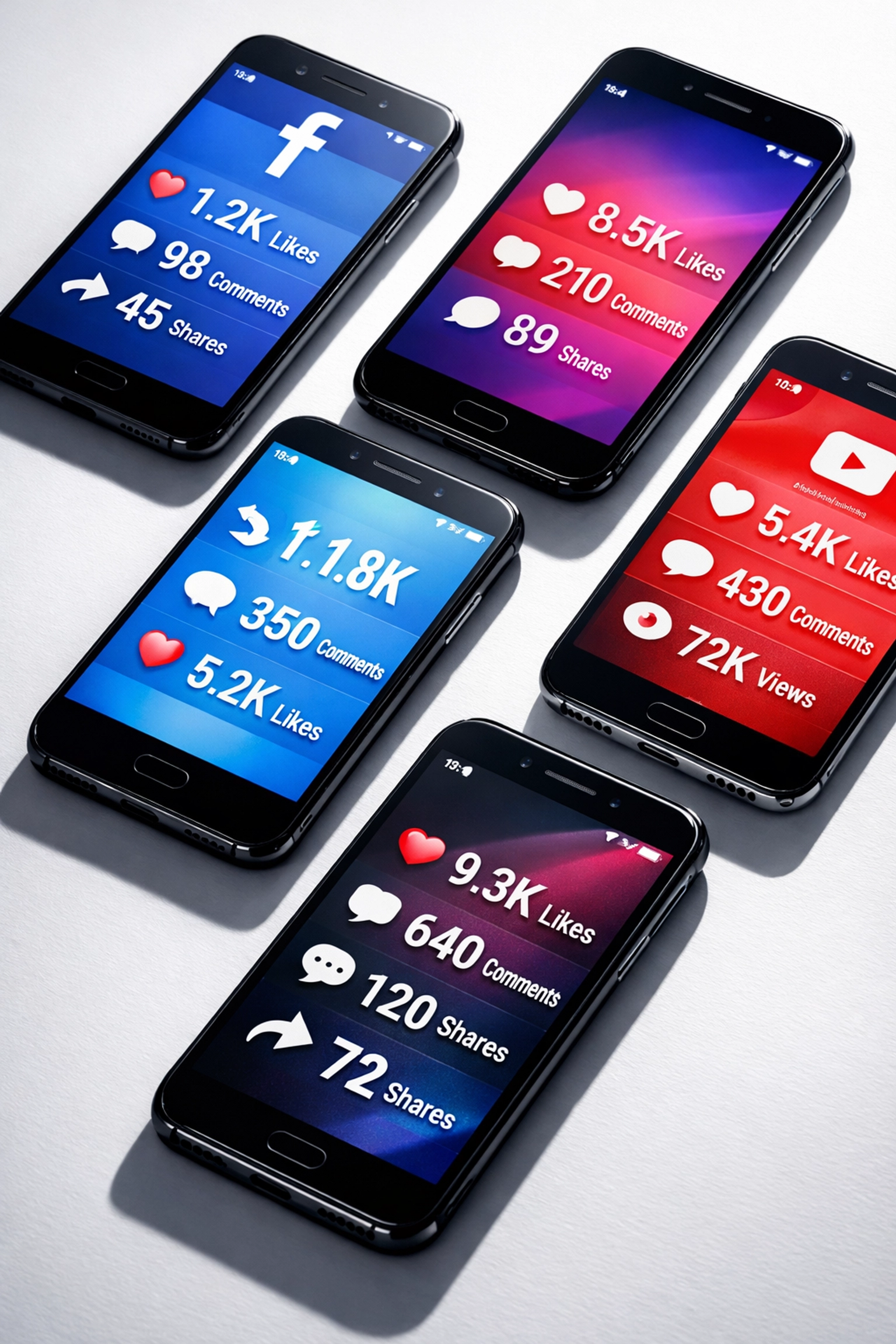
Data analysis reveals that these alternative phrases collectively generate search volume comparable to official terms while costing significantly less per impression. This efficiency allows budget reallocation toward additional channels or extended campaign duration, maximizing overall reach without increasing spending.
4. Start Early with Themed Creatives
The fourth game-changing approach involves recognizing that Super Bowl season, not just game day, represents the opportunity window. With enormous search volume building weeks in advance, campaigns that begin immediately with franchise colors, logos, and player imagery capitalize on sustained interest.
Social media conversation about the Super Bowl begins the moment championship teams are determined. Brands that join this conversation early create momentum rather than attempting to break through crowded channels on game day itself. This extended timeline also allows for iterative testing: early creative deployment provides performance data that informs final game day strategy.
The most sophisticated campaigns develop content calendars that span from championship Sunday through the week following the Super Bowl, ensuring consistent presence throughout the entire cultural moment. This sustained engagement builds familiarity that makes game day advertising more effective.
5. Deploy Alternative Ad Formats Beyond Traditional Spots
The fifth strategic move involves diversifying beyond expensive traditional commercial slots into performance-driven formats. Pop-under, in-page push, and interstitial ads allow advertisers to maintain flexibility without committing to single high-risk placements.
Pop-under formats prove particularly effective during live games, loading in the background while users navigate between content during commercial breaks and halftime. This approach recognizes that viewers actively consume multiple content streams simultaneously, creating opportunities for brand exposure that complement rather than replace traditional advertising.
These alternative formats also provide granular performance data unavailable with traditional broadcast spots. Real-time analytics allow campaign optimization during the event itself, shifting budget toward highest-performing placements as the game unfolds.
6. Create Live Content and Dedicated Experience Pages
The sixth game-changing approach involves building dedicated live pages for commercial trackers, halftime updates, and scores. This strategy captures sustained engagement throughout the event rather than relying solely on brief advertising moments.
Live content creates reasons for audiences to return repeatedly, increasing total brand exposure time. When executed effectively, these pages become destinations rather than interruptions: users actively seek them out for information and entertainment. This shift from push to pull marketing fundamentally changes the relationship between brand and consumer.
Coca-Cola's interactive 2012 polar bears livestream demonstrated this principle's power: 9 million people engaged for an average of 28 minutes without any direct sales pitch. The brand created a memorable experience that generated far more value than equivalent spending on traditional spots would have delivered.
7. Prioritize Brand Experience Over Hard Selling
The seventh and perhaps most important strategic move involves recognizing that Super Bowl advertising succeeds when it prioritizes brand experience over product promotion. Top-performing 2026 Super Bowl ads from brands like Lay's and Michelob ULTRA succeed by combining strong brand recognition with emotional storytelling rather than feature lists or pricing information.
This approach acknowledges that Super Bowl viewers are not in purchase mode: they are in entertainment mode. Advertising that respects this context by entertaining rather than selling creates positive brand associations that influence purchase decisions in subsequent weeks and months.
The measurement challenge becomes assessing long-term brand lift rather than immediate conversion, requiring patience and sophisticated attribution modeling. However, brands consistently investing in this approach demonstrate sustained market share gains that justify the investment.
The Strategic Imperative
These seven game-changing moves represent fundamental shifts in how successful brands approach Super Bowl advertising. The common thread connecting them is recognition that the event has evolved from a single broadcast moment into an extended, multi-platform cultural experience.
For business consultants advising clients on Super Bowl strategy, these insights provide a framework for evaluation and planning. The question is not whether to advertise during the Super Bowl: it remains an unparalleled opportunity for brand building: but how to deploy resources across this expanded landscape for maximum impact.
The brands that will dominate Super Bowl conversation in coming years are those willing to embrace risk, engage authentically across platforms, and prioritize experience over transaction. As media consumption patterns continue fragmenting, the Super Bowl represents one of the few remaining opportunities to reach mass audiences. Strategic sophistication in approaching that opportunity will increasingly separate market leaders from those left behind.
For organizations considering Super Bowl investment, whether as direct advertisers or advisors to brands making those decisions, understanding these seven moves provides essential context for strategic planning. The playbook has evolved( success requires evolving with it.)