
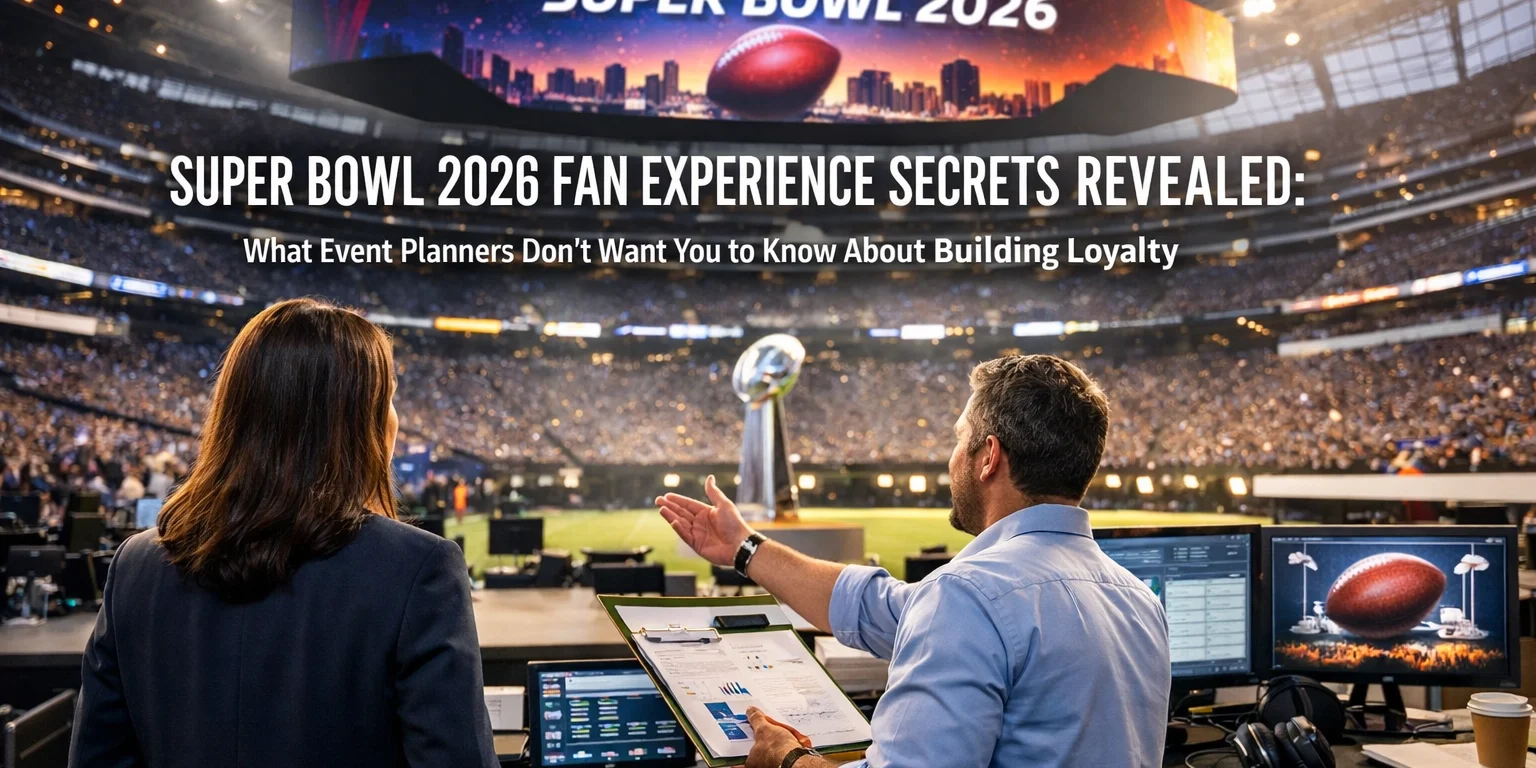
Let's be real: creating fan loyalty isn't rocket science, but it does require understanding what makes people feel connected to an experience. The Super Bowl Experience that wrapped up at San Francisco's Moscone Center on February 7, 2026, offered a masterclass in tangible fan engagement that every event planner should study. While nothing here is truly "secret," the implementation strategies reveal important truths about building lasting connections with audiences.
The Power of Tangible Interactions
https://www.youtube.com/watch?v=l6J-0zileKE
The foundation of fan loyalty rests on one undeniable principle: people remember what they can touch, do, and experience firsthand. Digital engagement has its place, but nothing replaces the emotional impact of physical interaction. The Super Bowl Experience demonstrated this through carefully designed touchpoints that transformed passive spectators into active participants.
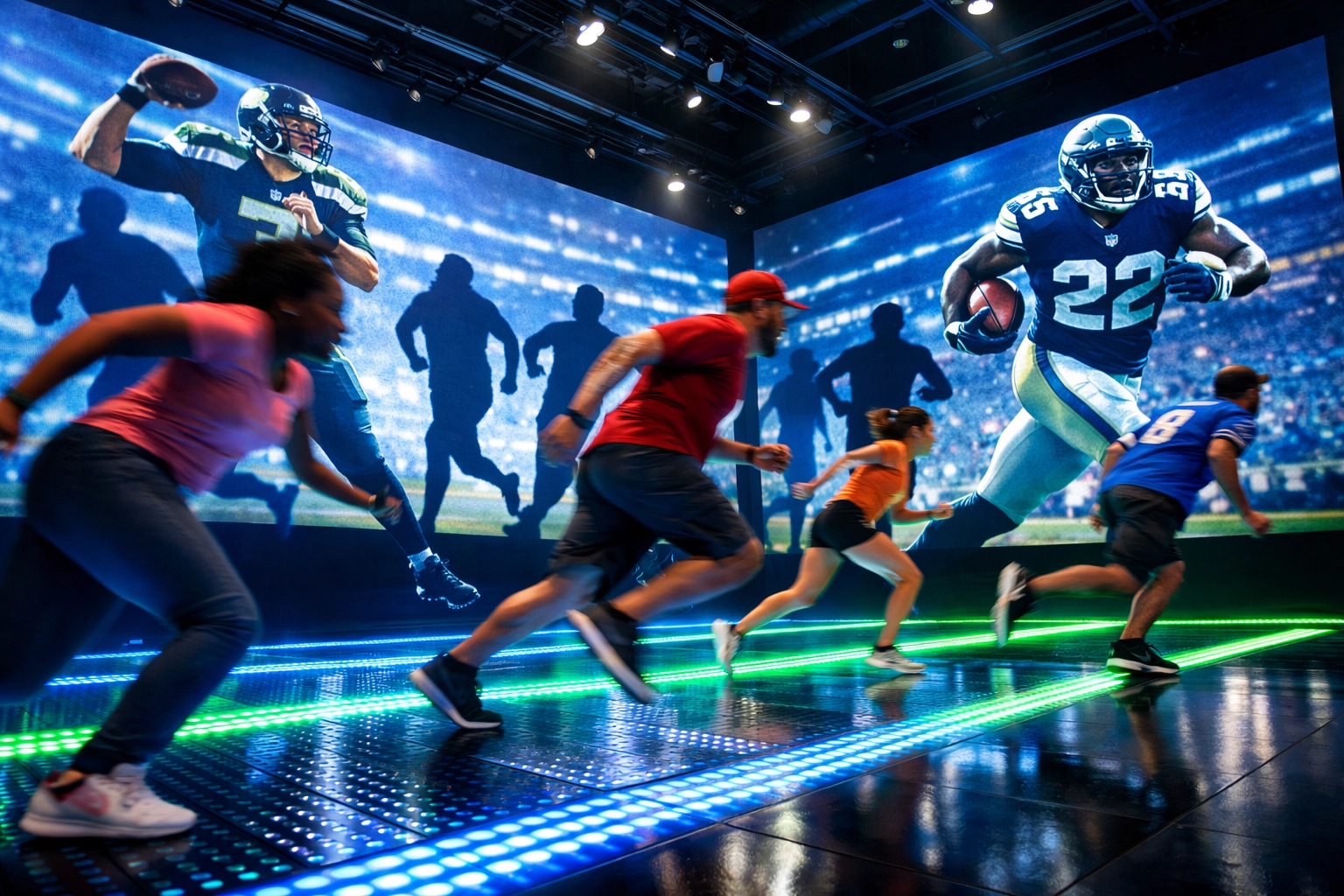
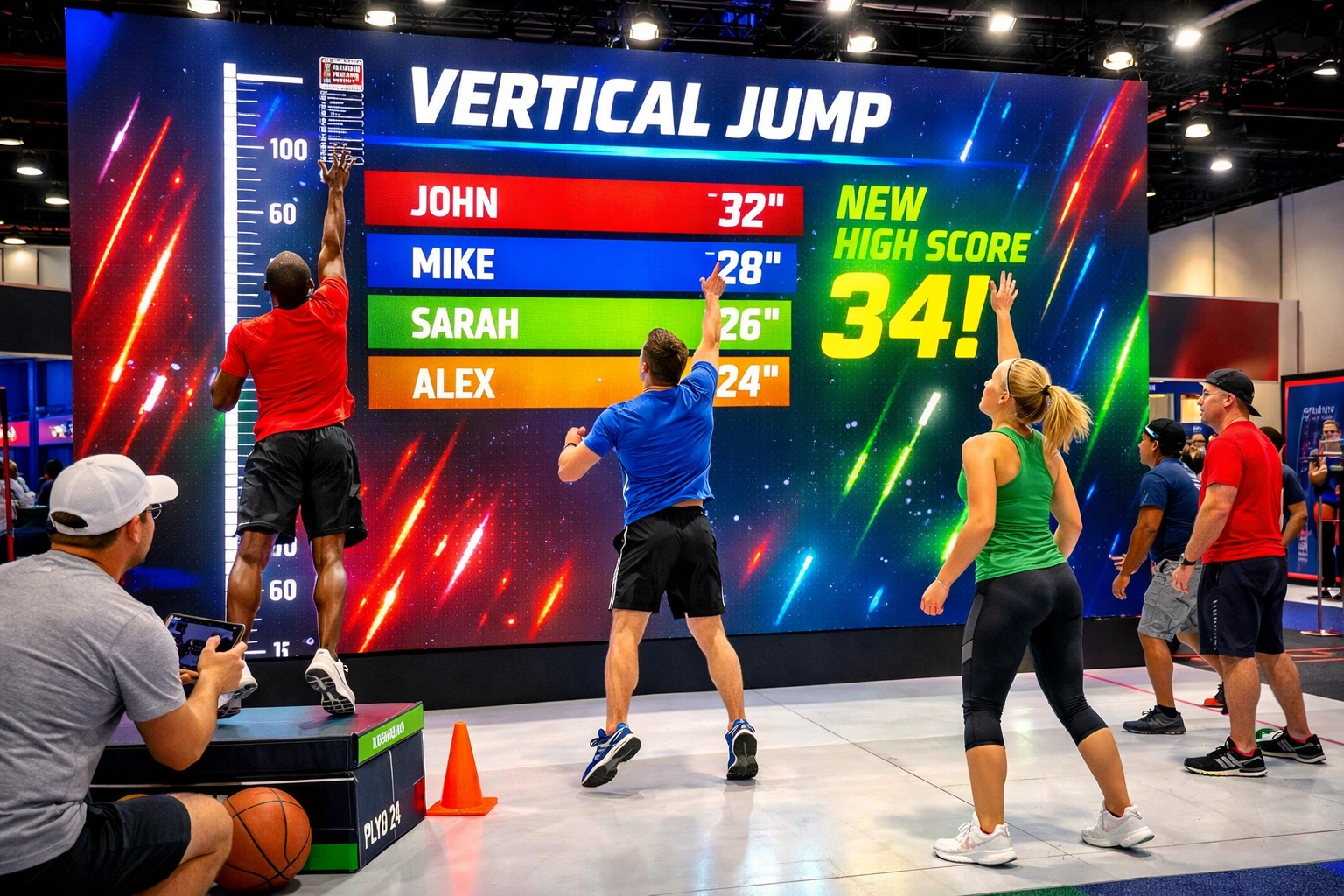
From February 3-7, the five-day event at Moscone Center featured over 40 interactive football activities. Fans raced against virtual NFL players on massive LED screens during 40-yard dash competitions, navigated obstacle courses designed to mimic professional training regimens, and tested their vertical jumps against NFL combine standards. These weren't just games: they were opportunities for attendees to step into the shoes of their heroes, creating personal connections that transcend traditional marketing.
Building Loyalty Through Accessibility and Exclusivity
The most effective loyalty-building strategies balance two seemingly contradictory elements: accessibility and exclusivity. Super Bowl 2026 achieved this through a tiered approach that welcomed all fans while offering premium experiences for those seeking deeper engagement.
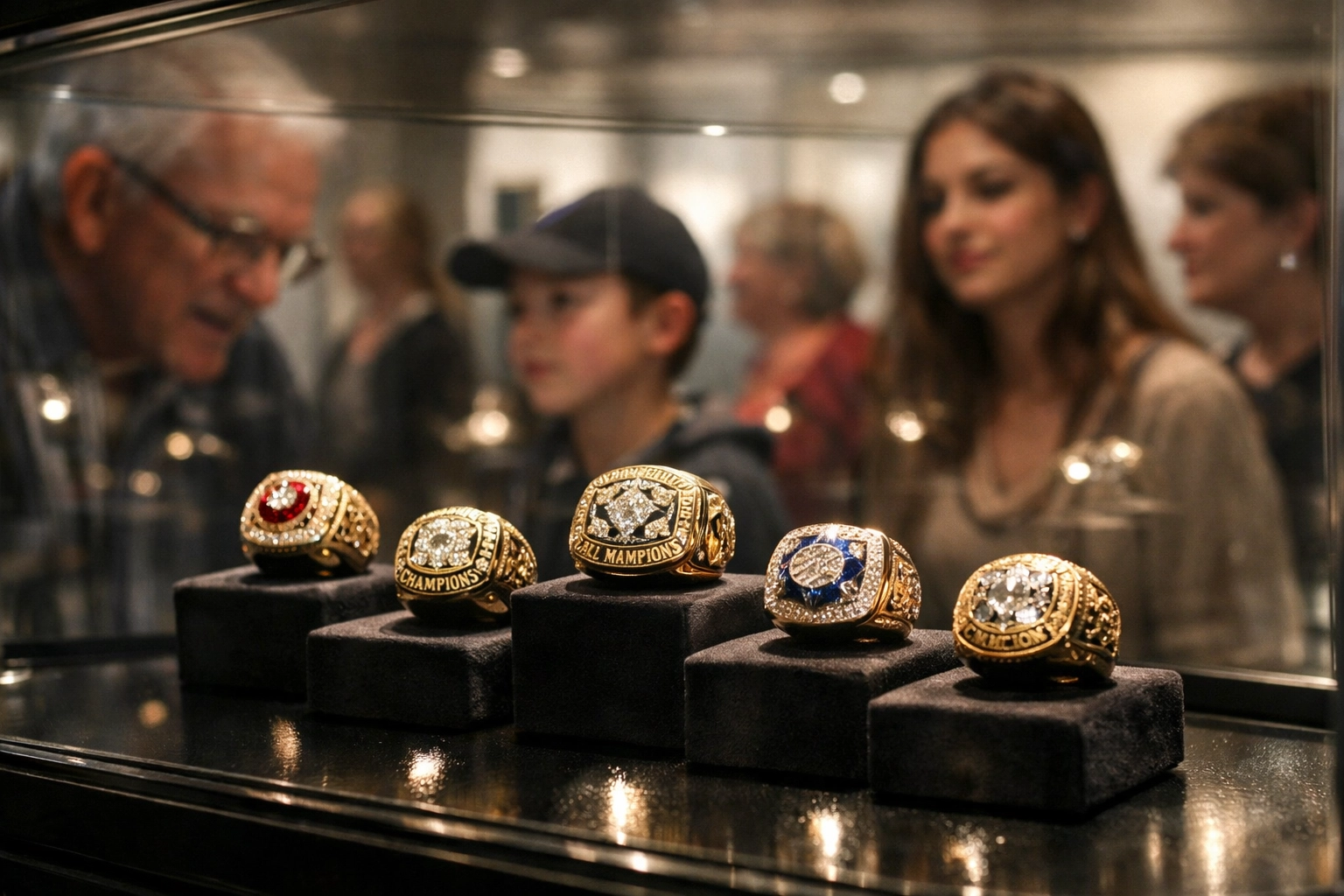
General admission tickets provided access to interactive zones, photo opportunities with the Vince Lombardi Trophy, and displays featuring every Super Bowl ring in history. These baseline experiences ensured that every attendee left with shareable moments and tangible memories. Meanwhile, VIP packages offered meet-and-greets with current NFL players and Hall of Fame legends, complete with autograph sessions and intimate panel discussions.
This dual-track approach serves a critical function in loyalty building: it creates entry points for new fans while rewarding dedicated followers with exclusive access. When people feel they can participate at their comfort level and see clear pathways to deeper involvement, they're more likely to return and bring others along.
The Memorabilia Connection
Physical memorabilia creates lasting connections that extend well beyond the event itself. The Super Bowl Experience understood this, dedicating significant space to displays that honored the game's history while creating new keepsakes for attendees. Fans photographed themselves with championship trophies, examined decades of Super Bowl rings up close, and browsed exclusive merchandise at the NFL Shop presented by Visa.
The psychology behind this approach is straightforward but powerful. When people acquire physical items tied to meaningful experiences, those objects become anchors for positive memories. Every time someone wears their Super Bowl Experience t-shirt or looks at a photo with the Lombardi Trophy, they're reliving the emotional high of that moment and reinforcing their connection to the NFL brand.
For event planners in any industry, this translates to a clear directive: create opportunities for attendees to take something tangible away from your event. Whether it's branded merchandise, professional photos, or even simple collectible items, these physical touchpoints extend your event's lifespan far beyond its official end date.
Expert Insights and Educational Value
Entertainment alone doesn't build loyalty: education does. The Super Bowl Experience incorporated analyst breakdowns, strategy discussions, and behind-the-scenes insights that helped fans understand the game at a deeper level. When people feel they're gaining knowledge or developing new skills, their engagement shifts from passive consumption to active learning.
This educational component transforms casual attendees into informed advocates who can share their new knowledge with others. A fan who learns defensive strategy concepts at an interactive exhibit becomes someone who watches games differently, discusses plays with greater sophistication, and introduces friends to these insights. This ripple effect amplifies the event's impact exponentially.
Celebrity Integration and Aspirational Connection
The inclusion of celebrity appearances and live performances addresses an often-overlooked aspect of loyalty building: aspirational connection. People don't just want to watch their heroes from afar: they want to exist in the same space, breathe the same air, and feel proximity to greatness.
The Super Bowl Experience facilitated these moments through structured meet-and-greets, autograph sessions, and panel discussions where legends shared personal stories and career insights. These interactions humanize larger-than-life figures while simultaneously elevating the attendee's sense of belonging to an exclusive community.
For businesses hosting events, the lesson is clear: integrate recognizable figures who embody your brand values and create structured opportunities for meaningful interaction. The goal isn't simply to have celebrities present: it's to facilitate genuine moments that attendees will treasure and recount for years to come.
Technology as Enhancement, Not Replacement
The interactive football activities at Super Bowl 2026 showcased technology's proper role in fan experiences: enhancement rather than replacement. LED screens displaying virtual NFL players added competition and context to physical activities, but the core experience remained tactile and active. Fans were running, jumping, and competing: not just watching screens.
This balance between digital innovation and physical engagement represents a critical insight for modern event planning. Technology should amplify human connection, not substitute for it. When augmented reality, LED displays, or mobile apps enhance what people are already doing physically, they add value. When they become the primary experience, they often fall short of creating lasting loyalty.
The Transparent Marketing Advantage
Perhaps the most overlooked "secret" is the effectiveness of transparent marketing. The Super Bowl Experience didn't hide its commercial nature: it embraced it. Jersey Mike's branding was prominent throughout. The NFL Shop was clearly identified as a retail opportunity. Sponsors were acknowledged openly rather than disguised.
This transparency builds trust, which forms the foundation of loyalty. Modern consumers, particularly younger demographics, appreciate honesty about commercial relationships. They're willing to engage with branded experiences when those experiences deliver genuine value rather than simply attempting to extract attention or data.
Actionable Takeaways for Event Planners
The lessons from Super Bowl 2026's fan experience translate across industries and event types. First, prioritize tactile, physical interactions that create personal memories. Second, design tiered experiences that welcome newcomers while rewarding dedicated participants. Third, incorporate educational elements that help attendees develop new knowledge or skills.
Fourth, facilitate proximity to aspirational figures through structured, meaningful interactions. Fifth, use technology to enhance physical experiences rather than replace them. Finally, maintain transparency about commercial relationships while ensuring that branded experiences deliver authentic value.
Looking Forward
As we move deeper into 2026, the principles demonstrated at the Super Bowl Experience will continue shaping how organizations build loyalty through events. The shift toward tangible, physical experiences represents a counterbalance to years of digital-first strategies. People are craving real connection, hands-on engagement, and memorable moments they can share both online and in person.
For USA Entertainment Ventures LLC and similar consulting organizations, understanding these dynamics provides competitive advantage when advising clients on event strategy. The future belongs to brands that can create experiences worth traveling for, participating in, and remembering long after the final whistle blows.
The "secrets" revealed by Super Bowl 2026 aren't hidden at all: they're hiding in plain sight, waiting for event planners willing to prioritize genuine human connection over gimmicks and shortcuts. The question isn't what event planners don't want you to know; it's whether you're ready to implement what they've already shown works.





