
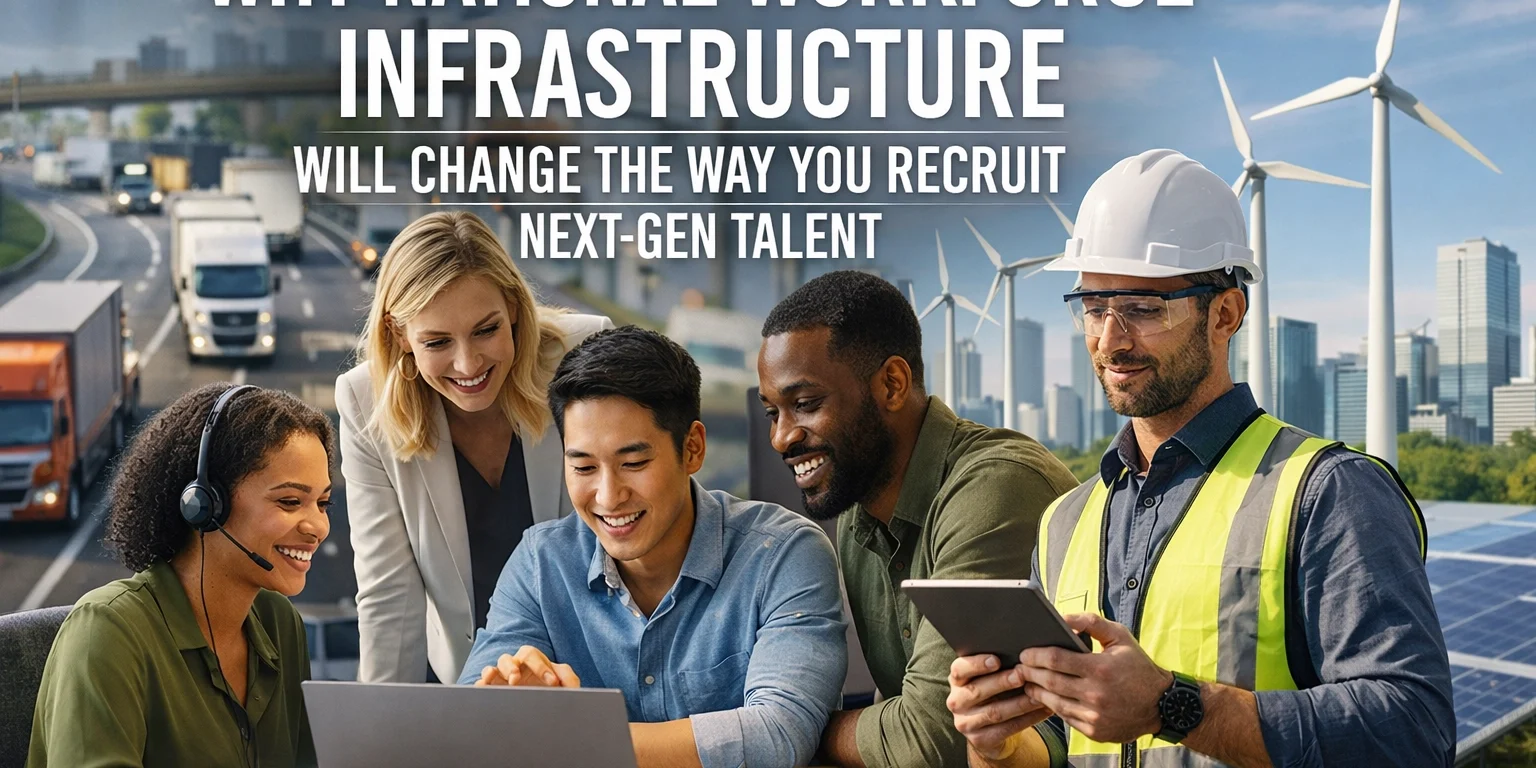
In the current landscape of 2026, the traditional methods of talent acquisition are no longer sufficient to meet the demands of a rapidly evolving digital economy. For Fortune 100 executives, the challenge is no longer just finding "qualified" candidates; it is about participating in the creation of a national workforce infrastructure that ensures a steady pipeline of career-ready talent.
As we move further into this decade, the convergence of physical infrastructure, cloud computing, and artificial intelligence has necessitated a shift in how we view recruitment. It is no longer a back-end HR function but a front-facing strategic imperative that requires C-suite oversight and a commitment to long-term national development goals.
The Paradigm Shift: From Fragmented Hiring to Integrated Infrastructure
Historically, recruitment has been a fragmented process. Companies waited for educational institutions to produce graduates, then competed for a limited pool of talent through compensation packages and brand prestige. This reactive model is failing in an era where technology cycles move faster than academic curricula.
Today, a new framework is emerging: one that treats talent development as a national infrastructure project. This model moves recruitment "upstream," integrating it directly into the development phase. By creating coordinated physical distribution networks and quality-focused talent pipelines, organizations are no longer just hiring; they are engineering their future workforce.
The logic is simple: if you want a workforce capable of managing complex AI systems and global cloud networks, you cannot leave their development to chance. You must build the infrastructure that facilitates their growth.
The "Trojan Horse" of Next-Gen Literacy: Esports and Cloud Systems
One of the most significant developments in modern workforce training is the realization that technical literacy does not always begin in a classroom. For the next generation of talent, the "Trojan Horse" for high-level cloud and AI literacy is esports.
To the untrained eye, esports is mere entertainment. To the strategic executive, however, it represents a sophisticated training ground. Competitive gaming environments are, in reality, low-latency, high-stakes simulations of the very cloud infrastructures that power modern global enterprises.
When a young professional engages in high-level competitive gaming, they are inadvertently mastering:
- Edge Computing and Latency Management: Understanding how data travels across networks to ensure real-time responsiveness.
- Data Analytics: Using complex datasets to make split-second strategic decisions.
- AI Integration: Working alongside automated systems and algorithmic tools to optimize performance.
- Collaborative Problem Solving: Operating within decentralized, remote teams to achieve a common objective.
By leveraging esports as a gateway, national workforce infrastructure programs are successfully onboarding talent into technical career paths that might have otherwise seemed inaccessible or uninteresting. This is not about playing games; it is about utilizing a familiar medium to build the foundational skills required for the 21st-century economy.

Physical Distribution: The Last Mile of Workforce Development
A revolutionary shift is underway regarding how training reaches potential candidates. According to recent workforce assessments, approximately 72 percent of federal workforce funds now flow through infrastructure-related channels, such as the Department of Transportation. This shift has prompted innovative leaders to establish training access points within existing commercial, civic, and transportation hubs.
The goal is to eliminate the geographic and socio-economic barriers that often prevent high-potential talent from accessing development programs. By placing workforce infrastructure within the "physical distribution system" of our cities: leveraging facilities that already possess robust technology stacks and community trust: we can reach a much broader demographic.
This "last mile" approach to talent development ensures that the infrastructure for success is as accessible as a local transit station or a community center. For a Fortune 100 enterprise, this means the ability to tap into diverse, regional talent pools that were previously overlooked due to lack of local training facilities.
The Three-Tier Framework for Executive Implementation
To successfully navigate this new landscape, organizations are adopting a comprehensive three-tier framework that aligns corporate needs with national infrastructure goals.
Tier 1: Organizational Alignment and Partnerships
This layer focuses on creating strategic alliances between employers, educational institutions, and government workforce boards. The objective is to ensure that training programs are aligned with actual market demand rather than theoretical academic standards. USA Entertainment Ventures LLC specializes in navigating these complex consulting landscapes, helping businesses align their growth strategies with these national trends.
Tier 2: Regional Workforce Assessments
Fortune 100 companies are now conducting granular regional assessments to identify specific skill gaps by geography. This allows for targeted interventions. If a region has a high density of logistics infrastructure but a lack of cloud-certified technicians, the infrastructure can be adjusted to bridge that specific gap.
Tier 3: Delivery and Wraparound Services
The final tier is the actual delivery of training through apprenticeships and specialized degree programs. Crucially, this tier includes "wraparound services" such as transportation and childcare. These are not just social benefits; they are essential infrastructure components that remove the barriers to program completion, ensuring a higher return on investment for the developing talent.

Leveraging Federal Coordination and Quality Standards
The current rollout of national workforce infrastructure is supported by a convergence of major legislative initiatives, including the Infrastructure Investment and Jobs Act and the CHIPS and Science Act. These acts have created a coordinated funding environment that requires state systems to align with manufacturing and technology priorities.
For the C-suite, this means that the bar for "job quality" has been raised. Success is no longer measured solely by placement volume but by career mobility and long-term advancement potential. Workforce agencies are increasingly directing candidates toward employers who meet high-quality benchmarks in career architecture.
In this environment, enterprises must compete not just on compensation, but on the robustness of their internal career pathways. You can learn more about how to structure these professional environments on our services page.
The Timeline for Transformation
Implementing a national workforce infrastructure strategy is not an overnight process. It typically requires an 18 to 24-month horizon from initial planning to measurable talent output.
- Months 1-6: Dedicated to partnership alignment and regional gap analysis.
- Months 7-12: Program design and infrastructure deployment (physical and digital).
- Months 13-24: Recruitment, training, and the first wave of graduate delivery into the workforce.
This timeline requires cross-functional integration across human resources, facilities management, and government affairs. It is a long-term investment that secures the most critical asset any company possesses: its people.

Conclusion: The Path Forward
The rollout of a national workforce infrastructure is fundamentally changing the rules of recruitment. By treating talent development as a physical and digital infrastructure project: and by utilizing "Trojan Horses" like esports to build technical literacy: organizations can create a sustainable, high-quality talent pipeline.
For executives at the helm of the world’s largest corporations, the message is clear: the companies that thrive in the late 2020s will be those that stop searching for talent and start building the infrastructure to create it.
If you are ready to explore how these national trends impact your specific industry or to learn more about our strategic approach, we invite you to contact us at USA Entertainment Ventures LLC. The future of your workforce is being built today; ensure your organization has a seat at the table.





