

The marketing landscape has shifted beneath the feet of the world’s largest advertisers. On this Tuesday, March 31, 2026, we find ourselves looking back at Super Bowl LX as the definitive turning point for sports marketing. For decades, a Super Bowl strategy for a Fortune 100 brand meant one thing: a multi-million dollar 30-second television spot. However, as viewership fragments and the "second screen" becomes the primary screen, the Name, Image, and Likeness (NIL) revolution has moved from a collegiate experiment to a cornerstone of enterprise-level advertising.
At USA Entertainment Ventures LLC, we have watched this evolution closely. The question for Fortune 100 brands is no longer if they should participate in the NIL space during the Big Game, but how to do so with the scale and compliance required for a global corporation. This guide explores the platforms, the data, and the strategic shifts that are redefining Super Bowl success.
The Financial Reality: Why Traditional Spots Are No Longer Enough
In 2026, the cost of a 30-second traditional television spot for the Super Bowl reached a staggering $8 million. While the reach is undeniably massive, the ROI is increasingly difficult to track with precision. For a Fortune 100 brand, $8 million is a significant allocation that often yields high "awareness" but questionable "conversion."
Contrast this with the NIL approach. For the same $8 million investment, a brand can activate hundreds of athletes across diverse demographics, creating a groundswell of authentic conversation that lasts for weeks, rather than seconds.

The ROI Equation
Research indicates that NIL partnerships deliver a level of engagement that traditional commercials simply cannot match. While a TV spot is a passive experience for the viewer, an NIL-driven campaign is interactive. According to industry data from the 2026 season:
- Traditional TV: High reach, but high "ad-blindness."
- NIL Multi-Athlete Campaigns: 10x to 50x reach amplification through localized fan bases.
- Engagement: NIL content on platforms like TikTok and Instagram Reels saw a 400% higher engagement rate compared to brand-owned accounts running traditional ads during the 2026 Super Bowl weekend.
Leading Platforms for Enterprise Scale
For a Fortune 100 brand, working with individual athletes one-on-one is an administrative nightmare. To succeed, brands must leverage platforms that offer scale, compliance, and centralized reporting.
1. NIL Club: The Scale Leader
With over 650,000 student-athletes in its network, NIL Club has become the go-to for brands like Amazon, Subway, and SoFi. For enterprise brands, the appeal lies in the sheer volume. Instead of betting on one superstar, a brand can deploy a "micro-influencer" strategy across every major college town in America simultaneously. This creates a localized, authentic connection that feels personal to the consumer.
2. Sports Media Inc. and the Sporttron Network
Sports Media Inc. offers a different, highly integrated model. They manage approximately 20,000 NIL athletes but connect them through the Sporttron digital network. This network spans over 780 venues nationwide, allowing brands to synchronize digital athlete content with physical venue advertising. This "omnichannel" approach is vital for brands looking to dominate the physical space around the Super Bowl host city while maintaining a digital presence.
For brands interested in how this integration works, exploring Sports Advertising Consulting is a recommended first step in understanding the infrastructure required for such campaigns.
The NIL Revolution: Bridging the Gap
To truly understand the impact of this shift, we must look at the "NIL Revolution." This isn't just about paying athletes for a post; it's about bridging the gap between high-level brand messaging and the grassroots passion of sports fans.
The following video provides a deep dive into how this bridge is being built:
https://www.youtube.com/watch?v=l6J-0zileKE
As highlighted in the video, the ability to pivot in real-time is a competitive advantage. Traditional TV spots are locked in months in advance. NIL campaigns, however, allow brands to react to the game as it happens. If a specific athlete has a "breakout moment," a brand with an existing NIL platform relationship can have that athlete post content within the hour, capitalizing on the peak of the trend.
Strategic Advantages for the Fortune 100
When Dan Kost, CEO of USA Entertainment Ventures LLC, discusses the future of sports media, he emphasizes the transition from "guessing at impact" to "measuring impact." For enterprise brands, the shift to NIL platforms offers several non-negotiable benefits:
1. Data-Driven Decision Making
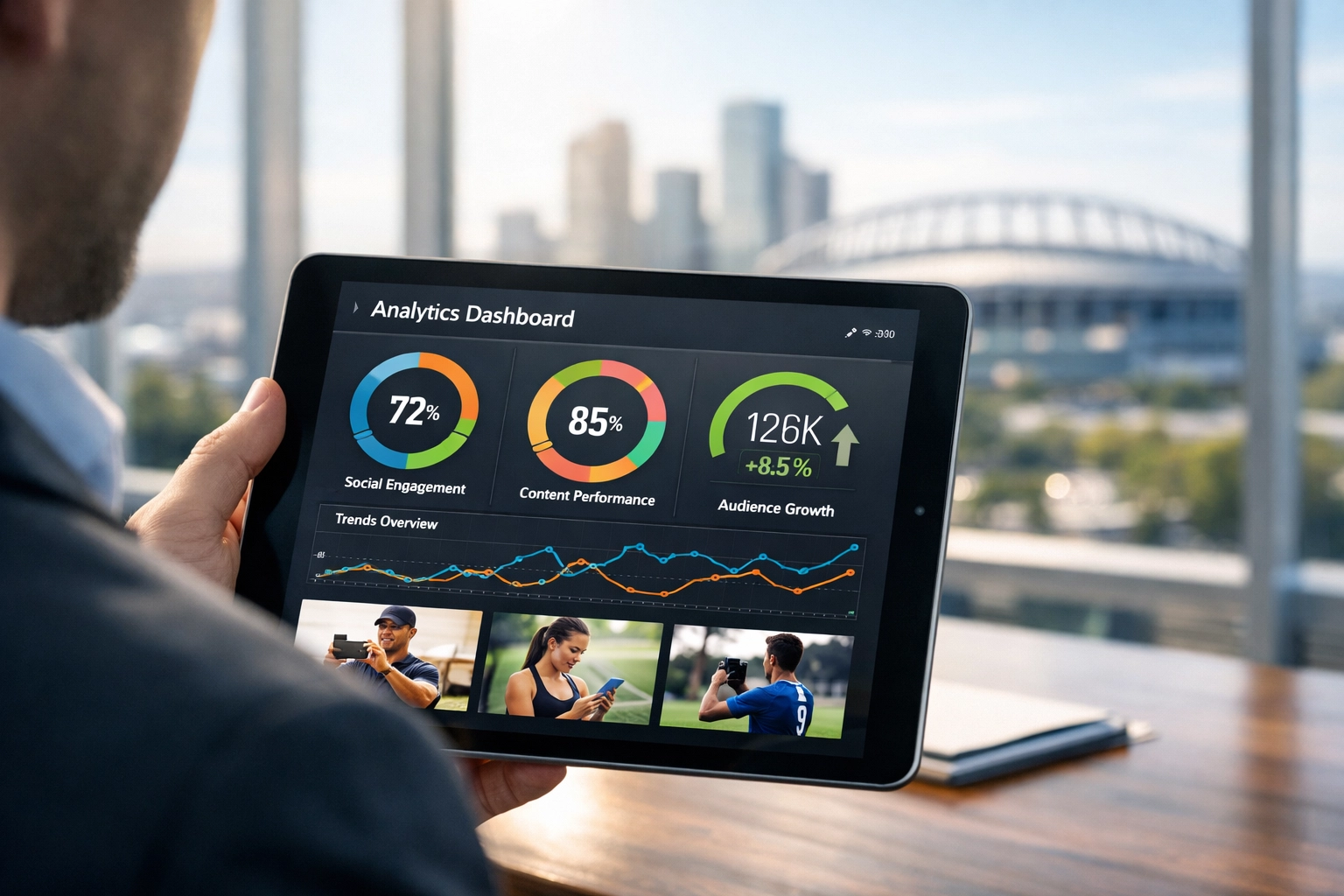
Unlike traditional broadcast metrics, NIL platforms provide real-time dashboards. Marketing teams can track:
- Exact impression counts.
- Click-through rates (CTR) on athlete-shared links.
- Sentiment analysis of the comments section.
- Direct conversion tracking through unique athlete promo codes.
2. Built-in Compliance
For a Fortune 100 company, the legal risk of an NCAA violation or a breach of contract is a significant deterrent. Leading platforms have built-in compliance engines that ensure every deal is reported correctly and stays within the evolving legal framework of NIL. This "safety first" approach is why we recommend specific platforms that prioritize regulatory alignment.
3. Content Agility
2026 was a "unicorn year" for advertising. With the Super Bowl, the Olympics, and the World Cup occurring within a tight window, brands had to be agile. In fact, many major players, including Nike, shifted their Super Bowl budgets toward NIL and other global events to maintain a continuous presence rather than a single-day spike.
Avoiding Common Pitfalls
Even with the best platforms, execution is key. Many brands fall into the trap of over-producing NIL content, making it look like a "corporate" ad. This defeats the purpose of the partnership. Authenticity is the currency of NIL.
We have detailed many of these traps in our guide on 7 Mistakes You’re Making with Super Bowl Advertising. The most common error is failing to trust the athlete's voice. Fortune 100 brands are used to strict brand guidelines, but in the NIL world, the most successful content is that which feels like the athlete’s own organic feed.
Case Study: The 2026 "Groundswell" Activation
During Super Bowl LX, a leading beverage brand opted out of a $16 million two-spot TV buy. Instead, they allocated $5 million to a coordinated NIL campaign involving 250 athletes across various sports: not just football.
The campaign, managed through a centralized platform, focused on "The Game Day Ritual." Each athlete shared their unique pre-game tradition featuring the product. The result?
- Total Reach: 85 million unique viewers.
- Cost Per Engagement: $0.08 (compared to an estimated $1.20 for TV).
- Sales Impact: A 12% lift in regional sales during the two weeks surrounding the game.
This is the power of a diversified NIL strategy. It isn't just a "backup plan" for brands priced out of TV; it is the preferred strategy for those looking for measurable growth.
The Path Forward: Preparing for 2027
As we move toward the 2027 season, the integration of AI and real-time performance data will only deepen. We expect to see "smart contracts" that automatically increase athlete compensation based on the viral performance of their content.
For Fortune 100 brands, the time to build these relationships is now. Waiting until the fourth quarter to plan a Super Bowl strategy is a relic of the past. The infrastructure: the platforms, the legal frameworks, and the talent networks: is already in place.

Actionable Takeaways for Marketing Executives:
- Audit Your Current Spend: Evaluate the true ROI of your traditional sports media buys versus the potential of a high-scale NIL campaign.
- Select a Platform for Scale: Partner with entities like NIL Club or Sports Media Inc. that can handle the volume and compliance needs of an enterprise brand.
- Embrace Authenticity: Shift your creative strategy from "highly polished" to "highly authentic."
- Leverage Consulting: Don't navigate this alone. The NIL landscape moves fast. Utilizing Business Consulting can help bridge the internal knowledge gap.
The NIL revolution has effectively democratized the Super Bowl. While the barrier to entry for TV is a multi-million dollar check, the barrier to entry for NIL is simply the willingness to innovate. For the Fortune 100, the choice is clear: continue to pay a premium for a disappearing audience, or invest in the future of authentic, data-driven engagement.
For more information on how to navigate the intersection of sports, media, and enterprise advertising, visit our main site or explore our digital project portfolio.





