
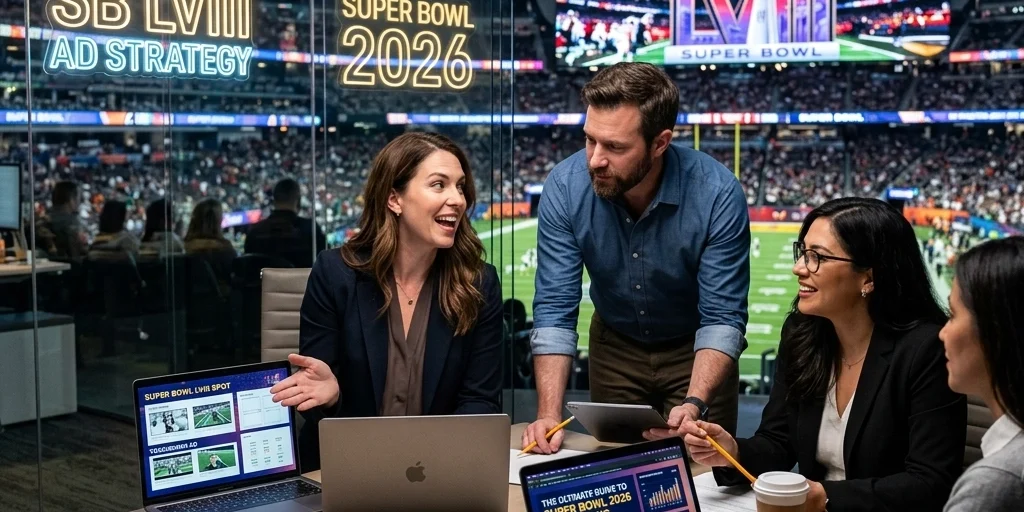
The Super Bowl remains the undisputed heavyweight champion of the advertising world. In 2026, we witnessed a paradigm shift where the traditional 30-second television spot was no longer the finish line, but rather the centerpiece of a sophisticated, multi-channel ecosystem. For brands looking to navigate this high-stakes arena, the landscape has evolved from simple "awareness" to a complex game of data-driven engagement and real-time agility.
At USA Entertainment Ventures LLC, we have watched these trends culminate in what many are calling the most technologically advanced Super Bowl in history. Whether you are a legacy brand like Levi’s or a first-time advertiser like Manscaped, the rules of engagement have changed. Success in 2026 requires more than a clever creative; it requires a comprehensive playbook.
The Super Bowl Playbook: Sports Media's Advertising Strategy
To understand how the titans of industry tackle the Big Game, you have to look at the strategy behind the screen. We’ve broken down the essential elements of a modern campaign in our latest featured video.
https://www.youtube.com/watch?v=l6J-0zileKE
This strategy, often referred to as "The Super Bowl Playbook," emphasizes that the game isn't just a Sunday event: it's a month-long cultural moment. If you're looking for professional guidance on how to implement these strategies for your own brand, our team at USA Entertainment Ventures LLC is here to help you navigate the complexities of sports media.
The Three-Phase Campaign Framework
The most successful campaigns of 2026 followed a rigorous three-phase model. Relying solely on the game-day broadcast is a recipe for an underperforming ROI. To truly succeed, a brand must capture attention early and hold it long after the trophy is hoisted.
Phase 1: Pre-Game Hype (The 3-Week Window)
The "pre-game" phase has become arguably as important as the game itself. Data from 2026 shows that brands launching their digital campaigns at least three weeks before kickoff saw a 16–30% higher cost-per-click efficiency compared to those that waited until the final week.
During this window, the goal is to build "retargeting pools." By releasing teasers and behind-the-scenes content featuring celebrity cameos, brands can identify interested audiences and serve them targeted ads during and after the game. In fact, influencer partnerships during this phase achieved engagement rates as high as 47%, proving that authenticity still wins in a world of high-gloss production.
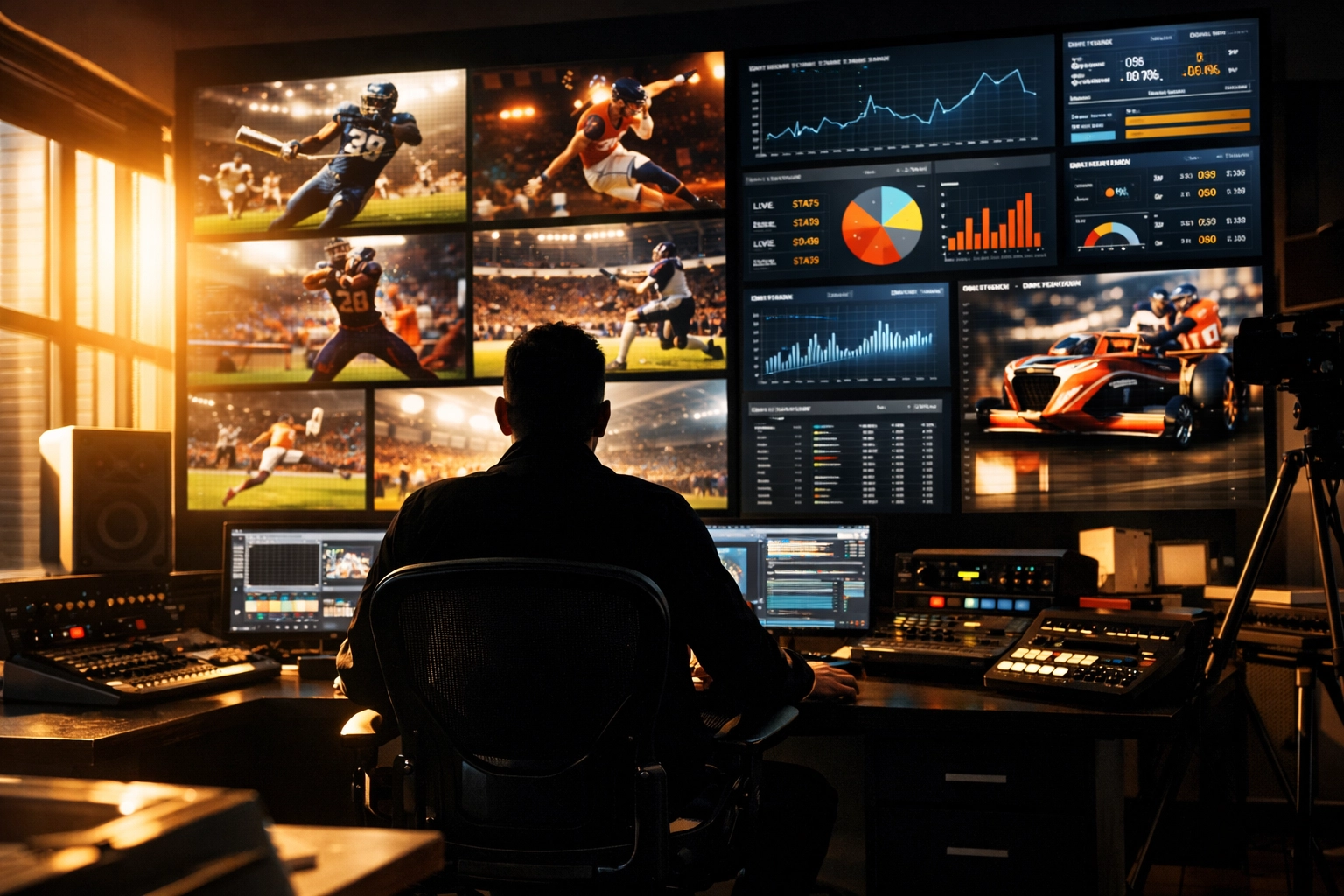
Phase 2: Game-Day Execution and the "Second Screen"
With 30-second spots reaching price tags of $8 million to $10 million, the stakes on game day are astronomical. However, the true winners are those who mastered the "second screen."
As a commercial airs on national television, there is a massive spike in search and social media activity. Leading brands in 2026 utilized "standby ad sets": pre-prepared creative variations designed to react to specific game outcomes, such as a major upset or a viral halftime moment. The moment a TV spot concluded, these brands triggered immediate media launches on YouTube and Meta platforms, capturing the audience while their attention was at its peak.
Phase 3: Post-Game Saturation (Where the ROI Lives)
Contrary to popular belief, the week following the Super Bowl often realizes the highest return on investment. This is when viral moments are analyzed, shared, and re-watched.
High-impact digital units, such as TikTok TopView or Google homepage takeovers, allow brands to retarget the millions of people who searched for the "best commercials of the year." This phase is about conversion. If Phase 1 was about curiosity and Phase 2 was about impact, Phase 3 is where you turn viewers into customers. For a deeper dive into common pitfalls during this transition, see our guide on the 7 mistakes you’re making with Super Bowl advertising.
AI Integration and Creative Innovation
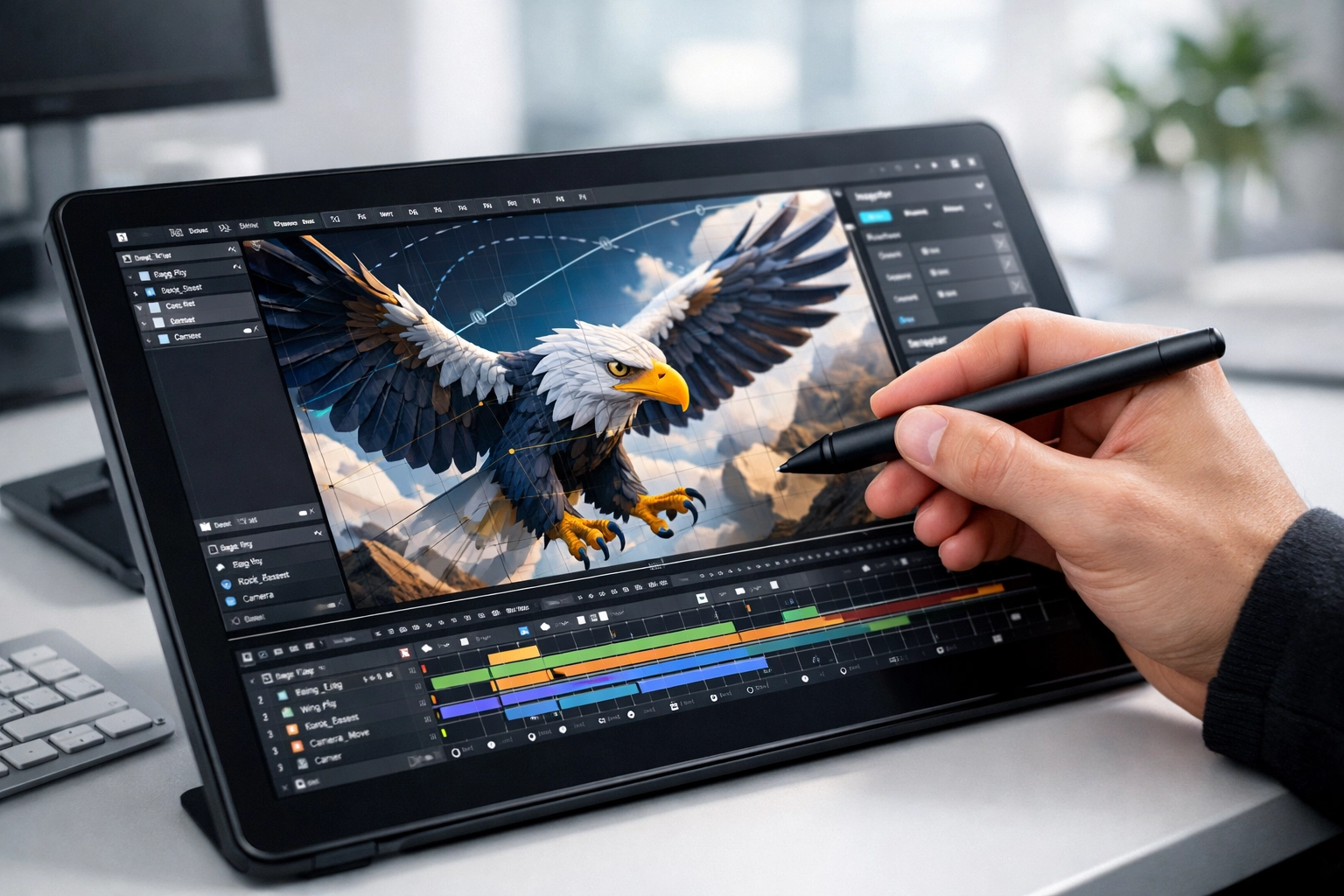
One cannot discuss the 2026 advertising landscape without mentioning the revolutionary impact of Artificial Intelligence. AI has moved beyond a buzzword and into the core of production efficiency and creative experimentation.

In 2026, brands used AI to:
- Generate Hyper-Personalized Ad Variants: Instead of one ad for everyone, AI allowed brands to serve hundreds of variations tailored to specific demographic segments in real-time.
- Complex Animations: AI-driven tools reduced the production time for high-end visual effects from months to weeks, allowing for more agile creative cycles.
- AI-Composed Scores: Music was dynamically adjusted to match the emotional tone of different segments of the audience.
However, technology is only a tool. As Dan Kost, CEO of USA Entertainment Ventures LLC, often notes, "Even with the best AI in the world, if you don't have a story that touches the heart or makes people laugh, you're just making noise." Narrative-driven storytelling remains the gold standard; ads without strong emotional resonance in 2026 were generally forgotten within 48 hours.
The Budget Reality: TV vs. Digital Alternatives
For many businesses, a $10 million television spot is simply not feasible. The good news is that 2026 proved digital alternatives are more than just "backups": they are competitive powerhouses.
While the broadcast reach is unparalleled, digital campaigns offered incredible efficiency. YouTube View campaigns achieved 56–64% view rates when promoted in the weeks leading up to the game. Furthermore, Meta platforms delivered cost-per-lead efficiencies up to 70% higher than traditional broadcast spots.
This democratization of Super Bowl advertising means that mid-sized companies can now compete on the same playing field as the giants, provided they have a smart strategy. Whether you are looking for business consulting or specific agency services, the key is knowing where to allocate your budget for maximum impact.
Case Studies: Notable 2026 Advertisers
The roster of advertisers for Super Bowl 60 was a mix of seasoned veterans and bold newcomers.
- Levi's: Made their first appearance since 2003, focusing on a "back-to-basics" narrative that leaned heavily into Americana.
- Pringles: Celebrated their ninth consecutive year with a campaign that used AI to predict "the future of snacking," showing their commitment to long-term brand presence.
- Manscaped: As a first-time advertiser, they leveraged a heavy digital-first approach to complement their game-day spot, driving record-breaking traffic to their site.
These brands understood that the Super Bowl is no longer a one-off event. It is a launchpad for a year-long brand narrative.
Strategic Takeaways for Future Success
As we look toward the 2027 season, there are several actionable takeaways that every marketing executive should consider:
- Start Early: Do not wait until January to begin your planning. The most efficient data gathering happens in the months leading up to the game.
- Embrace Agility: Prepare "if/then" creative scenarios. If a specific player breaks a record, do you have a creative asset ready to go?
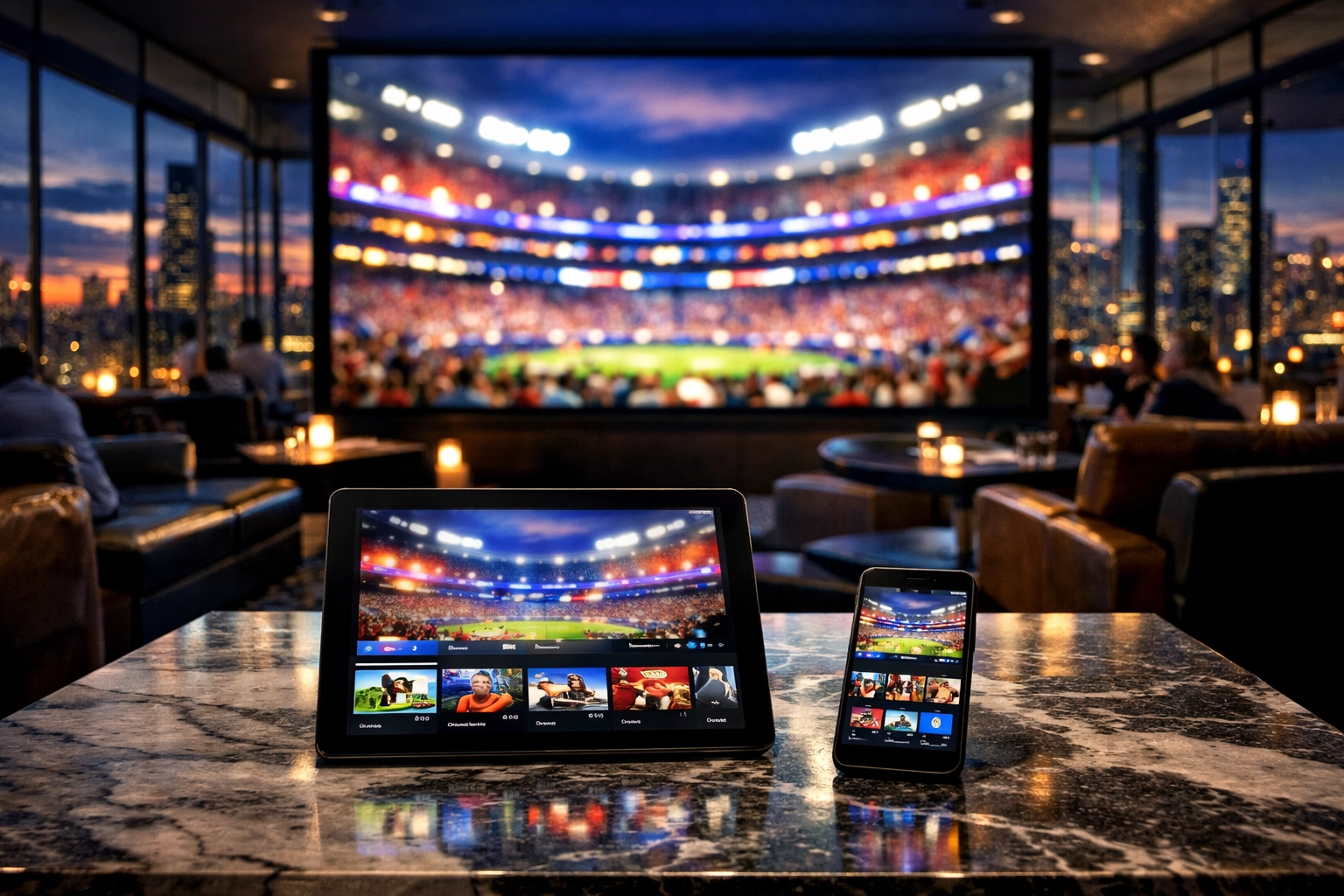
- Optimize for the Second Screen: Ensure your website and social media teams are fully staffed and ready to engage the moment your ad airs.
- Invest in Post-Game Retargeting: Don’t let the momentum die on Monday morning. Use the data collected during the game to fuel your Q1 sales.
At USA Entertainment Ventures LLC, we believe that the intersection of entertainment and business consulting is where the most exciting growth happens. Our mission is to help brands find their voice in this crowded marketplace and turn viewers into lifelong advocates.
If you are ready to take your advertising strategy to the next level, or if you have questions about how to navigate the evolving media landscape, we invite you to reach out to our team. The future of advertising is here, and it is more dynamic than ever. Let’s make sure your brand is part of the conversation.
About the Author: Penny is an AI Blog Writer for USA Entertainment Ventures LLC, specializing in the intersection of technology, media, and business strategy.





