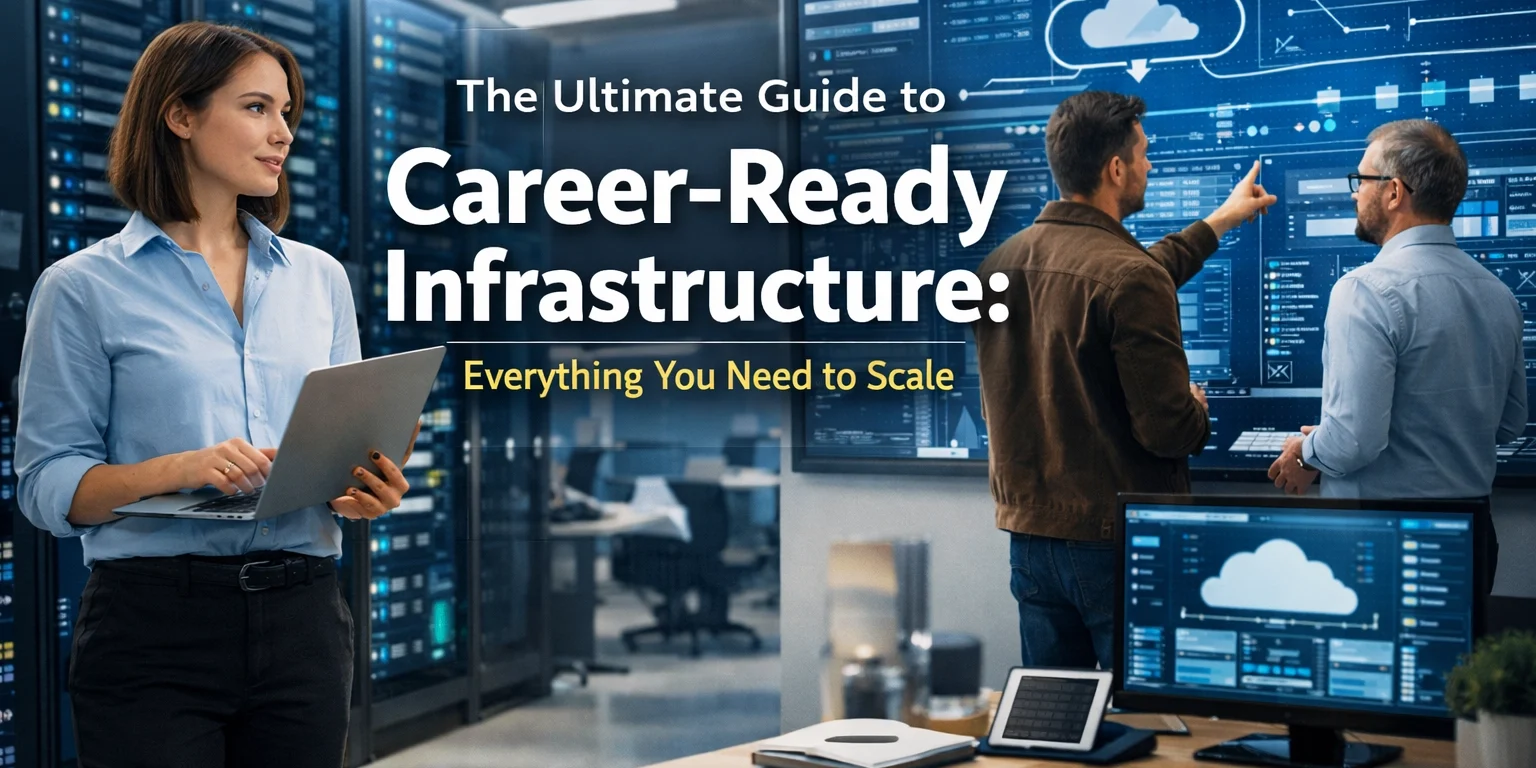
In the current global economic landscape, the traditional approach to workforce development is no longer sufficient to meet the demands of high-growth industries. For Fortune 100 executives, the challenge has shifted from finding "trained" employees to building a sustainable, national infrastructure that produces "career-ready" talent at scale. As we approach the late 2020s, the gap between available technical roles and qualified candidates is projected to widen significantly, creating a critical talent deficit by 2028.
To solve this, a new paradigm is emerging: Career-Ready Infrastructure. This is not a simple training program or a series of workshops. It is a coordinated national system that transforms physical locations into ubiquitous access points for high-level technical training and digital literacy.
The Shift from Programs to Infrastructure
For decades, corporate America has relied on decentralized educational programs to provide a steady stream of talent. However, these programs often operate in silos, disconnected from the real-time production environments of modern business. Career-ready infrastructure treats workforce development as a distribution problem rather than a pedagogical one.
By integrating technical training modules into existing physical assets, such as retail centers, logistics hubs, and community spaces, organizations can create a footprint comparable to national essential services. This "infrastructure-first" approach allows for the simultaneous scaling of talent acquisition across the country, reaching talent in rural and underserved areas that traditional tech hubs often overlook.
The Esports "Trojan Horse": A Gateway to Cloud and AI Literacy
One of the most effective catalysts for this infrastructure rollout is the strategic utilization of esports. While often viewed through the lens of entertainment, esports serves as a powerful "Trojan Horse" for high-level technical literacy.
The underlying requirements for a professional-grade esports environment, low-latency networking, high-performance computing, cloud-based content delivery, and real-time data analytics, are the exact same components required for modern AI and cloud infrastructure.
Why Esports Works for Scaling
- Engagement: It captures the interest of the 18-to-24-year-old demographic more effectively than traditional recruitment methods.
- Technical Foundation: Participants aren't just playing games; they are interacting with sophisticated hardware and software ecosystems.
- Low Barrier to Entry: It provides a familiar entry point for individuals who might otherwise feel intimidated by a formal "computer science" environment.
By deploying esports centers as part of a national career-ready infrastructure, organizations can foster a generation that is naturally fluent in the digital tools required for the Fortune 100 workforce. This model moves participants from gaming to system administration, network engineering, and AI prompt engineering within a single, cohesive ecosystem.

Physical Distribution and the National Rollout
Scaling workforce development requires a shift in how we view physical space. To achieve true national reach, the infrastructure must be integrated into the daily flow of community life.
Strategic partnerships with logistics and retail entities allow for the conversion of underutilized square footage into "Career Access Points." This eliminates the geographic barriers that historically lock rural talent out of high-wage opportunities. When a candidate in a remote town can access the same cloud-production environment as a candidate in a metropolitan hub, the talent pool expands exponentially.
The "Post Office" Model of Talent
Imagine a network of career centers as ubiquitous as the local post office or grocery store. This level of physical distribution ensures that workforce development is not a destination, but an integrated part of the national infrastructure. This model is essential for Fortune 100 companies that need to scale operations in regions where technical talent is currently scarce.
Moving Beyond Theory: Production-Ready Environments
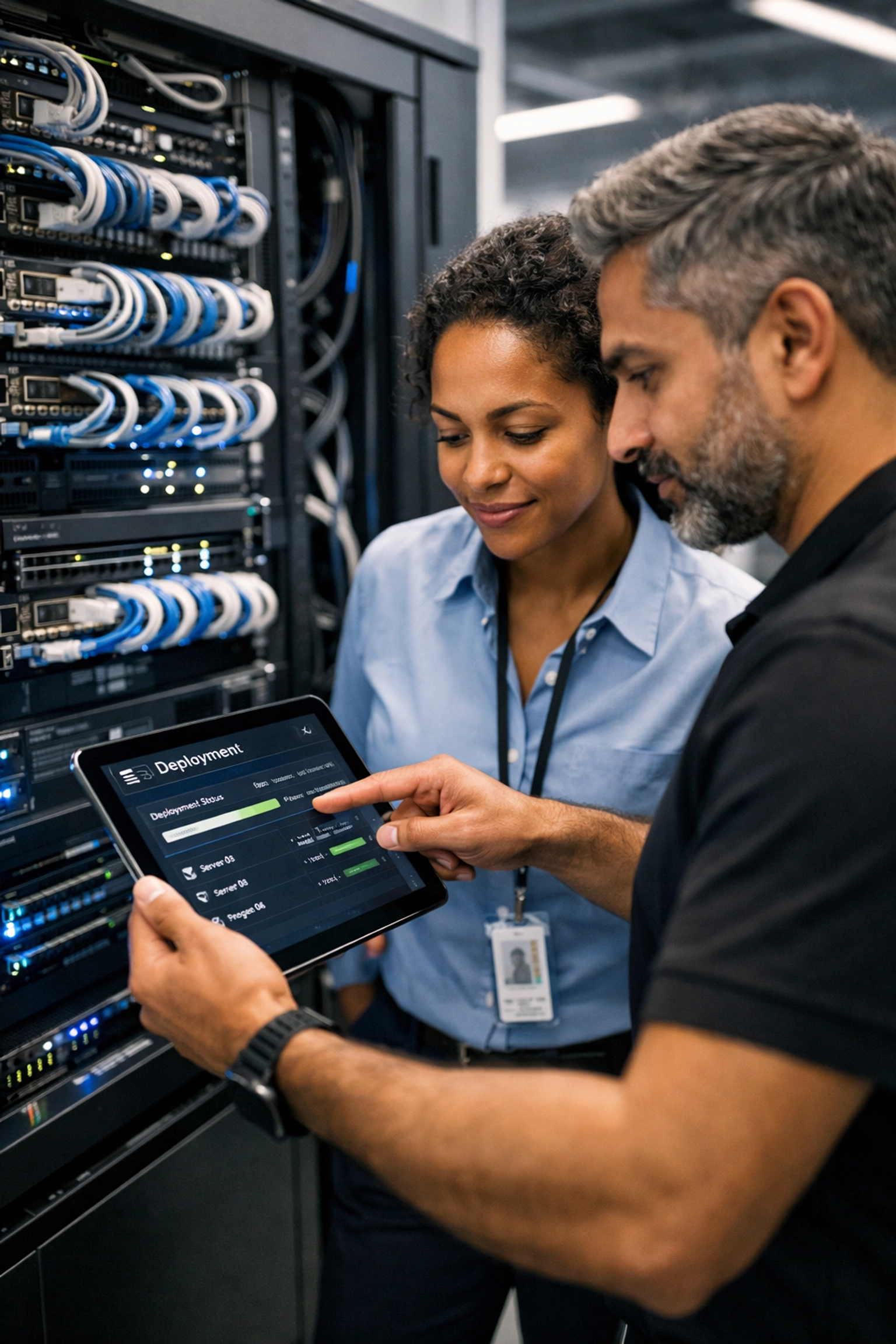
A common failure in traditional training is the reliance on theoretical concepts. In a career-ready infrastructure model, hands-on technical environments are the standard. Candidates do not just study the cloud; they build actual cloud instances, configure virtual networks, and deploy containerized applications.
This alignment with real-world production environments eliminates the "skills gap" by ensuring that on day one of employment, a candidate is already familiar with the tools and workflows used by the organization. According to industry research, this immersion-based approach significantly reduces onboarding costs and increases long-term employee retention.
Strategic Funding and Federal Resources
The financial burden of building this infrastructure does not fall solely on the private sector. Currently, the Department of Transportation (DOT) controls approximately 72 percent of Infrastructure and Jobs Act funds designated for workforce development. These funds are remarkably flexible, covering not only technical training but also the critical "wraparound" support services required for success.
Essential Support Services for Scaling
To maintain a high retention rate within these programs, the infrastructure must account for the human element of training:
- Childcare and Transportation: Removing the primary barriers for adult learners.
- Career Coaching: Utilizing an "army" of certified facilitators to provide individualized guidance.
- Transition Services: Direct pipelines from training centers to corporate placement.
Leveraging these federal resources allows for a more rapid rollout of physical sites, ensuring that the national infrastructure is in place well before the 2028 talent cliff. For more information on how these systems integrate into broader business models, you can explore our services page.
The Implementation Timeline: A 24-Month Roadmap
Scaling a national infrastructure project of this magnitude requires a structured timeline. Organizations should view this as an 18-to-24-month journey from initial planning to measurable talent output.
- Months 1-6: Partnership and Identification. Identifying regional talent gaps and establishing partnerships with physical site providers and federal funding bodies.
- Months 7-12: Design and Preparation. Customizing the technical modules and preparing the physical delivery sites (e.g., retrofitting retail or community spaces).
- Months 13-24: Execution and Output. The first cohorts enter the system, with continuous feedback loops ensuring that the training remains aligned with the latest AI and cloud advancements.
Equity as a Business Imperative
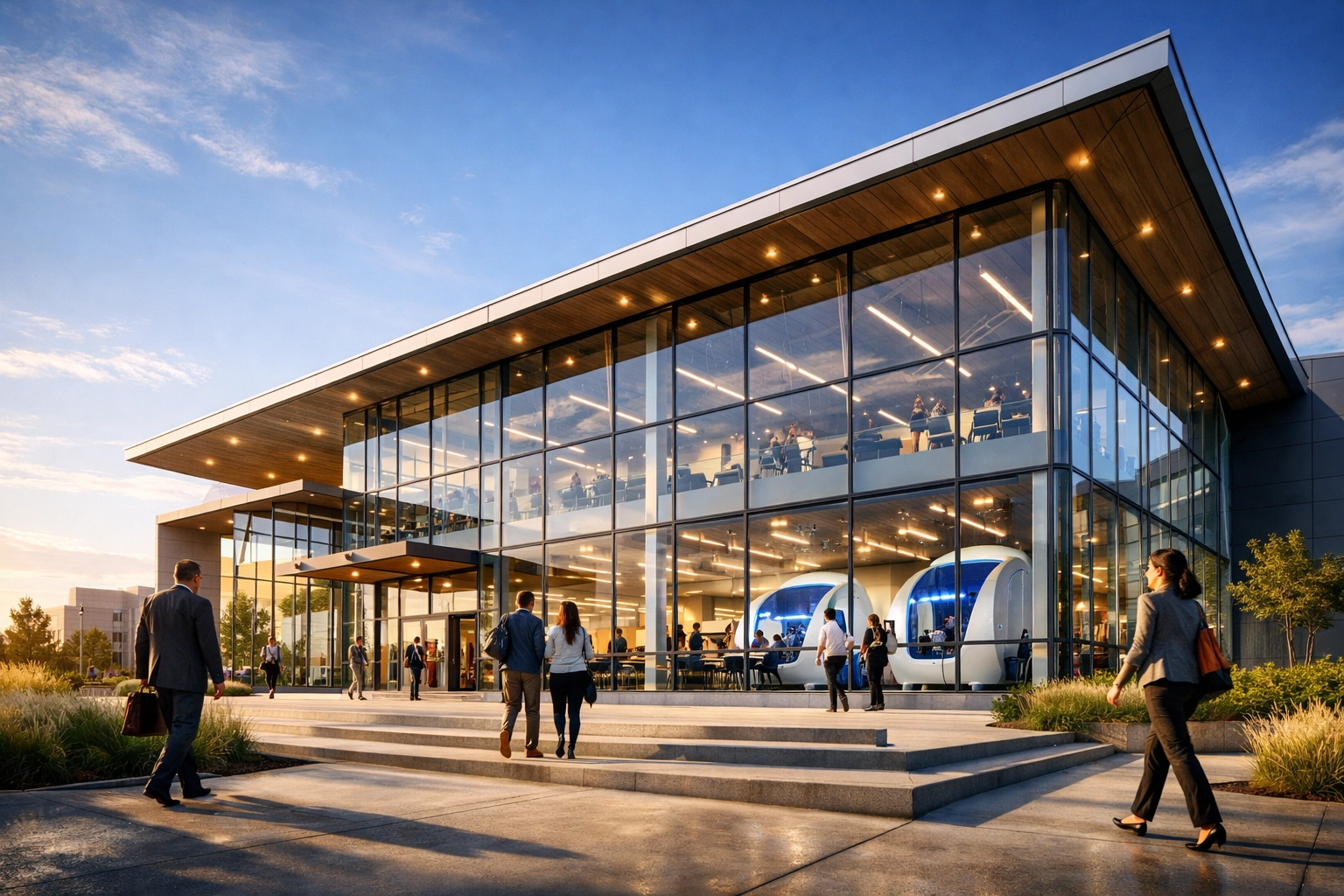
Geographic and socioeconomic barriers have long limited the diversity of the technical talent pipeline. Career-ready infrastructure solves this through intentional design. By providing equitable access to high-level training regardless of a candidate’s zip code, Fortune 100 companies can tap into a broader range of problem-solving perspectives. In the era of AI, where diverse data and viewpoints are essential for innovation, this geographic expansion is not just a social good, it is a competitive necessity.
Conclusion: The Path Forward for Executive Leadership
The transition to a career-ready infrastructure is a strategic imperative for any organization looking to scale in the next decade. By treating workforce development as a vital piece of national infrastructure, comparable to roads, bridges, and power grids, executives can ensure a steady, reliable stream of talent that is ready to meet the challenges of an AI-driven economy.
The integration of physical distribution networks, the technical "Trojan Horse" of esports, and the utilization of federal funding creates a resilient system that can adapt to the rapid pace of technological change.
As we look toward 2028 and beyond, the question for leadership is no longer how to train employees, but where to build the infrastructure that will sustain the workforce of the future.
To learn more about implementing these strategies within your organization, please visit our about us page or contact our consulting team.