
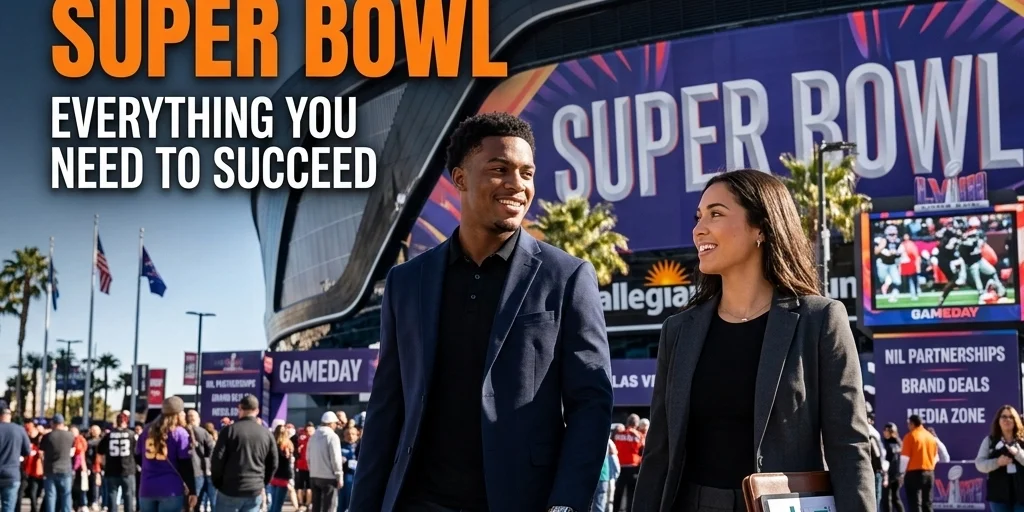
The marketing landscape of the Super Bowl has undergone a tectonic shift. For decades, the "Big Game" was defined by million-dollar-a-second television spots featuring Hollywood A-listers and high-budget CGI. However, as we look back at the successes of Super Bowl LX in Santa Clara and project forward into the future of sports marketing, a new titan has emerged: Name, Image, and Likeness (NIL).
For Fortune 100 brands, the challenge is no longer just about securing a time slot during the broadcast; it is about capturing the authentic attention of a fragmented, digitally native audience. At USA Entertainment Ventures LLC, we have observed that the most successful strategies now bridge the gap between traditional corporate messaging and the raw, influential power of athlete-driven content. This is the NIL revolution.
The NIL Revolution: Bridging the Gap at the Super Bowl
The transition from traditional celebrity endorsements to NIL-driven partnerships is not merely a trend; it is a fundamental change in how consumers perceive value and authenticity. Data from 2026 industry reports indicates that NIL multi-athlete campaigns are delivering between 10 to 50 times greater engagement than traditional television advertising. This is largely attributed to "ad-blindness," where viewers subconsciously tune out high-gloss commercials while leaning into content shared directly by their favorite athletes.
To understand the full scope of this shift, watch our detailed breakdown of the NIL revolution below:
https://www.youtube.com/watch?v=l6J-0zileKE
Why Authenticity Outperforms Celebrity Star Power
In the past, a Fortune 100 brand might hire a retired movie star to sell a luxury vehicle or a snack food. Today, that approach often feels scripted and disconnected. Modern consumers, particularly Gen Z and Millennials, prioritize the "behind-the-scenes" reality of the athletes they follow.
Super Bowl LX demonstrated that campaigns pairing brands with athletes through organic content: think locker room preparations, post-game celebrations, and personal travel logs: yielded significantly higher trust scores. The focus has shifted from the "celebrity" to the "influencer-athlete." This includes not just the starting quarterback on game day, but college athletes on the rise, retired legends with deep-rooted community ties, and micro-influencers with hyper-loyal followings.

The Multi-Channel Distribution Edge
A common mistake for large corporations is treating NIL as a "social media only" play. While platforms like Instagram and TikTok are essential, they are only one piece of the puzzle. To truly succeed at the Super Bowl level, brands must leverage multi-channel distribution networks.
For example, the Sporttron digital network has set a new standard for how athlete content is disseminated. By pushing athlete-driven content across game highlights, halftime reaction streams, and real-time player interviews, brands can ensure their message is seen in context. This "surround-sound" marketing ensures that the investment in an athlete's NIL isn't lost in the noise of a single post but is integrated into the entire Super Bowl experience.
Case Studies in High-Impact Activations
Looking at the most recent activations, we can see a clear blueprint for success:
- Don Julio’s Latino-Focused Ready P’al Show: By focusing on cultural relevance and partnering with athletes who resonate with specific demographics, they created taquería pop-ups and DJ experiences that felt less like an ad and more like a community celebration.
- Smirnoff’s Gen Z Fashion Activations: Instead of focusing on the game itself, Smirnoff leveraged NIL to tap into the fashion culture surrounding the Super Bowl, reaching an audience that values lifestyle over stats.
- The NFL’s "Be Kind to Your Rival" Initiative: Partnering with content creators like Dhar Mann and key athletes, this initiative showed that Fortune 100 brands could promote social good (supporting St. Jude Children's Research Hospital) while maintaining high engagement levels through narrative-driven content.
These examples highlight a critical lesson: successful NIL at the Super Bowl is about lifestyle integration, not just logo placement. For more on how we manage these high-level projects, visit our portfolio.
Scalability and Strategic Investment
One of the most attractive aspects of the NIL framework for business consulting is its scalability. While Fortune 100 brands have the capital to sign massive multi-athlete deals, the strategy is equally effective for targeted, regional campaigns.
The objective is to find athletes whose personal brands align perfectly with the corporate values. A brand focused on sustainability might partner with an athlete known for environmental advocacy, creating a narrative that feels earned rather than bought. This alignment is what protects brands from the "corporate intruder" label often associated with large-scale sponsorships.

Actionable Strategies for Fortune 100 Executives
For executives looking to implement a robust NIL strategy for the upcoming season, we suggest the following pillars:
- Prioritize Narrative over Script: Allow athletes the creative freedom to present your brand in their own voice. Professional production is important, but over-scripting kills the authenticity that makes NIL valuable.
- Diversify the Athlete Roster: Don't put all your budget into one superstar. A "fleet" of athletes: ranging from current NFL stars to high-profile college prospects: provides a wider net and more touchpoints across different demographics.
- Integrate with Physical Activations: NIL shouldn't live only on a screen. Use your athlete partners to anchor physical experiences in the host city, creating a tangible connection with fans.
- Utilize Data-Driven Selection: Use analytics to match your target audience with the specific follower demographics of potential athlete partners. This ensures that your business isn't just buying "likes," but reaching potential customers.

Addressing the Risks: Management and Compliance
The NIL landscape is still evolving, and with it comes a set of legal and reputational risks. Fortune 100 brands must ensure that every partnership is compliant with current regulations and that there is a crisis management plan in place. At USA Entertainment Ventures LLC, we emphasize the importance of rigorous vetting and professional management. Navigating the complexities of sports media requires a consulting partner who understands both the entertainment industry and the corporate requirements of large-scale enterprises.
The Future: Beyond the 2026 Season
As we move toward the next decade of sports marketing, the line between "athlete" and "media mogul" will continue to blur. The Super Bowl will remain the premier stage for this evolution. Brands that master the art of the NIL partnership today will be the ones that define the culture of tomorrow.
The shift toward NIL is more than just a change in media spend; it is an acknowledgement that in a world of endless content, the human element is the only thing that truly cuts through the noise. By investing in the people who play the game: and the stories they tell: Fortune 100 brands can secure a legacy that lasts long after the final whistle blows.
For companies ready to take the next step in their marketing journey, exploring specialized business consulting services is the most direct path to navigating this complex but rewarding terrain. Whether your focus is on large-scale sports media or niche activations, the time to build your NIL strategy is now.

The Super Bowl is no longer just a game; it is a multi-platform, human-centric content ecosystem. Make sure your brand is a part of the conversation, not just a commercial break.





