
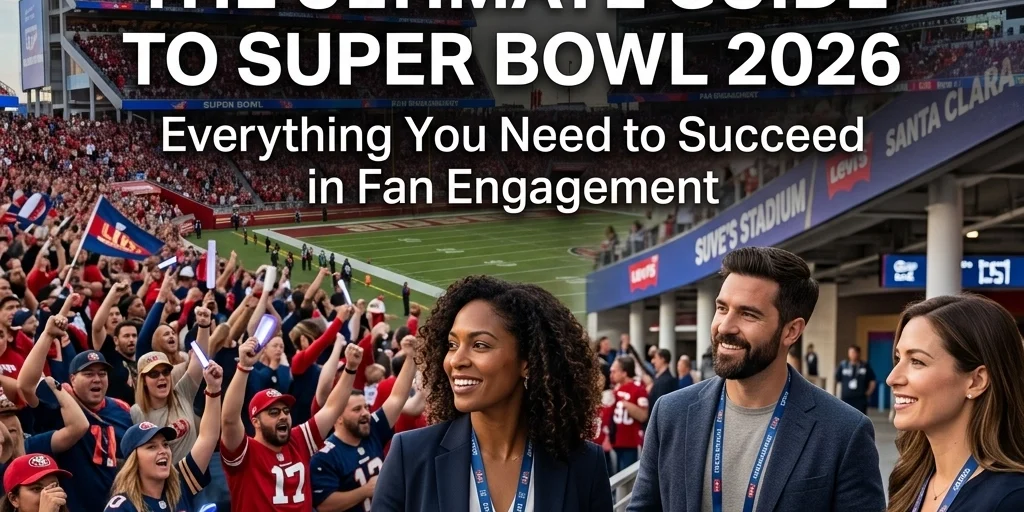
Now that the confetti has settled at the Levi’s Stadium and the neon lights of San Francisco have dimmed, it is time for us to look back at one of the most transformative events in sports history. Super Bowl 2026: or Super Bowl LX: wasn't just a football game; it was a watershed moment for how brands, athletes, and fans interact in a physical and digital space.
At USA Entertainment Ventures LLC, we’ve spent the last few months analyzing the data, the activations, and the "vibe shift" that occurred during those intense weeks in February. If you were on the ground at the Moscone Center or watching from a watch party in another time zone, you felt it: the game has changed. This guide is designed to break down exactly what worked in 2026 and how you can apply these "winning plays" to your own fan engagement strategies.
The Shift from Passive Observation to Active Participation
For decades, fan engagement at major sporting events was relatively simple: give people something to look at. You had a big screen, some shiny trophies behind glass, and maybe a cardboard cutout for a photo op. But 2026 proved that the "look but don’t touch" era is officially over.
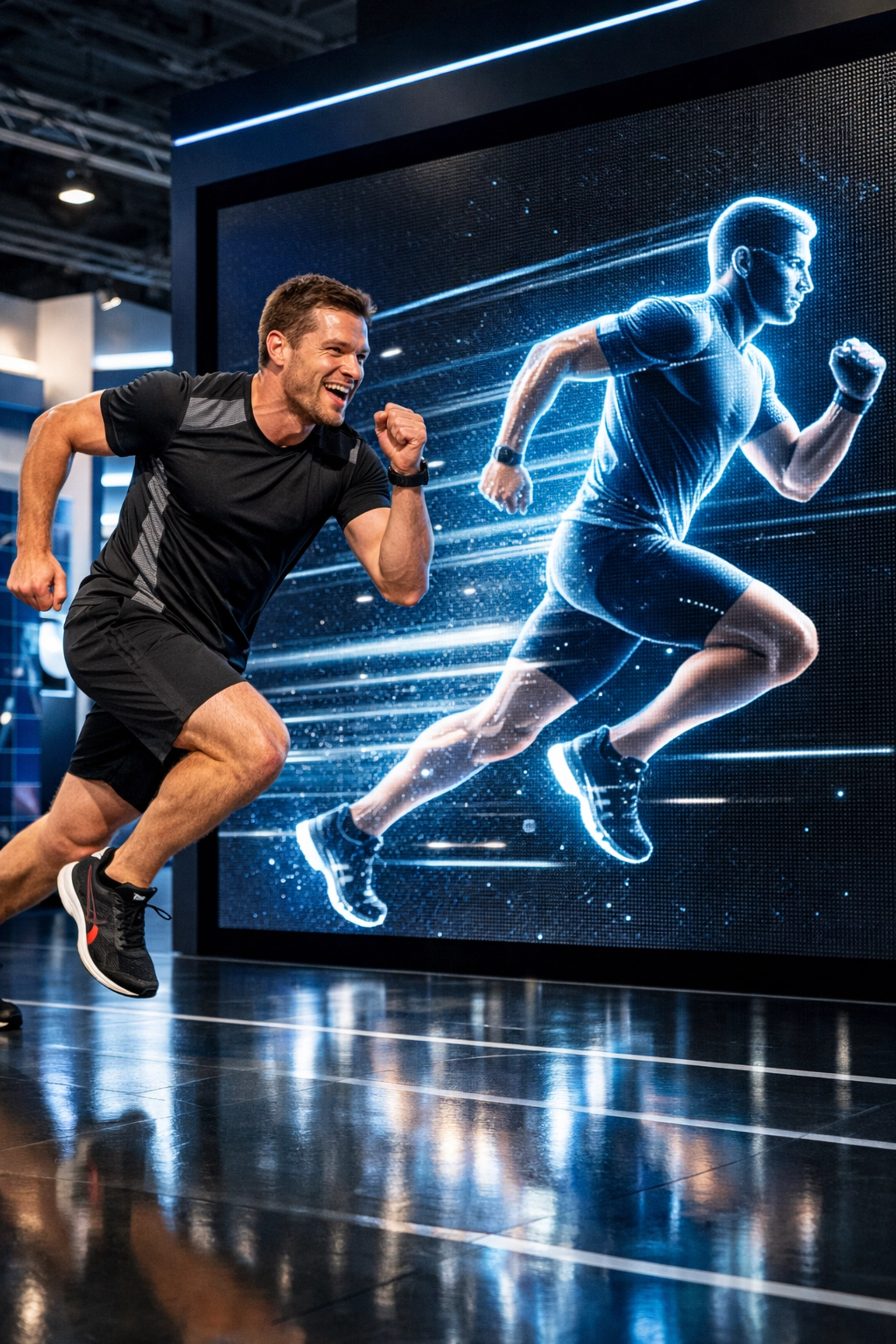
Data from the Super Bowl Experience showed that interactive stations significantly outperformed static displays. Fans didn't just want to see the Lombardi Trophy; they wanted to participate in the narrative. We saw a massive surge in engagement at stations where fans could run a 40-yard dash against a virtual NFL star or record their own "victory dance" with AI-generated overlays.
As our CEO Dan Kost often says, "Engagement isn't a spectator sport." To succeed today, you have to move your audience from the sidelines and put them right in the middle of the action.
Prioritizing Tangible Experiences
One of the most successful themes of this year was "Tangible Connections." In a world that is increasingly digital and automated, there is a deep, psychological hunger for something real. This was the core focus of our recent newsletter, Creating Connections – Tangible Fan Experiences at Super Bowl 2026.
We found that while high-tech VR headsets are cool, the activations that really stuck with people were the ones that combined tech with physical movement. Think about the "Touchdown Zone" where fans could physically spike a ball and have their impact force measured and compared to pro players. It’s that blend of a physical sensation with a digital reward that creates a lasting memory.
To see some of these experiences in action, check out this video that captures the energy of the 2026 fan landscape:
https://www.youtube.com/watch?v=l6J-0zileKE
The Role of AI-Powered Personalization
If 2025 was the year of "AI hype," 2026 was the year of "AI utility." During the Super Bowl lead-up, we saw AI move beyond chatbots and into the realm of the personal concierge.
Successful brands used AI to deliver individualized messages to attendees based on their location and preferences. Imagine walking through an airport and receiving a notification that your favorite retired player is doing a signing just two gates away, or getting a personalized itinerary for the "Super Bowl Experience" based on which teams you follow.
This level of personalization reduces the friction of the fan experience. It makes the fan feel seen, rather than just being one of the millions in a crowd. In our work at USA Entertainment Ventures LLC, we emphasize that the most effective technology is the kind that works behind the scenes to make the human experience smoother.
Strategizing Athlete Access
One of the biggest draws of Super Bowl week is the proximity to greatness. However, the old way of doing meet-and-greets: long, disorganized lines and rushed photos: is being replaced by more professional, curated systems.
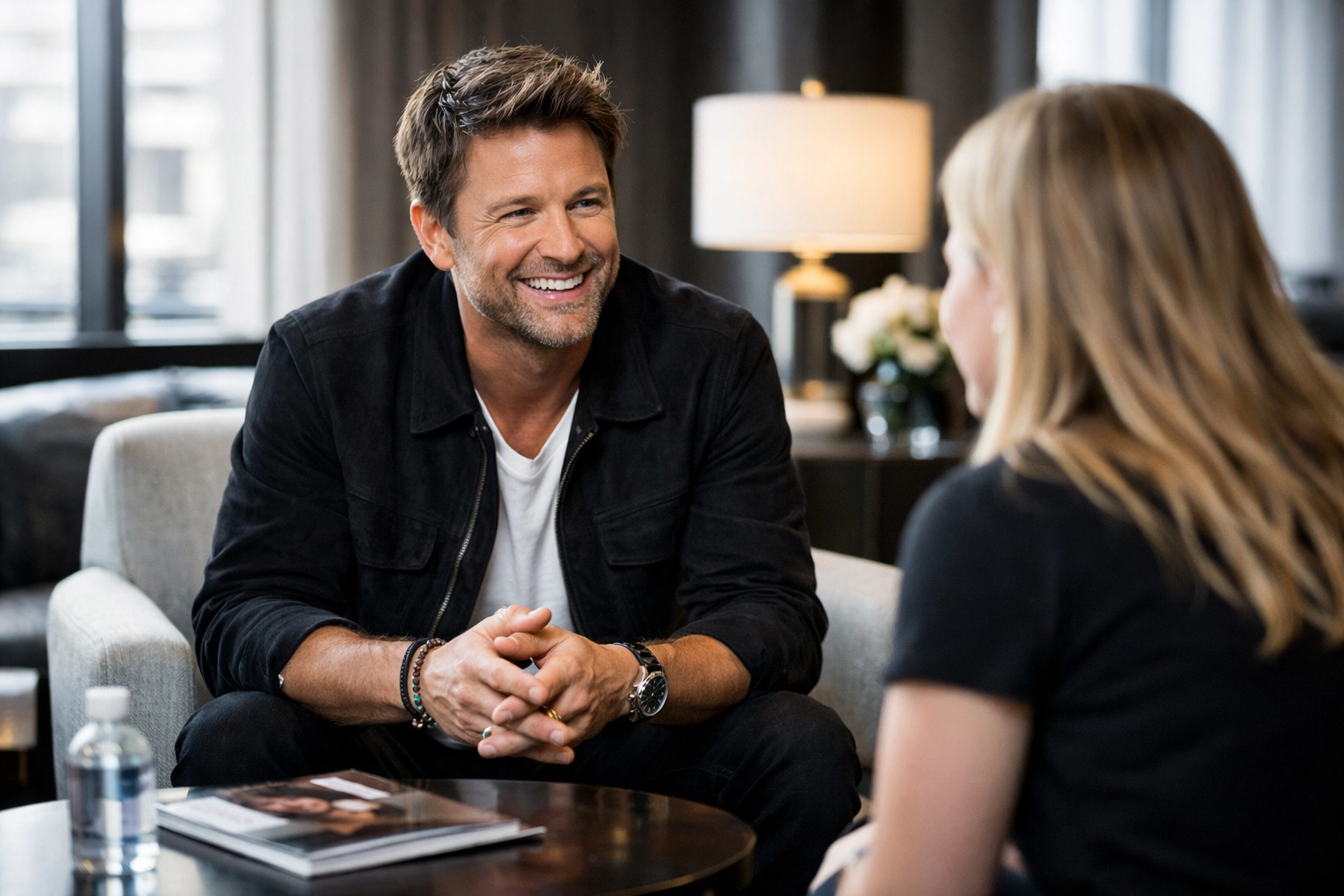
In 2026, the most successful brands built professional environments around their athlete interactions. They used timed entry sessions and photo-friendly staging areas that looked great on social media but also kept the flow of people moving.
"When you respect the fan’s time and the athlete’s space, everyone wins," Dan Kost notes. By creating a premium environment for interaction, the memory of meeting a hero becomes associated with your brand's hospitality and efficiency. This is a key part of our business consulting philosophy: the logistics are just as important as the talent.
Expanding Beyond the Stadium
A major takeaway from Super Bowl LX was that you don't need a stadium seat to be part of the Super Bowl culture. Only a small fraction of fans actually make it inside the stadium on Sunday, but the "Super Bowl environment" extends for miles around the host city and even across the country.
We saw incredible success with pop-up experiential stations in:
- Airports: Catching fans the moment they land.
- Hotel Lobbies: Providing "micro-engagements" during downtime.
- Transportation Hubs: Gamifying the commute to the fan zones.
By expanding your footprint, you capture the "casual viewer": that 42% of the audience who might not be hardcore football fans but are there for the commercials, the halftime show, and the overall social atmosphere.
Gamification: Keeping the Lulls Lively
Football has a lot of downtime. Between commercials, reviews, and halftime, there are significant gaps in the action. In 2026, the brands that "won" the Super Bowl were the ones that filled those gaps with gamification.
Mobile apps that allowed fans to predict the next play or participate in real-time trivia for prizes kept people's eyes on their screens (and the brand's logo) even when the players were in the huddle. This created a continuous loop of engagement that didn't stop when the whistle blew.

Building Year-Round Relationships
Perhaps the most important lesson from 2026 is that fan engagement should not be a "one-night stand." The brands that saw the highest ROI were those that used the Super Bowl as a launchpad for year-round community building.
By launching loyalty programs or "fan hubs" during the Super Bowl, these companies were able to collect data and maintain a conversation with their audience long after the game ended. They treated the event as a chapter in a much larger story.
At USA Entertainment Ventures LLC, we help businesses look past the "big day" to see the "big picture." Whether you are looking at portfolio strategies or brand development, the goal is longevity.
Actionable Takeaways for Your Next Event
If you’re looking to implement these strategies, here are three things you can do right now:
- Audit Your Participation Levels: Look at your current marketing activations. Are people just looking, or are they doing? Find one way to add a physical, interactive element.
- Leverage Micro-Moments: Don't just focus on the main event. Look for the "lulls" in your customer journey and find ways to add gamification or personalized content there.
- Humanize the Tech: If you're using AI or VR, ask yourself: "Does this make the experience more human or less?" The goal is to facilitate connection, not replace it.
Looking Forward to 2027 and Beyond
As we move toward the next season, the trends we saw in 2026 will only accelerate. We will see more integration of augmented reality in live settings and an even greater emphasis on authentic athlete storytelling.
The future of fan engagement is bright, interactive, and deeply personal. It’s about creating a world where every fan feels like they have a front-row seat, regardless of where they are sitting.
If you're ready to take your fan engagement to the next level, let's talk. At USA Entertainment Ventures LLC, we specialize in making these complex strategies simple, actionable, and: most importantly: successful.
The game is always changing, but with the right guide, you’ll always stay ahead of the curve. Here's to a successful 2026 and an even better 2027!
To stay updated on the latest trends in sports media and entertainment, visit our news section or explore our full range of services.





