

The landscape of sports marketing has shifted beneath our feet. We aren’t just talking about a change in how athletes get paid; we are talking about a fundamental restructuring of how Fortune 100 brands interact with the most influential demographic on the planet. As we look ahead toward the Super Bowl: the undisputed heavyweight champion of advertising windows: there is a massive disconnect.
Name, Image, and Likeness (NIL) has moved beyond its "wild west" phase. It is now a sophisticated ecosystem. Yet, many of the world’s largest brands are still treating NIL like a secondary influencer campaign or a charitable donation to a local college. This is a mistake that costs millions in lost engagement and missed cultural relevance.
At USA Entertainment Ventures LLC, we see these pitfalls every day. If your brand wants to bridge the gap between collegiate stardom and the Super Bowl stage, you need to stop making these seven common mistakes.
1. Treating NIL Like Traditional Influencer Marketing
The first mistake most Fortune 100 brands make is categorizing NIL athletes in the same bucket as lifestyle influencers. While both have followers, the psychological connection a fan has with an athlete is rooted in competition, loyalty, and regional identity.
An influencer sells a lifestyle; an athlete sells a legacy. When you approach a Super Bowl strategy with a "post and ghost" mentality: asking an athlete to simply hold a product and smile: you lose the competitive edge that makes sports marketing valuable. To fix this, your strategy must focus on narrative-driven content that highlights the athlete's journey from the college field to the professional spotlight.

2. Ignoring the "Bridge" Between College and the Big Game
There is a critical "gap" in the NIL lifecycle. Most brands sign college athletes during their peak Saturday afternoon fame but drop them the moment they declare for the draft. This is a missed opportunity for the Super Bowl.
The NIL revolution is about longevity. The fans who followed a star quarterback at a major university are the same fans who will buy his jersey when he reaches the NFL. By maintaining brand continuity across this transition, you secure a loyal audience that follows the athlete into the professional arena. This is where Business Consulting meets strategic foresight. You aren’t just buying a season; you’re buying a career trajectory.
3. Lack of Legal and Usage Right Clarity
One of the most quietly destructive mistakes is failing to understand the complexity of usage rights. Research indicates that many brands and athletes fail to properly define how content can be reposted, where it can live geographically, and who owns the IP long-term.
When you are planning a multi-million dollar Super Bowl activation, "good enough" legal language isn't enough. If your NIL athlete becomes a breakout star during the playoffs, do you have the rights to amplify their content on a national scale? Or are you locked into a "social media only" clause that prevents you from putting their face on a billboard in the host city? Addressing these Marketing hurdles early is essential to a friction-free Super Bowl campaign.
4. Failing to Activate "On the Ground" at the Super Bowl
The Super Bowl is more than a television broadcast; it is a week-long corporate and cultural festival. Many brands spend their entire budget on a 30-second spot and ignore the experiential opportunities on the ground.
NIL athletes are uniquely positioned to handle high-touch, Events-based marketing. They have the energy, the relatability, and the hunger to represent a brand at parties, fan zones, and media row. If your NIL strategy doesn't include a physical presence at the game’s host city, you are leaving 50% of the value on the table.
5. Underestimating the Power of Video Content
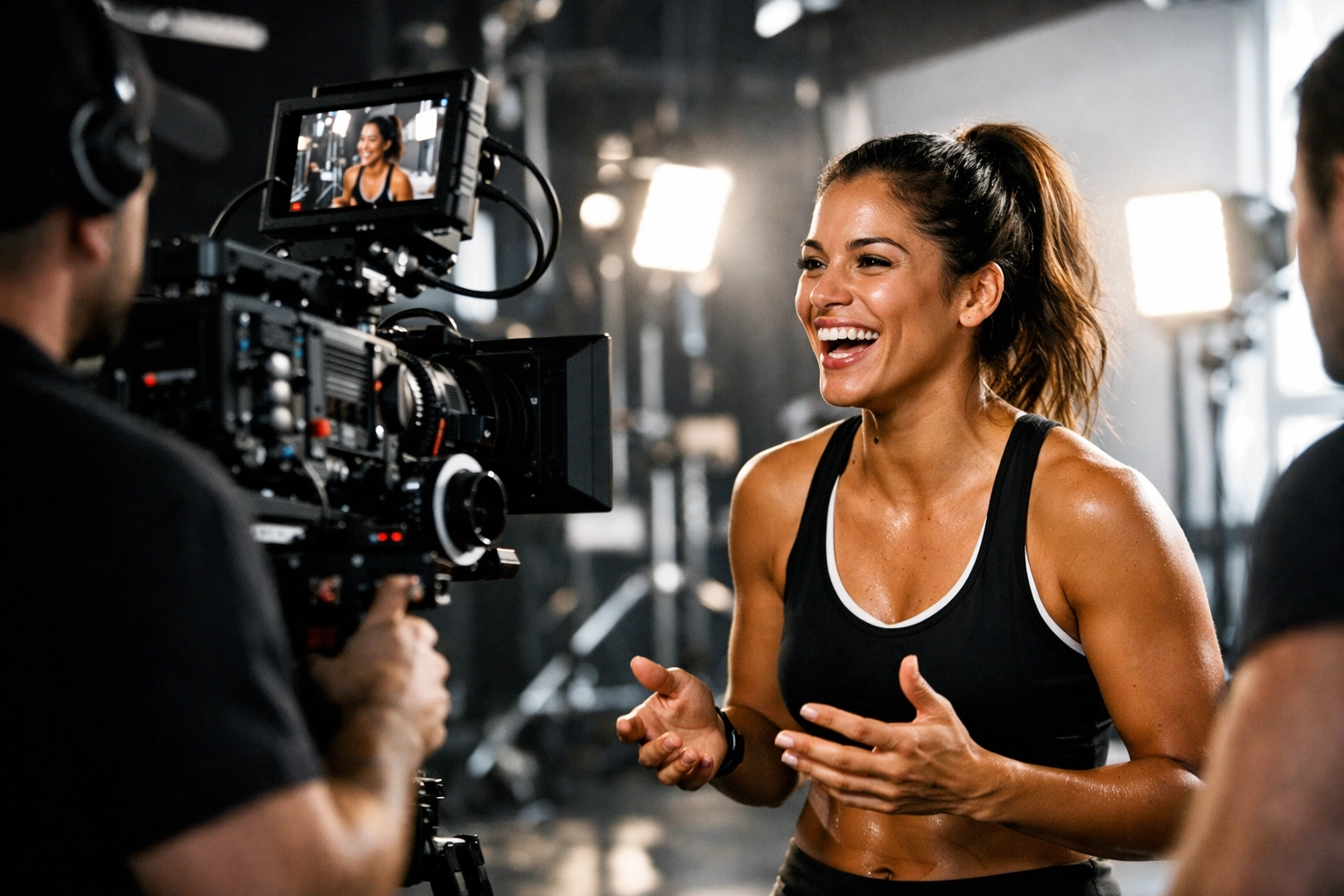
Static images are dying. In the NIL space, authenticity is conveyed through movement, voice, and raw emotion. Fortune 100 brands often over-produce their content, making it feel "corporate" and stripping away the athlete’s natural charisma.
The NIL revolution is best understood when you see it in action. To truly understand how we are bridging the gap at the Super Bowl, watch this breakdown of the current landscape:
https://www.youtube.com/watch?v=l6J-0zileKE
This video illustrates the high-stakes environment where sports, business, and entertainment collide. It isn't just about the game; it’s about the "bridge" we build between talent and enterprise.
6. Overlooking the "Niche to National" Scalability
Brands often make the mistake of thinking too small or too big, with no middle ground. They either sign a massive star for a generic national ad or sign a local athlete for a hyper-local campaign.
The most successful Super Bowl NIL strategies utilize a "hub and spoke" model. You lead with a high-profile athlete (the hub) and support them with several regional NIL stars (the spokes) who command specific markets. This creates a groundswell of support that feels national but acts local. It’s a strategy that resonates with the diverse audiences attending the Super Bowl from across the country.
7. The "One-Off" Trap
Perhaps the biggest mistake is the lack of a long-term vision. Many Fortune 100 companies treat the Super Bowl as an isolated event. They sign an athlete for a "Super Bowl Weekend" contract and then disappear.
Data shows that consumer trust is built through repetition. If an athlete is seen with your brand in October, January, and then during the Super Bowl in February, the association becomes "sticky." If they only appear once, it’s seen as a paid transaction. Building a year-long narrative ensures that by the time the Super Bowl kicks off, the athlete is synonymous with your brand values.

How to Fix Your Strategy: The Path Forward
So, how do Fortune 100 brands course-correct? It starts with a shift in perspective. NIL is not a line item in your social media budget; it is a pillar of your Media and growth strategy.
At USA Entertainment Ventures LLC, led by our CEO Dan Kost, we focus on the intersection of talent and corporate objectives. We help brands navigate the complexities of these seven mistakes by providing a roadmap for sustainable, high-impact partnerships.
Practical Steps for Your Next Campaign:
- Conduct Due Diligence: Vet your NIL talent not just for their stats, but for their brand alignment and historical behavior.
- Audit Your Contracts: Ensure you have the "Super Bowl Clause": the right to amplify content across all channels during the biggest sports month of the year.
- Invest in Production: Move away from "polished" and move toward "authentic." Use the athlete's natural voice and environment to tell your story.
- Plan for the Transition: If you are signing a college senior, have a plan for how that partnership evolves once they enter the professional league.
The "NIL Revolution" is here to stay. It has fundamentally changed the way we view the path to the Super Bowl. For brands willing to move past these seven mistakes, the rewards are immense: deeper engagement, higher trust, and a permanent place in the cultural conversation.

As we look toward the future of Technology and its role in sports marketing, the brands that win will be those that treat athletes as true business partners. The Super Bowl is the stage; NIL is the script. Make sure you’re writing a story worth telling.
For more insights into how we are shaping the future of entertainment and business consulting, explore our full portfolio or check out our latest updates in marketing and events. The gap is closing: make sure your brand is on the right side of it.





