
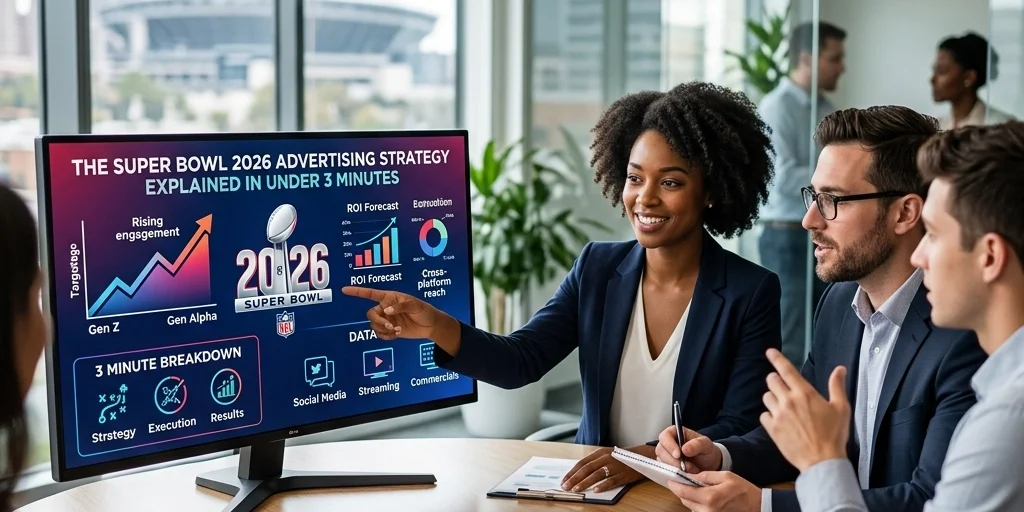
As we sit in May 2026, the dust has finally settled on one of the most technologically advanced sporting events in history. Super Bowl LX, which took place just a few months ago, wasn't just a championship game; it was a masterclass in modern marketing. For businesses looking to understand how the landscape of sports media has shifted, the 2026 strategy offers a blueprint that will define the next decade of consumer engagement.
At USA Entertainment Ventures LLC, we specialize in navigating these complex shifts. Whether you are a brand looking to break into the national spotlight or a firm seeking to refine your media presence, understanding the "why" behind the 2026 Super Bowl commercials is essential. Here is the breakdown of the Super Bowl 2026 advertising strategy, explained in under three minutes.
The 3-Minute Strategy Breakdown
If you only have a few minutes, here are the three pillars that defined the 2026 advertising playbook:
- Omnichannel Dominance: The 30-second TV spot is no longer the destination; it is the starting gun. In 2026, the most successful brands used "second-screen" experiences, where the television ad triggered immediate, interactive content on mobile devices via augmented reality (AR) and AI-driven chatbots.
- Hyper-Personalization at Scale: Data analytics reached a tipping point this year. While the broadcast was national, the digital overlays were local. Advertisers utilized programmatic buying to ensure that the "call to action" in an ad was tailored to the viewer’s specific geographic and demographic profile.
- Community-Led Narrative: The era of the "celebrity-only" ad has faded. The 2026 strategy leaned heavily on creator-led content. Brands partnered with influencers weeks before the game to build a narrative that culminated during the broadcast, ensuring the audience was already invested before the whistle even blew.

The High Stakes of the 2026 Ad Market
The financial commitment required for a Super Bowl presence in 2026 reached unprecedented heights. Industry reports suggest that a 30-second spot cost upwards of $7.5 million. However, the raw cost of the airtime is only a fraction of the total investment. When you factor in production, talent, and the essential digital "surround-sound" campaign, many brands spent over $20 million for a single Sunday.
Why would a company invest such a staggering amount? The answer lies in the scarcity of mass-audience attention. In a fragmented media world, the Super Bowl remains the final "campfire" where everyone gathers. For a business consulting firm or a consumer brand, this visibility provides a level of legitimacy and "social proof" that cannot be replicated through standard digital advertising.
The Super Bowl Playbook: Sports Media's Advertising Strategy
To dive deeper into the mechanics of these campaigns, we have curated a specific resource for our partners. "The Super Bowl Playbook" outlines the transition from traditional broadcasting to the hybrid model we see today.
One of the most significant shifts in the 2026 playbook was the integration of video-first storytelling across all platforms. You can see a prime example of this strategy in the following industry analysis:
https://www.youtube.com/watch?v=l6J-0zileKE
This video highlights how the 2026 ads moved away from simple humor and toward "emotional utility", ads that either provided a service, solved a problem, or invited the viewer into a larger social movement.
Digital Integration and the "Second Screen"
In 2026, the television was merely the centerpiece of a much larger digital ecosystem. Our team at USA Entertainment Ventures LLC observed that the most successful campaigns utilized the digital space to extend the life of an ad.
- QR Code Evolution: We saw the return of the QR code, but with a 2026 twist. Rather than just leading to a website, these codes unlocked limited-edition digital collectibles (NFTs) or provided "instant-buy" opportunities through integrated e-commerce platforms.
- The Power of Pre-Game: The "Super Bowl Sunday" strategy now starts in early January. Brands that released "teasers" and "behind-the-scenes" content on social media saw a 40% higher retention rate during the actual game broadcast.
- Post-Game Sustainability: The conversation no longer ends when the trophy is hoisted. Successful brands used the weeks following the game to re-target viewers who had engaged with their digital content, turning a 30-second impression into a long-term customer relationship.

The Role of AI in Creative Execution
Artificial Intelligence was the invisible hand behind the 2026 advertising strategy. From the initial scriptwriting phases to the real-time optimization of social media responses, AI allowed brands to be more agile than ever before.
For instance, several major retailers used AI to generate thousands of variations of their Super Bowl creative. While the core message remained the same, the background music, lighting, and even the featured products were swapped out in real-time based on the viewer's previous shopping habits. This level of precision ensures that the massive investment in airtime is not wasted on irrelevant messaging.
At USA Entertainment Ventures LLC, we believe that this technological integration is not just for the giants of the Fortune 500. Small and mid-sized businesses can adopt these same principles of data-driven creative and omnichannel outreach to maximize their own marketing budgets. You can learn more about how we apply these high-level strategies to various industries on our about us page.
Actionable Takeaways for Your Business
While you may not be ready to drop $7.5 million on a TV spot, the Super Bowl 2026 strategy offers lessons that any business can implement:
- Start the Conversation Early: Don't wait for your "big launch" to engage your audience. Build a narrative through social media and email marketing weeks in advance.
- Focus on Interaction: Give your audience something to do. Whether it’s a poll, a contest, or an interactive video, engagement is the key to retention.
- Use Data to Personalize: Even with a small budget, tools like Facebook and Google allow for deep targeting. Ensure your message resonates with the specific needs of your local audience.
- Analyze and Pivot: Use the post-campaign period to study your metrics. What worked? What didn't? The most successful Super Bowl advertisers are already planning for 2027 based on the data they gathered this February.
Looking Toward the Future
The 2026 Super Bowl marked a definitive end to the "broadcast only" era of sports media. We have entered a time where the physical and digital worlds are inextricably linked. For businesses, this presents a significant opportunity to reach consumers in more meaningful, impactful ways.
If you are looking to navigate this new era of entertainment and business consulting, USA Entertainment Ventures LLC is here to help. We invite you to explore our showcase of past projects or reach out to us directly through our contact page to discuss how we can elevate your brand's strategy.
As we look forward to the 2027 season, one thing is clear: the playbook is always changing. Staying ahead of the curve requires a commitment to innovation, a deep understanding of data, and the courage to tell a story that resonates. The 2026 strategy showed us that while the game is played on the field, the real victory is won in the hearts and minds of the audience.

Join the Conversation
What was your favorite ad from the 2026 game? Did the digital integrations make you more likely to engage with the brand? We are constantly monitoring the pulse of the industry and would love to hear your insights. For more information on our services and career opportunities, please visit our career opportunities page.
USA Entertainment Ventures LLC remains dedicated to providing the insights and strategic consulting necessary to thrive in this fast-paced environment. Whether it's through our newsletter, "The Super Bowl Playbook," or our direct consulting services, we are your partner in the future of entertainment.





