Remember the traditional computer lab? Rows of identical desktops, tangled cables, humming towers, and at least one keyboard missing a key. It served its purpose, but modern technology careers have moved well beyond “open a document and save it to the shared drive.”
Today, schools, colleges, workforce programs, and employers are rethinking Physical Infrastructure. Instead of building one large room full of general-purpose computers, many are developing smaller, specialized Pods designed around real-world projects and career pathways.
The result is a more flexible approach to Tech Education: one that can prepare learners for careers in Logistics, Cybersecurity, and Content Creation without treating every student like they are training for the same job.
What Is a Technology Pod?
A technology pod is a compact, purpose-built learning or work environment. It may include computers, specialized equipment, displays, networking tools, cameras, lighting, sound treatment, or other technology selected for a specific use.
A traditional computer lab asks, “What can we do with thirty similar computers?”
A pod asks, “What skills are we trying to develop, and what equipment will make that experience realistic?”
That difference matters.
A cybersecurity pod may be configured as an isolated network where students can safely test defensive tools. A logistics pod may include inventory scanners, data dashboards, sensors, and supply-chain simulations. A content-creation pod may function as a small production studio with cameras, microphones, editing stations, and streaming equipment.
Pods are not simply smaller computer labs. They are specialized environments that bring the tools and workflows of modern workplaces into education and training.
Why Traditional Computer Labs Are Showing Their Age
Traditional Computer Labs are often expensive to renovate and difficult to adapt. If an institution wants to change the room’s purpose, it may need new wiring, upgraded cooling, additional network infrastructure, and replacement hardware.
That makes the room a fixed investment in a fast-moving industry.
Technology changes quickly. A lab designed five years ago for basic programming may not have the graphics processing power needed for video production, artificial intelligence, or advanced simulation. A room built for individual assignments may also be poorly suited for team projects, incident-response exercises, or collaborative logistics planning.
Pods offer a practical alternative. Institutions can begin with one or two spaces, measure results, and expand over time. If a local employer needs more cybersecurity talent, the next investment can support cyber training. If a community has a strong transportation or distribution sector, a logistics pod may deliver greater value.
In other words, Physical Infrastructure becomes adjustable instead of permanent. That is useful because the future has not exactly promised to slow down and wait for a construction project.
Pods Make Tech Education More Career-Aligned
The strongest argument for pods is that they connect learning with specific outcomes. Students do not just use technology; they practice the type of work they may perform after graduation or transition.
1. Logistics Pods Turn Supply Chains Into Something Students Can See
Modern Logistics is powered by data. Professionals track inventory, coordinate transportation, monitor warehouse activity, manage delivery schedules, and respond to disruptions.
A logistics pod can simulate these conditions through:
- Inventory management dashboards
- Barcode and RFID scanning equipment
- Routing and scheduling exercises
- Warehouse and distribution simulations
- Shared displays showing real-time operational data
Students can work in teams to identify a bottleneck, reroute a shipment, or improve the flow of goods. That is more engaging than reading a definition of “supply chain optimization” on a slide and hoping nobody notices the presenter is also checking email.
This type of environment builds technical skills alongside communication, decision-making, and project management. Those transferable skills are valuable across transportation, manufacturing, defense, retail, and business operations.

2. Cybersecurity Pods Create Safe Places to Practice
Cybersecurity cannot be learned entirely through lectures. Students need opportunities to examine systems, identify vulnerabilities, respond to incidents, and understand how one compromised device can affect an entire network.
A cybersecurity pod can provide an isolated environment, sometimes called a sandbox. In plain language, that means learners can experiment without putting an institution’s production network at risk.
A well-designed pod may include:
- Separate servers and virtual machines
- Firewalls and network monitoring tools
- Simulated attack and defense scenarios
- Incident-response dashboards
- Resettable environments for repeated practice
Students can take part in Red Team and Blue Team exercises. One group attempts to identify weaknesses while another works to detect and stop the activity. Afterward, the class can review what happened and improve its response.
The DoD SkillBridge program describes its purpose as providing “valuable civilian work experience through specific industry training during the last 180 days of service.” That principle fits pod-based learning well: practical experience is often the bridge between technical knowledge and employment.
According to a U.S. Government Accountability Office review, SkillBridge offered thousands of opportunities through thousands of industry partners as of 2024. Secure, realistic training environments can help organizations prepare transitioning service members and other learners for technology-focused civilian careers.

3. Content-Creation Pods Reflect the Modern Workplace
Content Creation is no longer limited to film studios or advertising agencies. Businesses in nearly every industry need video, podcasts, social media, training materials, livestreams, presentations, and digital campaigns.
A content-creation pod can provide a controlled environment for learning:
- Video recording and editing
- Podcast production
- Livestreaming and broadcasting
- Graphic design and motion graphics
- Digital marketing and brand communication
Sound treatment reduces background noise. Dedicated lighting improves video quality. Shared editing systems support team projects. Students learn not only how to create content, but also how to plan, publish, measure, and refine it.
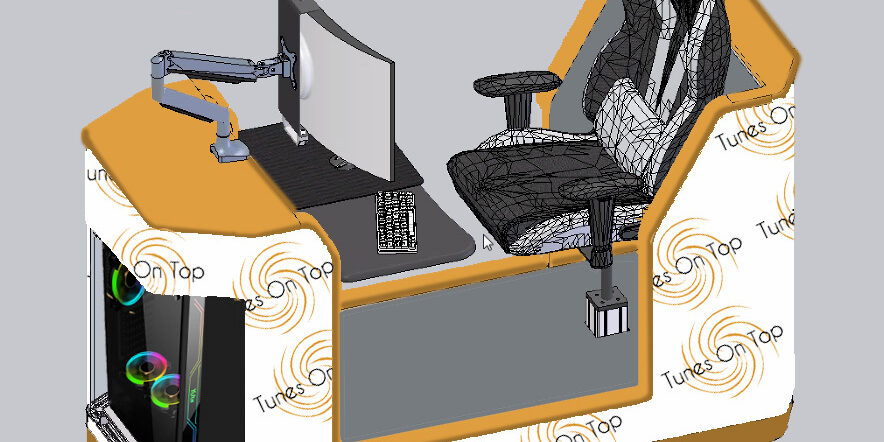
The USA Entertainment Ventures LLC E Sports Pod project illustrates how a controlled technology environment can support consistent equipment, competitive performance, and media production. The same concepts can be adapted for schools, colleges, workforce centers, and corporate training programs.

Pods Support Flexible Investment
Replacing a traditional lab does not necessarily mean removing every desktop or rebuilding an entire facility. A practical transition can begin with an assessment:
- Identify regional career needs and employer demand.
- Select one pathway, such as cybersecurity or logistics.
- Build a small pilot pod with measurable learning goals.
- Track participation, project quality, certifications, and job placement.
- Expand the model when the results support it.
This approach allows schools and organizations to match Physical Infrastructure with actual workforce priorities. It also creates opportunities for partnerships, internships, apprenticeships, and business development services.
For organizations planning a broader talent strategy, Building the Next-Generation Talent Funnel offers a related perspective: strong workforce pipelines begin before a candidate submits a resume.
The Computer Lab Is Evolving
The computer lab is not necessarily disappearing. It is becoming more focused, modular, and connected to career outcomes.
Pods provide a way to combine equipment, software, collaboration, and practical instruction in one environment. They help learners move from theory to application, whether they are monitoring a network, coordinating a shipment, or producing a professional video.
As Tech Education continues to evolve, institutions that invest in flexible Pods will be better positioned to respond to changing industries. The future of learning may not look like a giant room full of identical machines. It may look like a network of specialized spaces: each one designed to help people build skills that businesses and communities genuinely need.
The beige towers had a good run. Now it may be time to give the pod a turn.