
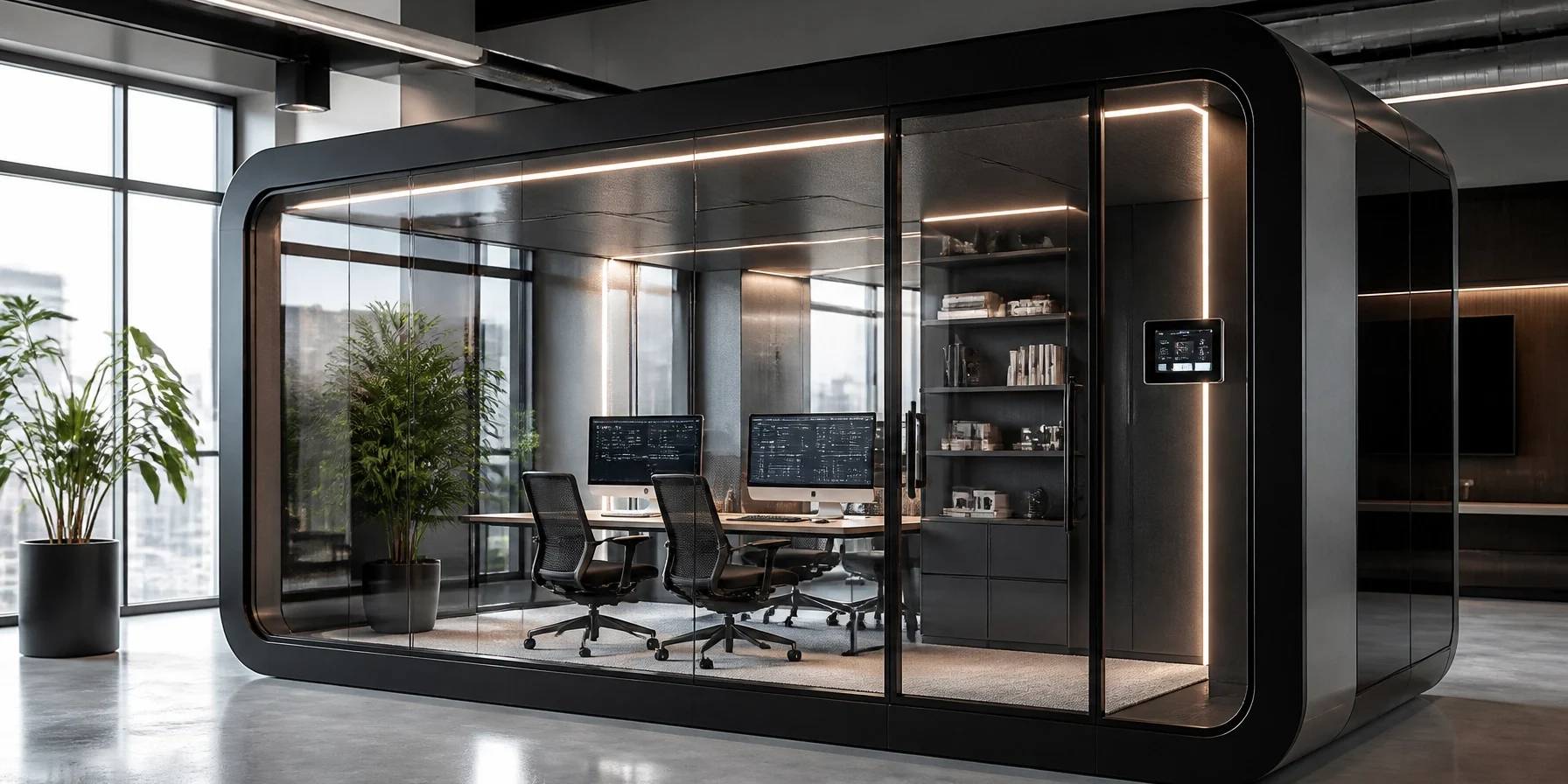
For decades, the "computer lab" was the undisputed heart of technical education and corporate training. It was a predictable landscape: rows of beige (and later, matte black) desktops, a labyrinth of tangled ethernet cables, and the low hum of cooling fans echoing in a windowless room. However, as we move deeper into the 2020s, this traditional infrastructure is rapidly becoming a relic of a bygone era. The rigid, one-size-fits-all model of the computer lab is struggling to keep pace with the hyper-specialized needs of modern industries.
Enter the "Pod." Modular, agile, and purpose-built, high-tech pods are fundamentally changing how organizations approach infrastructure for cybersecurity, logistics, and content creation. At USA Entertainment Ventures LLC, we have observed that the shift toward these specialized zones is not merely a trend in interior design, but a strategic necessity for businesses aiming to stay competitive in an increasingly complex digital economy.
The Infrastructure Shift: From Rows to Nodes
The traditional computer lab was designed for generalism. It provided 1-to-1 access to basic computing tasks: word processing, web browsing, and introductory software training. While these facilities served their purpose for basic digital literacy, they are increasingly viewed as "about as useful as a paper map in a GPS world" when it comes to high-fidelity, domain-specific workflows.
The primary limitation of the traditional lab is its lack of flexibility. Fixed wiring and uniform hardware make it nearly impossible to pivot between different technical disciplines. In contrast, pods are designed as "nodes" within a larger corporate or educational ecosystem. These specialized zones are built around specific workflows, allowing for high-density hardware configurations: such as GPU-heavy rigs for AI or isolated networks for security testing: that would be cost-prohibitive to deploy across an entire 50-seat lab.
Cybersecurity: The Rise of the Cyber Range Pod
In the realm of cybersecurity, the limitations of a standard computer lab are not just a matter of inconvenience; they are a security risk. Serious cyber training requires "sandboxed" environments where trainees can simulate attacks, analyze malware, and practice defense without endangering the organization’s primary network.

Isolation and Realism
High-tech cyber pods, often referred to as "Cyber Ranges," provide the physical and network isolation necessary for advanced training. These pods are equipped with specialized monitoring tools and AI-assisted Security Operations Center (SOC) dashboards. According to industry data, professionals trained in environments that mirror real-world SOCs are significantly better prepared for the stressors of a live breach.
Career Pathways and the DOD Skill Bridge
For veterans transitioning into civilian roles, these pods represent a critical bridge. Through initiatives like the DOD Skill Bridge, service members can leverage their tactical discipline within these high-tech environments. A cyber pod allows a transitioning veteran to move from a "battlefield" mindset to a "digital theater" mindset, utilizing industry-grade tools that are simply unavailable in a generic lab setting.
Logistics and Supply Chain: The "Mission Control" Model
Logistics has evolved far beyond simple inventory management. Today’s supply chain professionals manage complex, global networks of real-time data, IoT sensors, and autonomous fleets. A traditional lab layout, where everyone faces the front of the room, fails to facilitate the collaborative, "war-room" style communication required for modern logistics operations.

Digital Twins and IoT Integration
Logistics pods are designed to function as "Mission Control" centers. They often feature large-scale dashboard walls displaying "digital twins": virtual replicas of physical warehouses or transport networks. These pods allow teams to monitor inventory flows in real-time and run "what-if" simulations to optimize routes or respond to supply chain disruptions.
The move toward pod-based logistics training aligns with the services offered at USA Entertainment Ventures LLC, where managing complex business systems requires a blend of high-tech infrastructure and strategic oversight. By utilizing specialized pods, companies can ensure their logistics personnel are proficient not just in the theory of supply chains, but in the actual hardware and software interfaces used by global shipping leaders.
Content Creation: AI and the Multimodal Studio
Perhaps nowhere is the shift more visible than in content creation. The rise of generative AI, 3D rendering, and spatial computing has rendered the standard lab workstation obsolete. Creative work now requires immense GPU power and specialized acoustic environments that a row-based lab cannot provide.

The Modular Studio
Content creation pods serve as mini-studios, integrated with professional lighting, microphones, and green screens. These environments are optimized for the "capture → edit → review" cycle. For businesses, this means high-quality media can be produced in-house with a fraction of the footprint required by a traditional media wing.
The integration of AI into these pods is a game-changer. As generative AI becomes a standard component of the creative workflow, the infrastructure must support the rapid iteration and heavy processing loads associated with large multimodal models. A dedicated content pod provides the necessary thermal management and high-speed storage that a general-purpose lab lacks.
The Strategic Advantage of Modular Management
Transitioning from a lab-centric model to a pod-centric model is not just about upgrading hardware; it is about adopting a more agile business philosophy. At USA Entertainment Ventures LLC, we emphasize the importance of Managing high-tech assets to maximize their lifecycle and utility.
- Energy Efficiency: Pods can be powered down individually when not in use, significantly reducing the energy overhead compared to a full-sized computer lab.
- Scalability: Organizations can start with a single "Cyber Pod" and add a "Logistics Pod" or "Media Pod" as their needs evolve, rather than committing to a massive capital expenditure for a total lab overhaul.
- Talent Retention: Providing employees and trainees with state-of-the-art, specialized environments is a powerful tool for recruitment and retention. It signals that the organization is invested in the cutting edge of their specific field.
Actionable Takeaways for Your Organization
If your organization is currently relying on a traditional computer lab, it may be time to consider a phased transition to a pod-based model. Here are three practical steps to begin:
- Identify Your High-Fidelity Needs: Determine which departments require the most specialized hardware (e.g., Cybersecurity or Content Creation) and prioritize those for your first pod deployments.
- Embrace Modular Furniture and Infrastructure: Invest in mobile desks, modular wall systems, and overhead cable management that allow you to reconfigure spaces without a major construction project.
- Align with Career Pathways: Use these pods as a recruitment tool, particularly for specialized recruitment programs like the DOD Skill Bridge, to show candidates they will be working with the industry's most advanced tools.
The Future of the High-Tech Scene
The death of the computer lab does not mean the end of centralized technical spaces. On the contrary, it marks the birth of more vibrant, specialized, and effective hubs of innovation. As we look toward the future, the "pod" will likely become the standard unit of the high-tech workspace: a modular, powerful, and collaborative environment where the next generation of logistics experts, cybersecurity analysts, and creative pioneers will be forged.

By focusing on these specialized environments, businesses can ensure they are not just keeping pace with technology, but are actively shaping the future of their industries. Whether you are looking for Business Consulting or specialized recruitment support, the transition to pod-based infrastructure is a clear path toward operational excellence in a high-tech world.





