
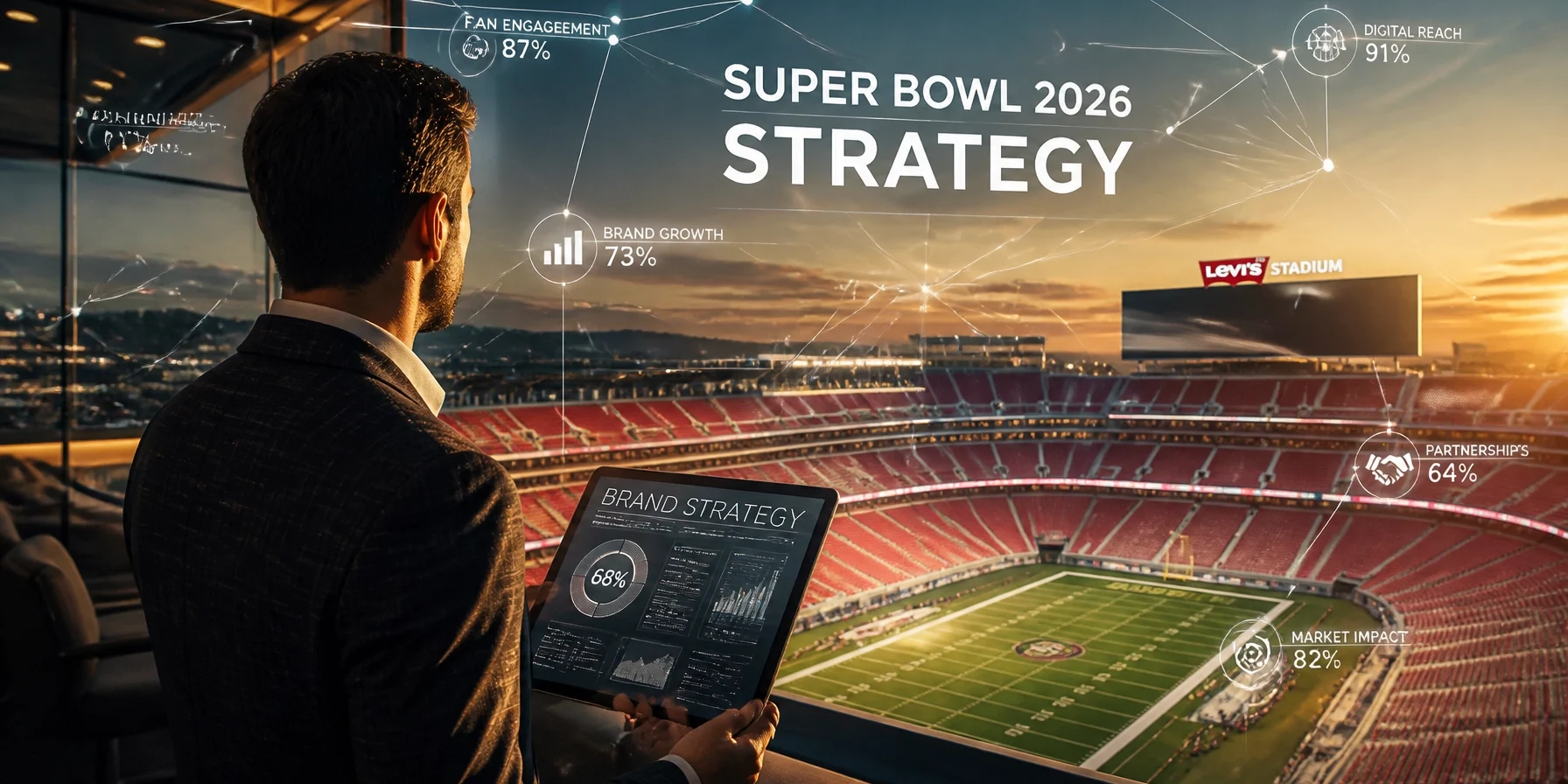
As the sports marketing landscape pivots toward Super Bowl LX in 2026 at Levi’s Stadium, the traditional 30-second television spot is no longer the solitary pinnacle of brand success. For Fortune 100 companies, the upcoming championship represents more than a single media moment; it is the culmination of a sophisticated, data-driven ecosystem where Name, Image, and Likeness (NIL) partnerships serve as the primary bridge between legacy brand authority and the next generation of consumers.
The shift is significant. Industry data indicates that while mass-reach media remains a critical component of brand awareness, the most effective Super Bowl strategies for 2026 will employ a multi-phase, omnichannel approach. This strategy leverages a portfolio of student-athletes as "always-on" creators, tightly integrated with AI-driven personalization and real-time second-screen behavior.
The NIL Revolution: Moving Beyond the "Logo Slap"
The emergence of NIL has fundamentally altered how major corporations interact with collegiate sports. No longer restricted to local endorsements, student-athletes have become cultural architects. For a Fortune 100 brand, the opportunity lies in combining mass-media muscle with thousands of niche, hyper-engaged creators to own both broad awareness and deep consumer consideration.
Expert analysis suggests that brands should treat NIL athletes as a core pillar of their Super Bowl system rather than a secondary digital add-on. This involves a shift from the traditional "celebrity endorsement" to a "creator partnership" model. By tapping into a network of over 20,000 authentic voices, brands can bypass the noise of the standard advertising block and enter the personal feeds of Gen Z and younger Millennials with unparalleled authenticity.

Bridging the Gap: The Three-Phase Strategy
To maximize ROI, a Fortune 100 NIL strategy must be structured across three distinct phases: Lead-Up, Game-Day, and the "Echo" period.
- Phase 1 – Lead-Up (Pre-Game Hype): Starting at least six months prior to the game, brands use NIL partners to tease creative storylines and test content hooks. This phase allows for A/B testing of messages that can later be scaled for the national broadcast.
- Phase 2 – Game-Day Execution: On Super Bowl Sunday, the focus shifts to real-time authenticity. While the TV spot airs, NIL athletes post reactions and "behind-the-scenes" watch party content that aligns with the brand's creative direction, driving immediate second-screen engagement.
- Phase 3 – The Echo (Post-Game Surge): The 72 hours following the game are critical. As traditional ad impact fades, NIL creators maintain the conversation by sharing highlight edits and integrating the product into post-game reflections, ensuring the brand remains top-of-mind throughout Q1.
As explained in the strategic overview below, bridging the gap between brand vision and athlete authenticity is the hallmark of modern sports marketing.
https://www.youtube.com/watch?v=l6J-0zileKE
Workforce Development and the DOD Skill Bridge Connection
One of the most profound innovations in NIL strategy is the integration of brand-building with workforce development. At USA Entertainment Ventures LLC, we recognize that NIL is not merely a marketing tool but a pipeline for future talent. This is where the DOD Skill Bridge program and the Air Chart Department intersect with corporate strategy.
Fortune 100 companies are increasingly looking to align their marketing spend with social responsibility and recruitment goals. By utilizing NIL platforms to support student-athletes not just as endorsers but as potential future employees, brands can demonstrate a commitment to long-term career readiness. Our specialized management services facilitate these connections, helping brands transition from transactional marketing to meaningful community investment.
This approach aligns with the growing trend of "Agentic Marketing," where AI and predictive analytics are used to place creative content in contextually relevant streams. It transforms a sports sponsorship into a comprehensive corporate initiative that benefits the brand, the athlete, and the broader societal ecosystem.

Data-Driven Decision Making: The Role of Predictive Modeling
For the modern executive, every dollar spent must be justified by measurable outcomes. The 2026 Super Bowl NIL strategy relies heavily on data-backed precision. By employing predictive modeling and fan sentiment analysis, brands can forecast the impact of their NIL roster before the first post is ever published.
USA Entertainment Ventures LLC utilizes the proprietary Sporttron digital network, providing access to ribbon boards and jumbotrons across 780+ venues nationwide. This allows for a synchronized branding effort where digital out-of-home (DOOH) assets in physical stadiums are mirrored and amplified by the athletes’ own social media content.
According to Dan Kost, owner of USA Entertainment Ventures LLC and a leader in conservation marketing, the goal is to "dominate the arena" by owning the environment from billboards to the very floors customers walk on. This comprehensive coverage ensures that the brand message is inescapable and deeply resonant.

Practical Takeaways for Fortune 100 Executives
To prepare for the 2026 NIL revolution, organizations should consider the following actionable steps:
- Establish a Portfolio, Not a Hero: Rather than relying on a single high-profile star, build a roster of 30–100 athletes who own specific niches and regional cultures.
- Integrate SaaS Solutions: Utilize advanced software-as-a-service (SaaS) platforms to manage compliance, contracts, and real-time content performance.
- Align with Career Readiness: Tie NIL initiatives to your recruitment and workforce development programs, leveraging the DOD Skill Bridge model to foster long-term loyalty.
- Leverage Hybrid Media: Combine physical assets (stadium signage) with digital NIL creators for a unified "surround-sound" brand experience.
Conclusion: Setting the Standard for Super Bowl LX
The path to success at Super Bowl 2026 is paved with authenticity, data, and a commitment to workforce excellence. For Fortune 100 brands, the challenge is no longer just about getting seen: it is about being integrated into the cultural fabric of the event through the voices that define it.
By moving beyond the traditional advertising playbook and embracing a sophisticated NIL ecosystem, companies can drive measurable business outcomes while contributing to the future of the American workforce. The moment of a lifetime is approaching; now is the time to align your vision with the unmatched expertise required to navigate this new terrain.
For more information on how to integrate NIL and workforce development into your 2026 strategy, visit our services page or contact our team to schedule a consultation.





