
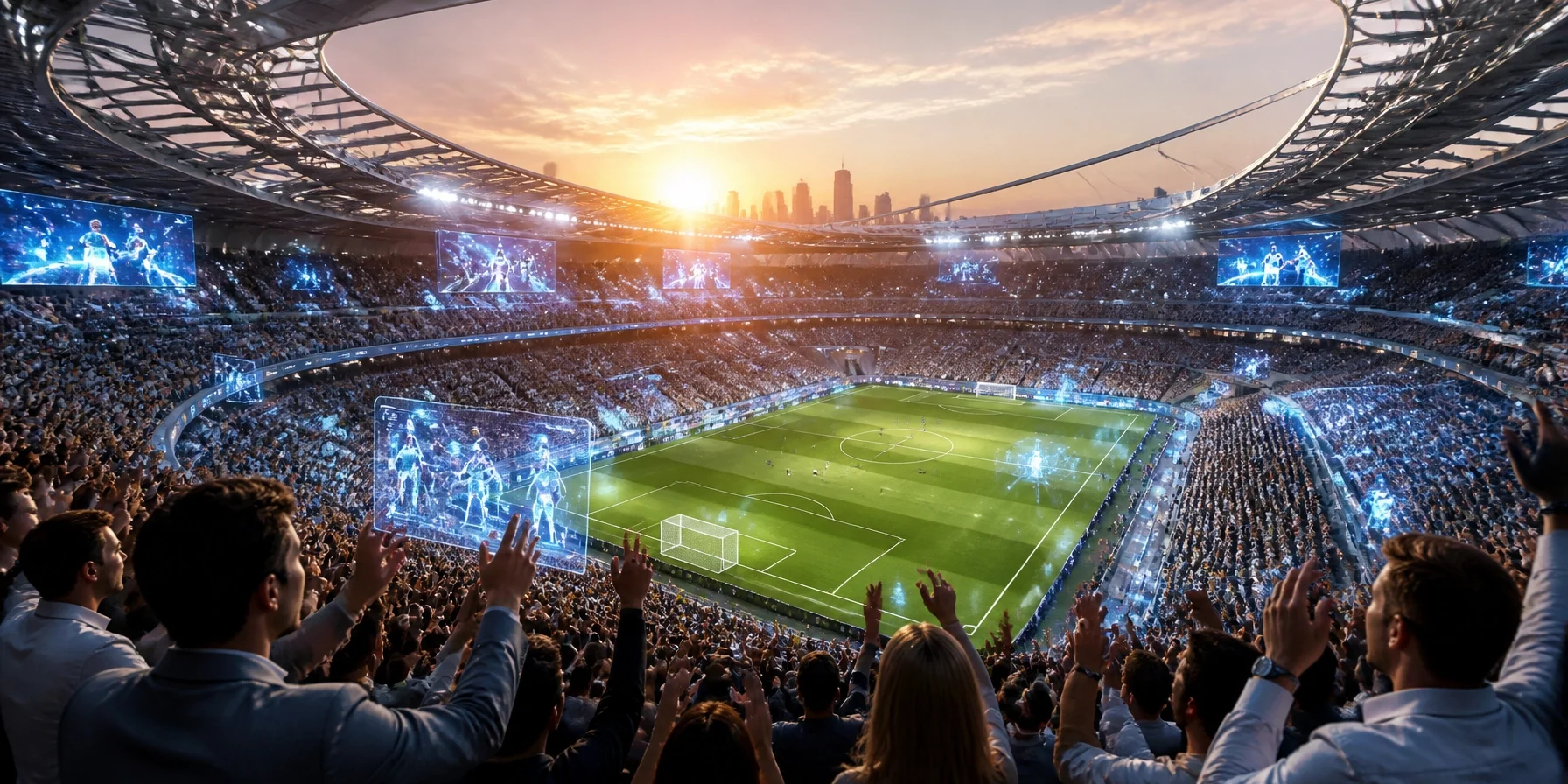
As we navigate the mid-point of 2026, the landscape of global marketing has undergone a profound transformation. The traditional methods of brand building: static television spots and broad-stroke billboard campaigns: have been replaced by a dynamic, data-driven ecosystem. Nowhere is this evolution more visible than in the summer sports fan experience. With the momentum of the FIFA World Cup 26™ and the residual impact of Super Bowl LX, businesses are forced to ask: Does branding still matter in an age of fragmented attention and algorithmic consumption?
The answer is a resounding yes, but the definition of "branding" has shifted. In 2026, branding is no longer just about a logo or a catchy slogan; it is about the integration of community, technology, and authentic storytelling. For companies like USA Entertainment Ventures LLC, this shift represents a significant opportunity to bridge the gap between entertainment, business development, and recruitment.
The Shift from Passive Viewing to Active Participation
The "Summer of Sports" in 2026 has demonstrated that fans are no longer content with being passive observers. Data indicates that over 61% of sports fans now prioritize highlight and clip culture over long-form viewing. The stadium has become "algorithmic," where the fan experience is dictated by personalized feeds, real-time social reactions, and athlete-creator storytelling.
For a brand to remain relevant, it must move beyond the "match-time" campaign and into a year-round ecosystem. This involves building owned fan hubs: digital environments where tickets, content, and commerce converge. This transition allows organizations to capture first-party data, a critical asset in a world where privacy regulations and the decline of third-party cookies have made traditional tracking nearly impossible. By utilizing advanced analytics, brands can provide hyper-personalized interactions, turning a single game into a sustained consumer relationship.

The Super Bowl Playbook: A Strategy for Sports Media
The recent Super Bowl cycle provided a masterclass in modern advertising. The "Super Bowl Playbook" is no longer a single 30-second investment; it is a multi-phase strategic framework. According to industry analysis, the most successful campaigns in 2026 follow a rigorous three-phase approach:
- Pre-Game Anticipation: Utilizing creator partnerships and behind-the-scenes teasers to seed the narrative weeks before the kickoff.
- Game-Day Amplification: Orchestrating real-time engagement across platforms like TikTok, Reels, and YouTube Shorts to complement the broadcast.
- Post-Game Conversion: Leveraging performance marketing and retargeting to turn cultural relevance into measurable business outcomes, such as sign-ups or retail sales.
This strategy is perfectly encapsulated in the recent insights from our sports media division. Watch the full breakdown of the 2026 advertising strategy below:
As emphasized in the video, "moments define your brand." To dominate the arena, brands must own the environment: from the digital ribbon boards of the Sporttron network to the tangible fan experiences found in high-touch concession platforms.
Bridging the Gap: From Sports to Business Development
At USA Entertainment Ventures LLC, we recognize that the lessons learned on the field are directly applicable to corporate managing and business development. The same principles of engagement and loyalty that drive sports fandom are the foundation of successful professional recruitment and consulting.
A key area of our focus is the DOD Skill Bridge recruitment program. Just as athletes transition through their careers, military members transitioning to the civilian workforce require a bridge that aligns their unique skills with corporate needs. Modern branding for recruitment means treating the potential employee as a "fan" of the organization: creating an ecosystem of trust, professional development, and community support.
The Role of DOD Skill Bridge in 2026
Recruitment in 2026 is no longer about just filling a seat; it is about mission alignment. By leveraging the DOD Skill Bridge program, we help businesses tap into a pool of disciplined, highly-trained professionals. The branding of these programs must reflect the same authenticity found in athlete-led content. It is about storytelling: highlighting the successful transition of veterans into leadership roles within divisions like our Air Chart Department.

Leveraging Data and AI for Predictive ROI
One of the most significant advancements in 2026 is the use of AI to prove Return on Investment (ROI). Traditional marketing often relied on "gut feel" or lagging indicators. Today, we utilize predictive modeling and fan sentiment analysis to understand the impact of every touchpoint.
For example, our Sports Media division uses AI to clean and analyze billions of rows of data, allowing us to identify individual fan preferences with surgical precision. This data hygiene is the backbone of any successful marketing effort. When you understand exactly who your audience is: whether they are a soccer enthusiast in a host city or a veteran looking for a new career path: you can tailor your message to resonate on a personal level.

Authenticity and the "Passion Fusion"
The "traditional fan" archetype has largely vanished. In its place is a phenomenon known as "passion fusion," where sports intersect with fashion, music, and social causes. Fans in 2026 are looking for brands that align with their lifestyle and values. This is why projects like Pure Box Water are so critical; they integrate sustainability with the sports experience, appealing to the environmentally-conscious consumer of today.
Authenticity is the currency of 2026. Athletes are now creators and community leaders, and their endorsements carry 52% more weight than traditional advertising. Brands that thrive are those that empower these voices rather than trying to control them. This level of transparency builds long-term equity that survives long after the summer tournament ends.
Actionable Takeaways for Businesses
To remain competitive in this evolving landscape, organizations should consider the following innovations:
- Establish Owned Digital Hubs: Do not rely solely on third-party social media. Build platforms where you own the fan data and the customer relationship.
- Prioritize Data Hygiene: Invest in AI tools that can consolidate fragmented data sources into a unified customer view. Clean data leads to a 2–3x increase in engagement rates.
- Embrace Short-Form Storytelling: Optimize your creative assets for the "algorithmic stadium." Focus on highlights, memes, and authentic reactions that are built for shareability.
- Integrate Specialized Recruitment: Utilize programs like DOD Skill Bridge to diversify your workforce with high-caliber talent, treating recruitment as a core component of your brand’s mission.

Conclusion: The Future of Branding
As we look toward the remainder of 2026 and beyond, it is clear that branding has not lost its relevance: it has gained a new level of significance. It is the bridge between a company’s values and the community it serves. Whether through the lens of a global sports tournament or the professional development of a transitioning veteran, the principles of engagement, data, and authenticity remain constant.
USA Entertainment Ventures LLC remains at the forefront of this shift, managing the complex intersections of entertainment, business, and recruitment. By adopting a forward-thinking, data-driven approach, businesses can ensure they are not just part of the conversation, but leaders of the industry.





