
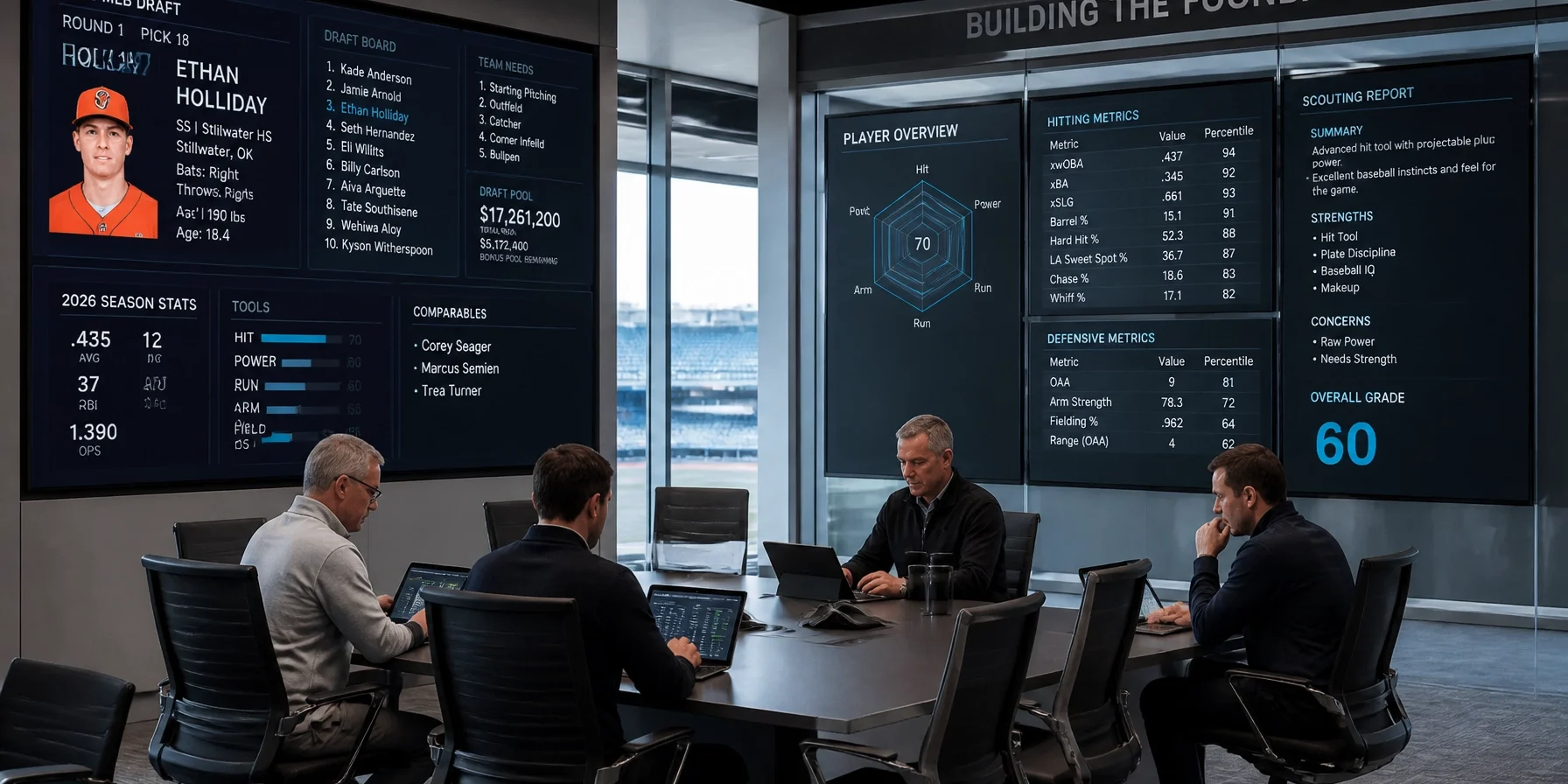
As the 2026 MLB Draft concludes, the selection of top prospects like Grady Emerson and Roch Cholowsky has provided more than just a glimpse into the future of professional baseball. It has served as a masterclass in modern workforce development. This year’s draft was defined by more than just raw athletic talent; it was a showcase of data-driven decision-making, sophisticated brand management, and a new level of media literacy that was virtually non-existent a decade ago.
For executives and educational leaders, the 2026 draft class represents a prototype for the "Future Ready" employee. The shift we are seeing in sports: where 18-year-old high schoolers and 21-year-old college juniors are treated as high-value corporate assets: is a harbinger of how all industries must soon identify, develop, and retain top-tier talent. At USA Entertainment Ventures LLC, we recognize that the frameworks used to draft an elite shortstop are the same frameworks required to build a resilient, tech-enabled workforce.
The Data-Driven Scouting Revolution: Insights from the Dashboard
The 2026 draft marked a turning point where the "eye test" was officially superseded by real-time data analytics dashboards. Organizations no longer rely solely on a scout's intuition; they utilize integrated platforms that track everything from exit velocity and launch angles to biometric stress responses and cognitive processing speeds.

Recent data from industry analysts suggests that 85% of MLB organizations now utilize predictive performance models to justify their first-round investments. These dashboards provide a level of transparency and accountability that mirrors the needs of the modern business environment. When we look at prospects like Emerson, who rose to the top of the boards, it wasn't just because of his swing; it was because his data profile indicated a high probability of success against elite-level pitching over a sustained period.
In the corporate world, this translates to the need for Future Ready schools to implement similar analytics in their career readiness programs. By tracking student progress through a data-driven lens, educational institutions can provide businesses with "scouting reports" that go beyond traditional GPA metrics, focusing instead on competency, adaptability, and specialized skill sets.
NIL Education: Creating the Entrepreneurial Athlete
The advent of Name, Image, and Likeness (NIL) legislation has fundamentally altered the development path of the modern athlete. By the time Roch Cholowsky was selected in the 2026 draft, he was not just a baseball player; he was already a small-business owner. The college pipeline: which accounted for approximately 60% of the top 10 picks this year: has become a breeding ground for entrepreneurial skills.
Student-athletes are now navigating complex endorsement contracts, tax implications, and brand partnerships while still in school. This shift requires a robust NIL Education framework that covers:
- Contract Literacy: Understanding the long-term implications of exclusivity and intellectual property rights.
- Financial Stewardship: Managing variable income streams and preparing for the massive signing bonuses associated with the draft.
- Brand Alignment: Ensuring that personal partnerships do not conflict with future professional obligations.
As one leading sports economist recently noted, "The NIL era has accelerated the professionalization of young talent. These athletes are entering the workforce with a level of business acumen that is years ahead of their peers." This entrepreneurial mindset is exactly what technology-driven companies are seeking in their next generation of leaders.
Media Literacy and the Digital Asset
In 2026, a player’s digital footprint is considered a primary asset: or a significant liability. The 2026 draft highlighted the critical importance of Media Literacy in workforce development. Players are now educated on how to manage their public narratives, engage with fans through diverse digital platforms, and mitigate the risks of high-stakes social media environments.

Media literacy is no longer an elective; it is a core competency for career longevity. Successful draftees are those who can navigate a press conference as skillfully as they navigate a shortstop's range. They understand that every post and every interview contributes to their overall market valuation.
USA Entertainment Ventures LLC emphasizes that this requirement extends far beyond the diamond. In an era of remote work and digital-first communication, every employee is a representative of their brand. Workforce development programs must prioritize media training to ensure that the next generation of talent can communicate effectively and professionally across all digital mediums.
USA Entertainment Ventures LLC: An Anchor for Future Ready Schools
To bridge the gap between educational output and industry demand, we must rethink the structure of our schools. USA Entertainment Ventures LLC serves as an anchor for Future Ready schools, providing the bridge between traditional academics and the high-tech reality of the 2026 workforce.

Our approach integrates industry-standard technology: such as the analytics dashboards used by professional teams: directly into the classroom. We support schools in developing:
- Specialized Labs: Environments that mirror real-world work settings in high-demand fields like data science, media production, and engineering.
- Industry Partnerships: Creating direct pipelines between students and corporations, similar to the relationship between college programs and professional scouts.
- Transition Programs: Much like our DOD Skill Bridge recruitment division, we facilitate the transition from one high-stakes environment to another.
The DOD Skill Bridge program is a prime example of successful workforce development. By helping military veterans transition into high-growth industries, we apply the same principles of scouting and development used in the MLB draft. We identify transferable skills, provide the necessary technical training, and place "vetted" talent into roles where they can succeed immediately.

Actionable Takeaways for Executives
The lessons of the 2026 MLB Draft are clear: talent identification must be data-driven, and talent development must be holistic. To stay competitive, executives should consider the following:
- Implement Predictive Analytics: Move beyond traditional hiring metrics and develop internal "scouting" systems that utilize data to identify high-potential candidates early.
- Prioritize Media Literacy Training: Invest in the digital communication skills of your current and future workforce to protect and enhance your corporate brand.
- Foster Entrepreneurial Thinking: Encourage employees to view their roles as "owners" of their personal brand and professional output, modeled after the NIL era's success stories.
- Engage with Future Ready Initiatives: Partner with organizations like USA Entertainment Ventures LLC to ensure that the educational pipeline is producing candidates ready for the challenges of 2026 and beyond.
Conclusion: The Future of Career Readiness
The 2026 MLB Draft was not just a sporting event; it was a demonstration of a sophisticated ecosystem that identifies and prepares elite talent for a high-stakes professional world. By adopting the data analytics, NIL education, and media literacy standards seen in this year's draft, businesses and schools can create a more resilient and capable workforce.
The future belongs to the "Future Ready." Whether in the dugout or the boardroom, the winners will be those who can leverage data, manage their brand, and adapt to the ever-evolving demands of the digital economy. At USA Entertainment Ventures LLC, we are committed to anchoring this transition, ensuring that the next generation is drafted for success.





