
Remember the classic computer lab? The low, oppressive hum of fluorescent lights, the scent of overheated plastic, and fifty identical beige monitors glowing like a digital purgatory. You sat in a rigid chair, stared at the back of someone else's head, and pretended you weren't playing Minesweeper when the professor wasn't looking.
Well, wipe away the nostalgic tear. That era is officially dead.
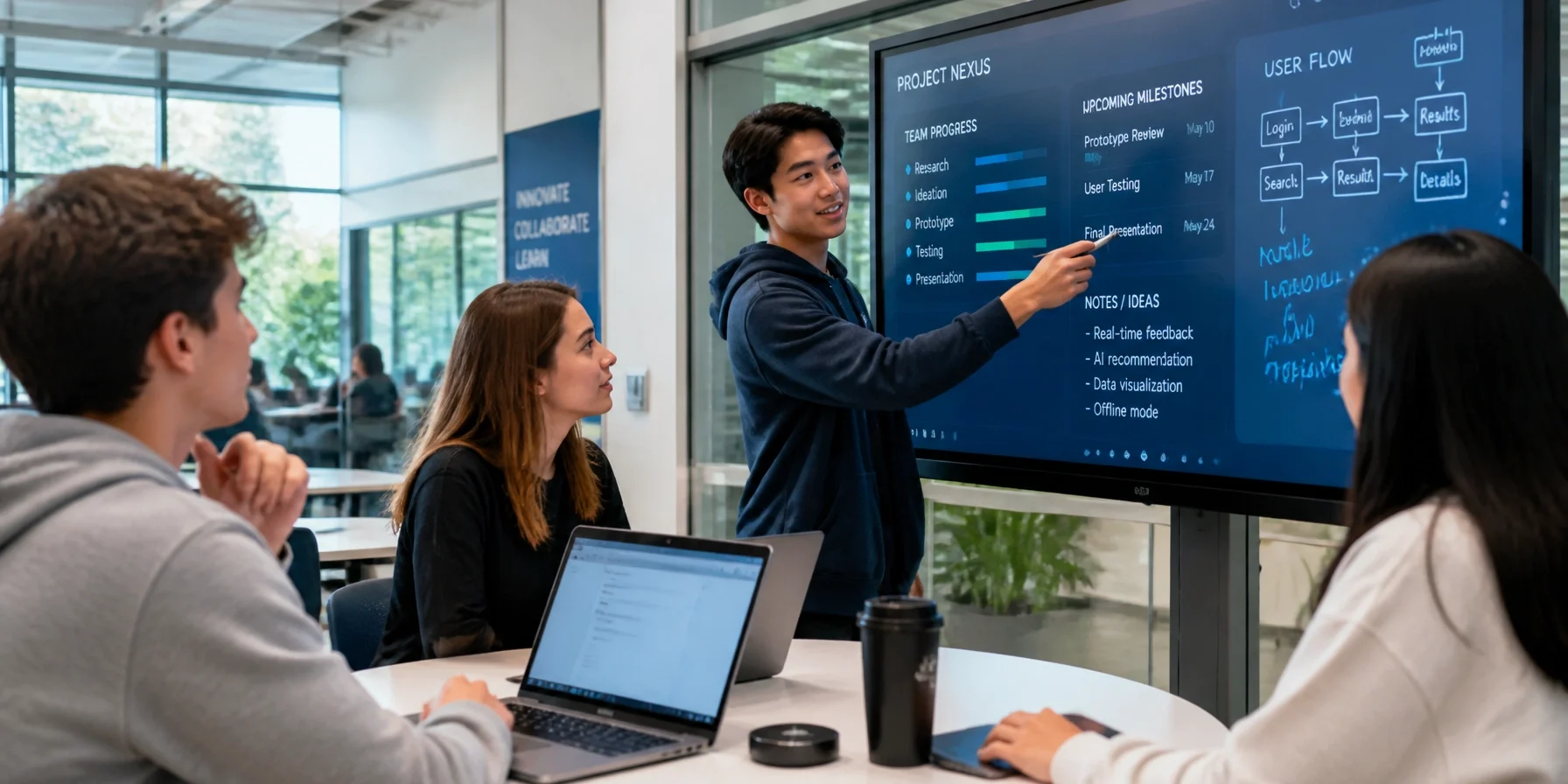
Today, Physical Infrastructure is undergoing a massive, much-needed reinvention. We are watching the swift, decisive exit of the old-school computer room and the glorious rise of Pods. If you haven't stepped onto a modern campus or corporate training floor lately, you might be surprised to find that Computer Labs are being traded in for modular, high-performance, coffee-fueled innovation pods.
And frankly? It’s about time.
The Problem with Rows and Columns
Let’s be honest: traditional labs were built for an industrial assembly line, not twenty-first-century problem solving. They assumed every learner needed the exact same hardware, the exact same software, and the exact same sterile environment. But real work doesn't happen in rows of isolated cubicles. It happens in squads, in huddles, and across dynamic ecosystems.
In modern Tech Education, rigidity is the enemy of agility. When a school or enterprise tries to teach cutting-edge engineering or digital operations using thirty-year-old classroom architectures, students suffer. You can't simulate a chaotic supply chain breakdown or a live cyber attack when everyone is silently staring at a generic word processor.
Enter the pod revolution: self-contained, acoustically tuned, hyper-connected micro-environments designed to mimic actual workplace realities.
What Makes Pods So Revolutionary?
Unlike their dungeon-like predecessors, pods are modular and plug-and-play. They bundle compute power, networking, specialized hardware, and ergonomic comfort into a tight footprint that can be dropped into an open lobby, a converted warehouse, or a university center in a matter of days.
Instead of forcing everyone into one massive room with astronomical heating and wiring costs, organizations can distribute specialized pods across different zones. Need to scale up a training cohort? Drop in another pod. Need to shift focus from software coding to hardware prototyping? Swap the interior setup without gutting the building.
It's smart, flexible, and: dare we say: a lot more fun. But don't just take our word for it. Let's look at how this physical upgrade is transforming three distinct industries.
1. Logistics: Navigating the Supply Chain Maze

Supply chain management used to mean staring at dense spreadsheets until your eyes crossed. Today, logistics training demands real-time visibility, predictive routing, and IoT simulation.
Specialized logistics pods provide students and professionals with interactive digital twins of global shipping lanes, automated warehouse robotics controls, and inventory management dashboards. Trainees don't just read about bottlenecks; they sit inside a dedicated command hub where they can manipulate live variables, test rerouting strategies on multi-screen displays, and experience the adrenaline of a port congestion crisis: all before lunch.
2. Cybersecurity: The High-Stakes War Room

You can't learn how to defend against a sophisticated ransomware attack in a quiet library corner. You need an environment that feels alive, urgent, and secure.
Cybersecurity training pods are built for action. Featuring multi-monitor setups running live threat-tracking dashboards, these pods act as miniature tactical operations centers. Learners split into red teams (the hackers) and blue teams (the defenders), practicing intrusion detection, incident response, and threat mitigation in isolated, high-security micro-zones. It transforms abstract code into a high-stakes chess match, building the exact muscle memory needed in modern security operations centers.
3. Content Creation: Where Media Meets Tech

Let’s not forget the digital storytellers. In the old days, media production meant booking a massive, expensive studio or struggling with terrible acoustics in a converted broom closet.
Content creation pods solve this by packing studio-grade acoustics, professional-grade podcasting microphones, ring lights, and high-speed editing rigs into sleek, soundproof micro-studios. Whether students are cutting video essays, recording remote interviews, or producing interactive marketing campaigns, these pods give them hands-on access to professional workflows without requiring a multi-million-dollar facility budget.
Paving New Career Pathways
Ultimately, upgrading physical infrastructure isn't just about buying cooler furniture or flashing neon lights. It’s about unlocking career pathways. When learning spaces mirror actual industry environments, students transition from "classroom mode" to "workplace mode" seamlessly.
By embracing agile spaces, institutions can bridge the gap between academic theory and practical execution, helping graduates and trainees step into real-world responsibilities with greater confidence from day one.
The Future Is Modular
The computer lab isn’t just getting a makeover; it’s being entirely reimagined. By decentralizing technology into agile, specialized pods, we are building a more resilient, engaging, and effective foundation for the next generation of innovators.
So, raise a glass to the humble pod. It’s time to leave the beige boxes behind, step out of the straight-line rows, and build learning spaces that actually match the speed of the future.





