
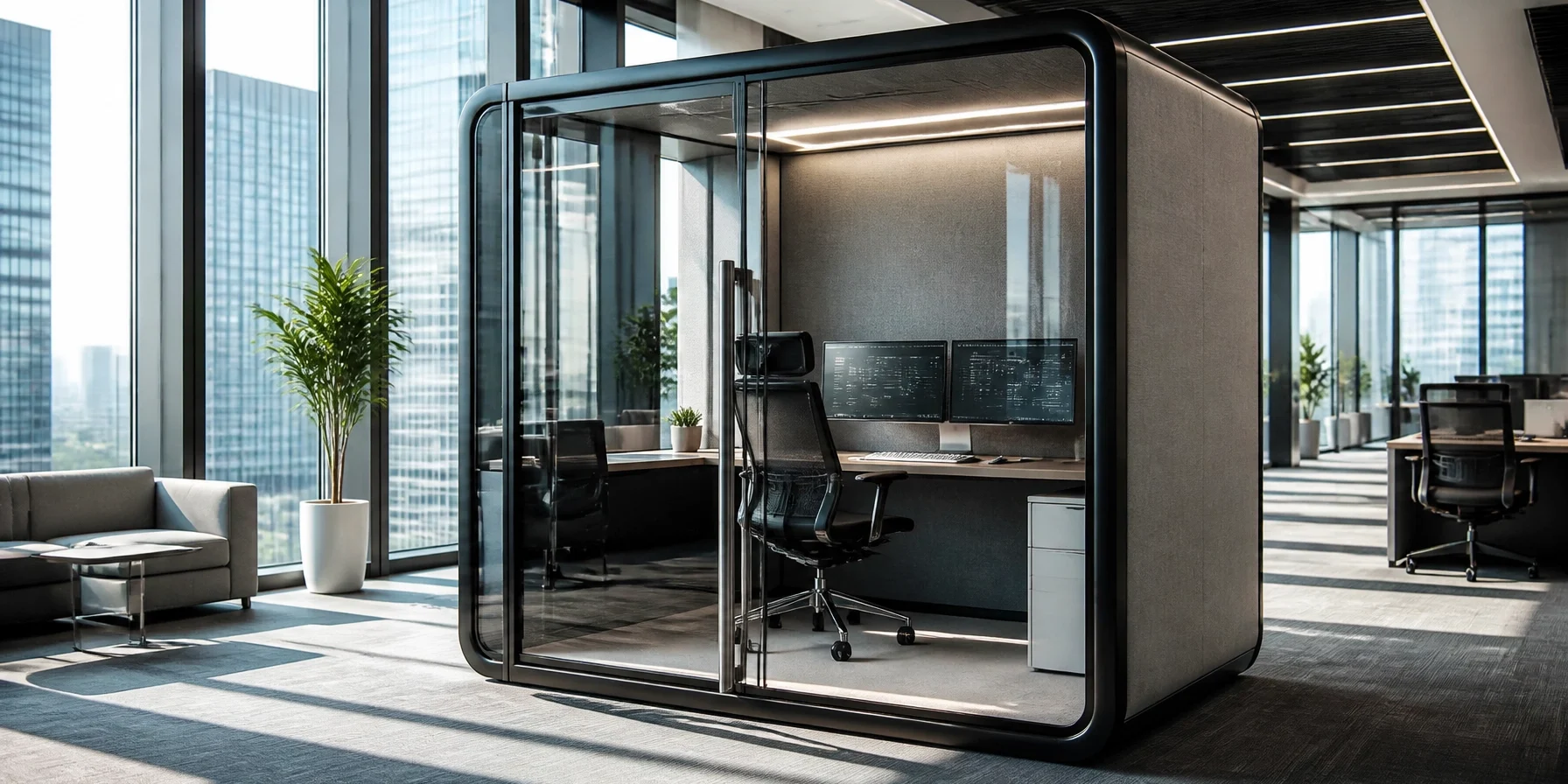
For decades, the "computer lab" was the undisputed heart of technical education and professional development. It was a room defined by rows of identical, beige towers, a tangle of Ethernet cables, and the low hum of cooling fans. However, as we move further into the 2020s, the physical landscape of tech training and work is undergoing a radical transformation.
The traditional, static computer lab is not necessarily dying, but it is evolving into something far more agile, specialized, and effective: the modular pod. At USA Entertainment Ventures LLC, we have observed that the shift toward these "pods" is not merely an aesthetic choice; it is a strategic response to the demands of modern tech careers in logistics, cybersecurity, and content creation.
The Pivot from Static Labs to Flexible Pods
The decline of the traditional computer lab format is driven by several converging trends. First, the rise of "Bring Your Own Device" (BYOD) policies has reduced the need for institutions to provide every single workstation. According to recent industry reports, many universities and corporate training centers are repurposing large lab spaces into collaborative work cafés or "flexible learning spaces" that prioritize connectivity and comfort over fixed hardware.
However, a critical need remains for high-end, specialized environments that a standard laptop cannot provide. This is where modern pods come into play. These are self-contained, often soundproofed units designed for deep focus or specific technical tasks. They offer the power of a lab with the privacy and flexibility of a private office.
As highlighted by recent research into IT workforce training trends, 71% of learning professionals are now experimenting with AI to personalize training content. Delivering this level of personalized, hands-on experience requires an infrastructure that can adapt to the learner’s specific career path, rather than a one-size-fits-all room of desktops.
Logistics: Simulating the Modern Supply Chain
In the field of logistics and operations, the "pod" serves as a command center. Modern logistics is no longer just about moving boxes; it is a data-driven science involving complex supply chain management software, real-time tracking, and AI-driven routing.

For career pathways in logistics, a dedicated pod allows a trainee or professional to manage multiple data streams in a distraction-free environment. These units can be configured to simulate warehouse management systems or global distribution hubs. By utilizing specialized docking stations and multi-monitor setups, pods provide the "real-world" feel of a high-stakes operations center.
At USA Entertainment Ventures LLC, our management services emphasize the importance of these physical and digital infrastructures in streamlining business development. The transition to modular pods allows logistics firms to scale their operations teams rapidly without the need for massive, permanent renovations.
Cybersecurity: The Need for Controlled Environments
Cybersecurity is perhaps the most compelling argument for the shift toward modular tech pods. Training for a career in cybersecurity requires "cyber ranges": virtual environments where students can practice incident response and threat hunting in a safe, isolated space.

Traditional open-plan labs are often ill-suited for the sensitivity of cybersecurity work. Pods offer:
- Visual and Auditory Privacy: Essential for high-stakes simulations and the deep concentration required for coding and analysis.
- Hardware Isolation: Secure pods can be equipped with specialized networking gear that remains separate from the main building's infrastructure, reducing the risk of cross-contamination during malware analysis.
- Team-Based Training: Modular pods can be clustered together to form a "Security Operations Center" (SOC) simulation, where small teams collaborate on defense drills while maintaining their individual focus zones.
The focus on hands-on, skills-first training in cybersecurity aligns with our commitment to DOD SkillBridge recruitment. Transitioning service members often possess the discipline and technical foundation required for these roles, and training in professional, pod-based environments helps bridge the gap between military service and civilian tech careers.
Content Creation: The Modular Studio
The explosion of the creator economy has made content creation a legitimate and highly technical career path. From video editing and 3D modeling to podcasting and streaming, the hardware and acoustic requirements are significant.

A traditional computer lab is far too noisy for high-quality audio recording and lacks the specialized lighting and color-accurate displays needed for professional video production. Content creation pods solve this by integrating:
- Acoustic Treatment: Sound-dampening materials that allow for studio-quality voiceovers.
- Integrated Production Gear: Built-in mounts for cameras, microphones, and professional lighting.
- High-End Processing: The ability to house powerful GPUs required for 4K rendering and AI-assisted editing tools.
By adopting these modular studios, companies can turn any corner of their office into a professional media production hub. This flexibility is a cornerstone of our digital services and showcase programs, where we highlight how modern tools can elevate a brand’s presence.
The Business Case: Why Pods Win on ROI
From a management perspective, the switch to modular pods is a matter of fiscal and operational efficiency. The initial investment in high-quality pods is often offset by several factors:
- Scalability: You can add or move pods as your team grows, unlike built-in computer labs which are expensive to remodel.
- Energy Efficiency: Climate control and lighting are localized to the occupied pod rather than an entire room.
- Recruitment and Retention: Providing professionals with high-end, private, and ergonomic workspaces is a significant draw in a competitive talent market.
At USA Entertainment Ventures LLC, we believe that infrastructure should support human potential, not constrain it. Whether you are a business looking to upgrade your training facilities or a professional looking for the next step in your tech career, the shift toward flexible, pod-based environments represents a bright future.
Looking Ahead: The Future of Tech Workspaces
As we project current trends into the future, it is clear that the "lab" of tomorrow will be a network of specialized hubs. These spaces will continue to bridge the gap between education and employment, providing the tools and environment necessary for the next generation of logistics experts, cybersecurity analysts, and digital creators.
For those interested in exploring these career pathways: particularly through programs like DOD SkillBridge: we encourage you to reach out to our team. We are dedicated to managing the transition into these high-growth industries with the right tools and the right talent.
Are you ready to step out of the rows and into the future? Contact us today to learn more about how we are shaping the future of business development and recruitment.





