
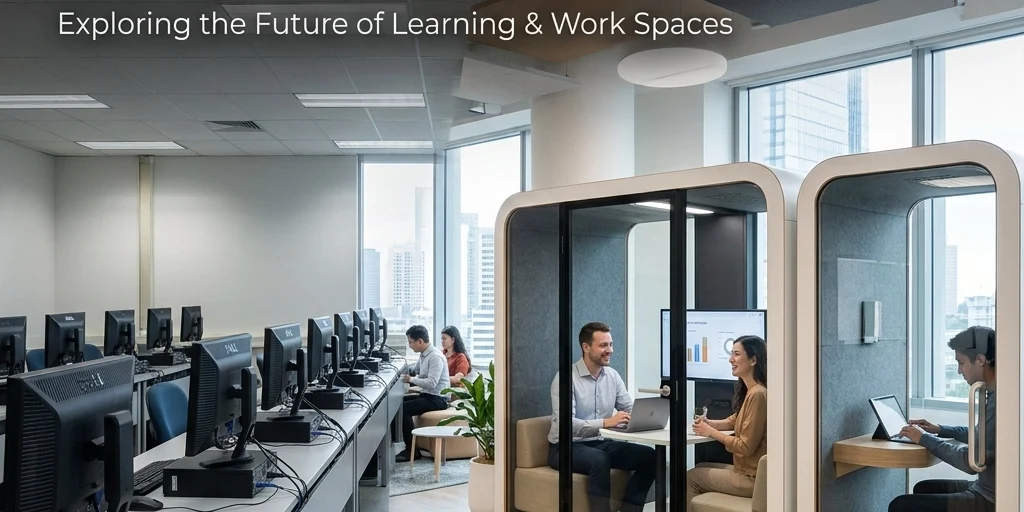
If you close your eyes and think of a "computer lab," you probably smell a specific scent: a mix of ionized air, dust trapped in carpet squares, and that weirdly metallic aroma of 40 humming CPUs. You likely see rows of identical beige, or later, sleek black, monitors where students or employees sit side-by-side, staring at the same generic software, doing the same generic tasks.
For decades, the computer lab was the crown jewel of physical infrastructure in schools and corporate training centers. But as we head further into 2026, those rows are looking less like a hub of innovation and more like a graveyard of missed opportunities.
The verdict? The traditional computer lab isn’t just resting; it’s being replaced by something much more agile, specialized, and, frankly, cooler: The Pod.
The Great Uncoupling of Computing
In the old days, the physical infrastructure was built around the machine. You had to go to the computer because the computer didn't come to you. Today, everyone has a supercomputer in their pocket and a laptop in their bag. This "ubiquity of access" has forced a rethink of why we need dedicated physical spaces for technology at all.
If you just need to check your email or write a report, you can do that at a coffee shop or on your couch. But if you are training for a career in cybersecurity, high-end content creation, or advanced logistics, a standard laptop, or a standard "row-style" lab, won't cut it.
This is where the concept of the "Pod" takes center stage. Instead of a one-size-fits-all room, a Pod is a modular, specialized environment designed around a specific career pathway. It’s the difference between a massive, lukewarm buffet and a Michelin-star tasting menu. One gives you everything and excels at nothing; the other gives you exactly what you need to master a craft.
Why Pods are the New MVP
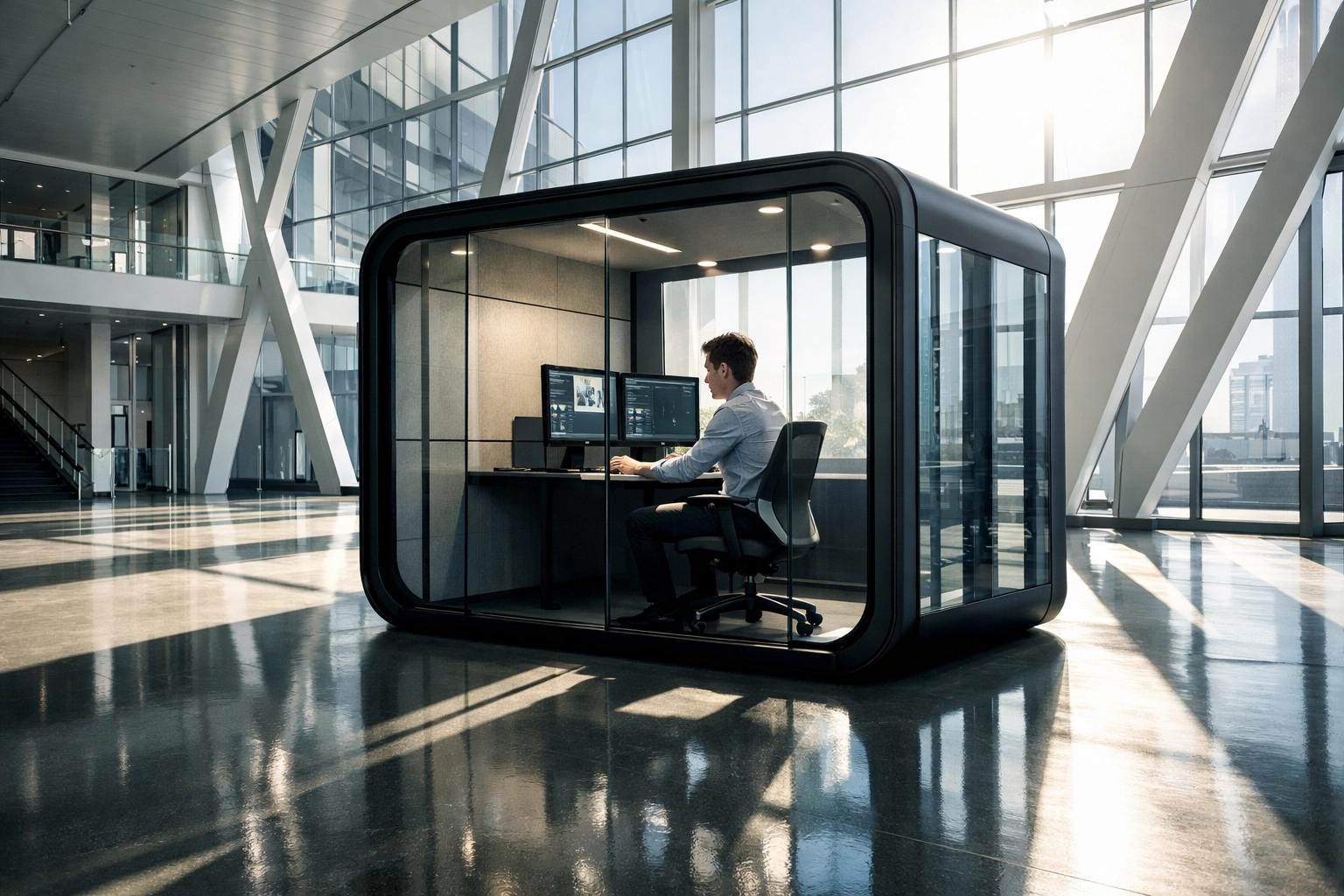
Research into modern learning environments shows that institutions implementing pod-based infrastructure are seeing cost savings of between 50% and 75% compared to maintaining massive, generic labs. Why? Because you aren't over-provisioning hardware for people who don't need it.
At USA Entertainment Ventures LLC, we often see how physical infrastructure impacts business efficiency. In the world of business consulting, we look for "force multipliers", tools or structures that make every hour of work more productive. Pods are the ultimate force multiplier.
1. The Cybersecurity Pod: The "Sandbox" of the Future
Cybersecurity isn't learned by reading a textbook; it’s learned by breaking things and fixing them. A traditional lab is often connected to a school or company's main network, making it a liability if a student wants to practice with actual malware or penetration testing.
A Cybersecurity Pod is a physically isolated infrastructure. It’s a "sandbox" where the digital walls are high. These pods feature dedicated servers, specialized monitors for multi-layered data visualization, and the physical space for "Red Team vs. Blue Team" exercises. It creates a professional workflow that mirrors a real-world Security Operations Center (SOC). By the time a student leaves a pod, they aren't just "tech-literate", they are battle-tested.
2. The Content Creation Pod: Beyond the Webcam
In 2026, content is the currency of business. However, "content creation" has moved far beyond a person talking into a shaky smartphone. Professional-grade production requires specialized lighting, soundproofing, and high-performance rendering stations.
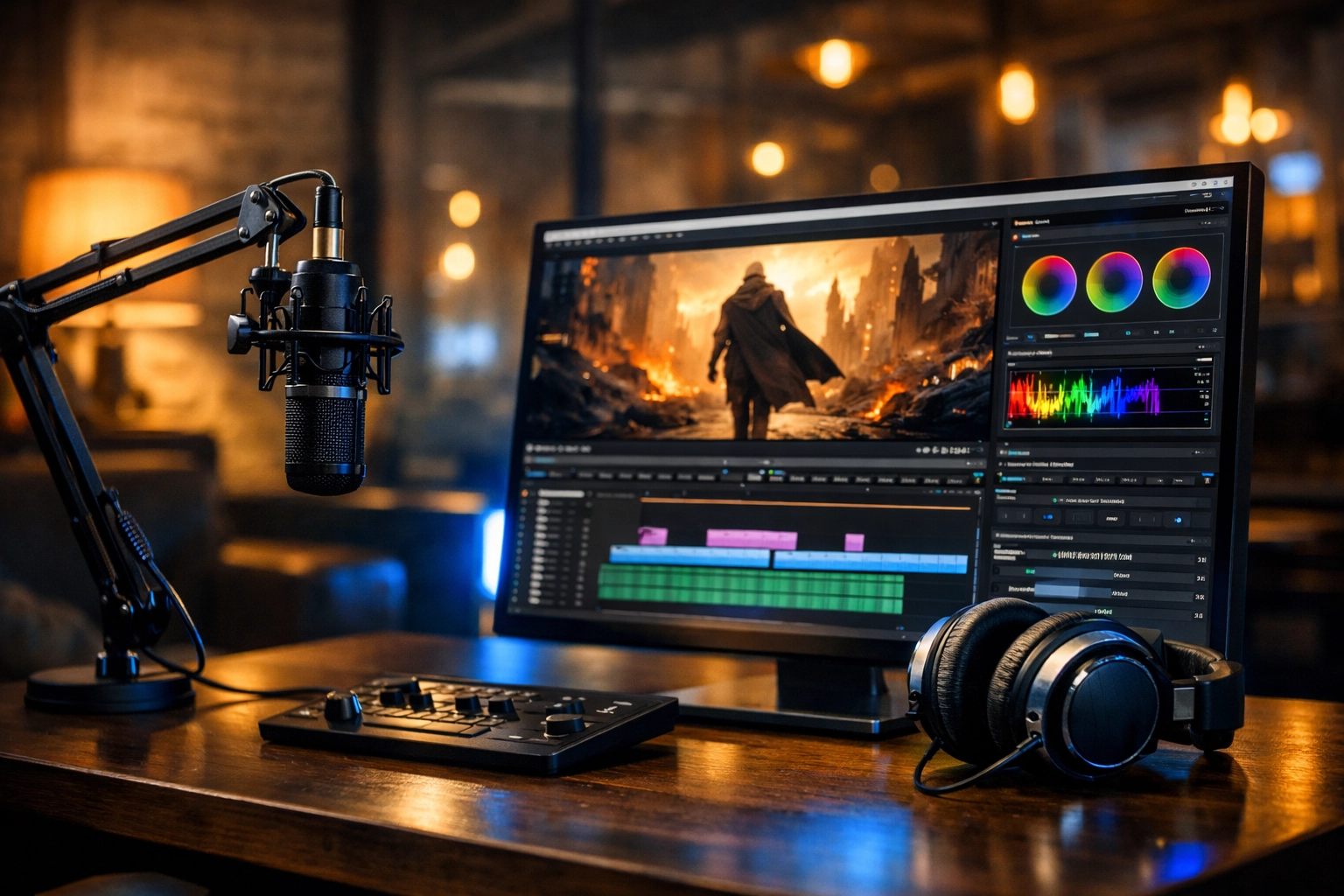
Content Creation Pods integrate professional audio interfaces, 4K (or 8K) editing arrays, and green-screen capabilities into a compact footprint. Instead of an entire room being a "media lab," you can have three or four specialized pods. One might be optimized for podcasting and audio engineering, while another is a powerhouse for 3D animation and VR development. This allows multiple career pathways to coexist in the same building without interfering with each other.
3. The Logistics and Supply Chain Pod: The Physical Meets the Digital
Logistics is perhaps the most underrated career pathway of the decade. As global trade becomes more complex, the need for logistics experts who can manage "digital twins" of warehouses is skyrocketing.
A Logistics Pod isn't just a desk; it’s a command center. It might include VR headsets for simulating warehouse floor layouts or multiple screens for real-time tracking of global shipping data. This type of physical infrastructure allows trainees to visualize the movement of goods in a way that a standard desktop simply cannot provide. It’s about merging physical movement with digital precision.
The Economics of the Pod
You might be wondering: "Is building specialized pods more expensive than one big room of PCs?"
Actually, no. The modular nature of pods means they can be scaled according to demand. If your cybersecurity program grows, you add a pod. If your logistics program shrinks, you can repurpose that physical space for something else without having to gut an entire floor of wiring and specialized desks.
Furthermore, student and employee engagement rates are significantly higher in pod-based environments. Generic labs often feel like "holding pens": places where people go because they have to. Pods feel like "studios" or "labs": places where people go because they want to create. This psychological shift leads to better retention and faster skill acquisition.

Bridging the Access Gap
We have to address the elephant in the room: access equity. One of the strongest arguments for keeping traditional computer labs has always been that not everyone has a computer at home. According to recent data, fewer than 10% of some districts report that every student has access to high-speed devices outside of school.
The transition to pods doesn't mean we ignore these people. In fact, it serves them better. Instead of giving a student without a computer access to a generic machine that can only do basic tasks, we give them access to a Pod that provides a professional-grade experience they couldn't dream of having at home.
Pods turn a school or training center from a "place with computers" into a "gateway to specialized careers." It levels the playing field not by providing the lowest common denominator, but by providing the highest level of professional infrastructure to everyone, regardless of their background.
The Path Forward: How to Transition
If you are an administrator or a business leader looking at your aging computer lab, the transition to pods can feel daunting. However, it’s a journey that happens one step at a time.
- Identify High-Impact Pathways: Don't try to "pod-ify" everything at once. Start with the careers that require the most specialized gear: usually cybersecurity or media production.
- Modular Furniture is Key: The "Physical" in physical infrastructure matters. Look for furniture that can be moved, reconfigured, and that offers built-in cable management and acoustic shielding.
- Think About Connectivity: Pods rely on high-speed internal networks. Ensure your building’s backbone can handle the data-heavy requirements of 2026 workflows.
- Partner for Success: At USA Entertainment Ventures LLC, we look at how media and technology intersect to create value. Consulting with experts who understand the "Entertainment" and "Business" side of tech can prevent you from buying expensive equipment that will be obsolete in six months.
A New Era of Physical Spaces
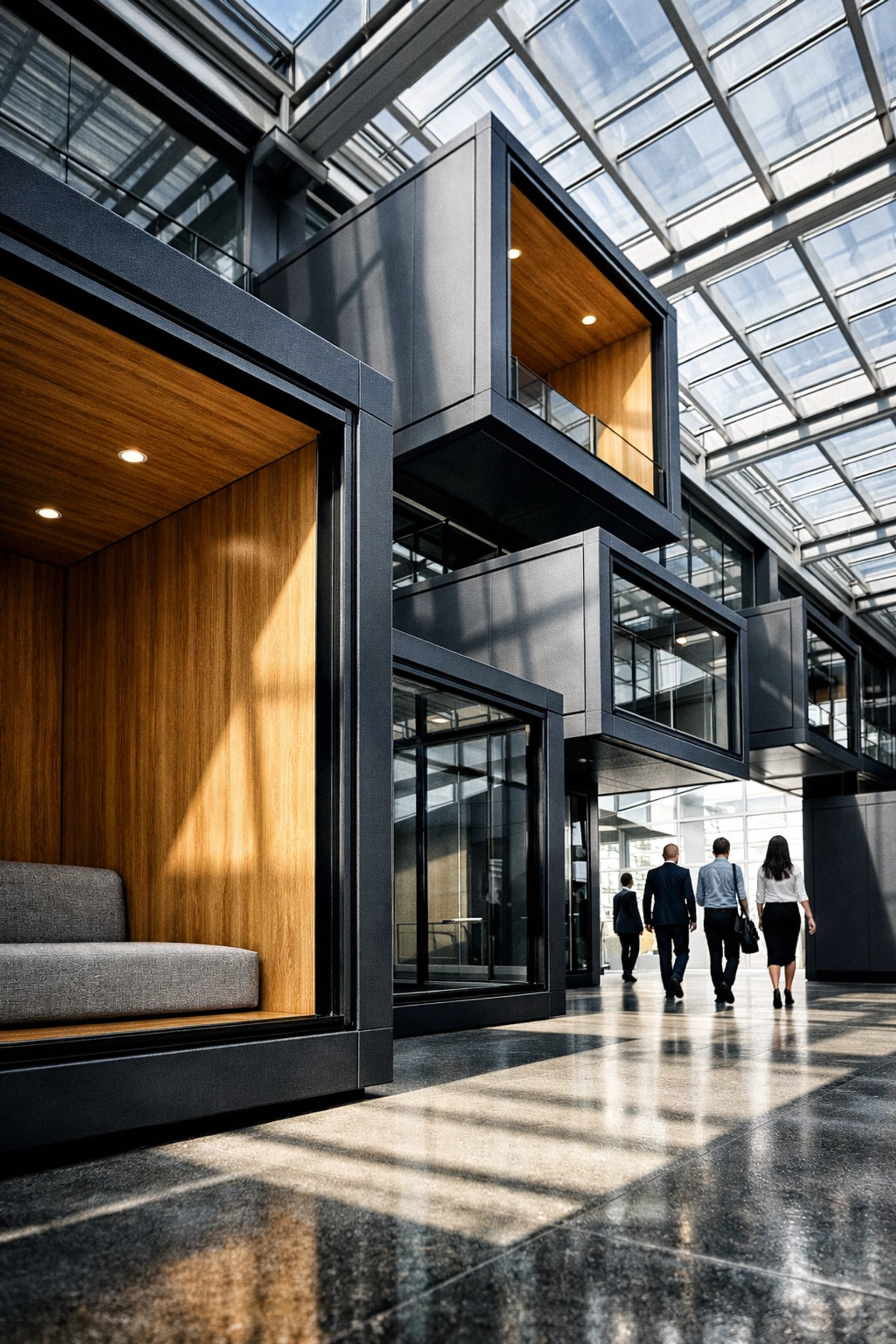
The "death" of the computer lab isn't a tragedy; it’s an evolution. We are moving away from the era of "computer literacy" (which we’ve mostly achieved) and into the era of "technical mastery."
Mastery requires the right environment. It requires a space that says, "What you are doing here is important, specialized, and professional." Whether it's securing a network, managing a global supply chain, or creating the next viral media franchise, the infrastructure we build today will determine the success of the workforce tomorrow.
The rows are gone. The pods are here. It’s time to step inside.
For more insights on how physical strategy and video technology are changing the way we do business, check out our thoughts on Super Bowl advertising strategies or explore our full range of ventures.
The future of infrastructure isn't just about the hardware: it's about the experience. Are you ready to upgrade?





