

Remember the traditional computer lab? The smell of industrial carpet and ozone, the rows of beige towers, and that one printer that was perpetually "out of toner" even though no one had used it since 2004? For decades, the computer lab was the holy grail of educational and professional infrastructure. It was the only place you could access the "high-speed" internet or run software that would cause your home desktop to go into cardiac arrest.
Fast forward to April 2026, and those windowless rooms are increasingly being treated like artifacts in a museum. The "beige ghost" of computing past is fading, but it isn’t disappearing, it’s evolving. As students and professionals move toward personal device ownership and cloud-based SaaS models, the demand for static, row-based labs has plummeted. However, a new physical hero has emerged in the workspace landscape: The Pod.
For those in logistics, cybersecurity, and content creation, the Pod isn't just a desk; it’s a high-tech command center. It’s the physical infrastructure that bridges the gap between remote flexibility and the high-octane power required for modern industry.
The Decline of the "Row-and-File" Lab
According to recent data, institutions like the Illinois Institute of Technology have slashed their physical PC counts by nearly 50% over the last few years. Why? Because the world went mobile. We carry more processing power in our pockets today than a 1990s lab had in its entire room. With the rise of cloud computing and remote licensing, the "need" to go to a specific room to use a specific program has vanished for the average user.
But "average" doesn't run the global supply chain, and "average" doesn't stop state-sponsored cyber-attacks.
While the general-purpose computer lab is dying, specialized physical infrastructure is seeing a massive resurgence. This is where the concept of "Pods" comes into play. Unlike the old-school labs designed for word processing and basic web browsing, Pods are purpose-built, modular environments designed for specific career pathways.
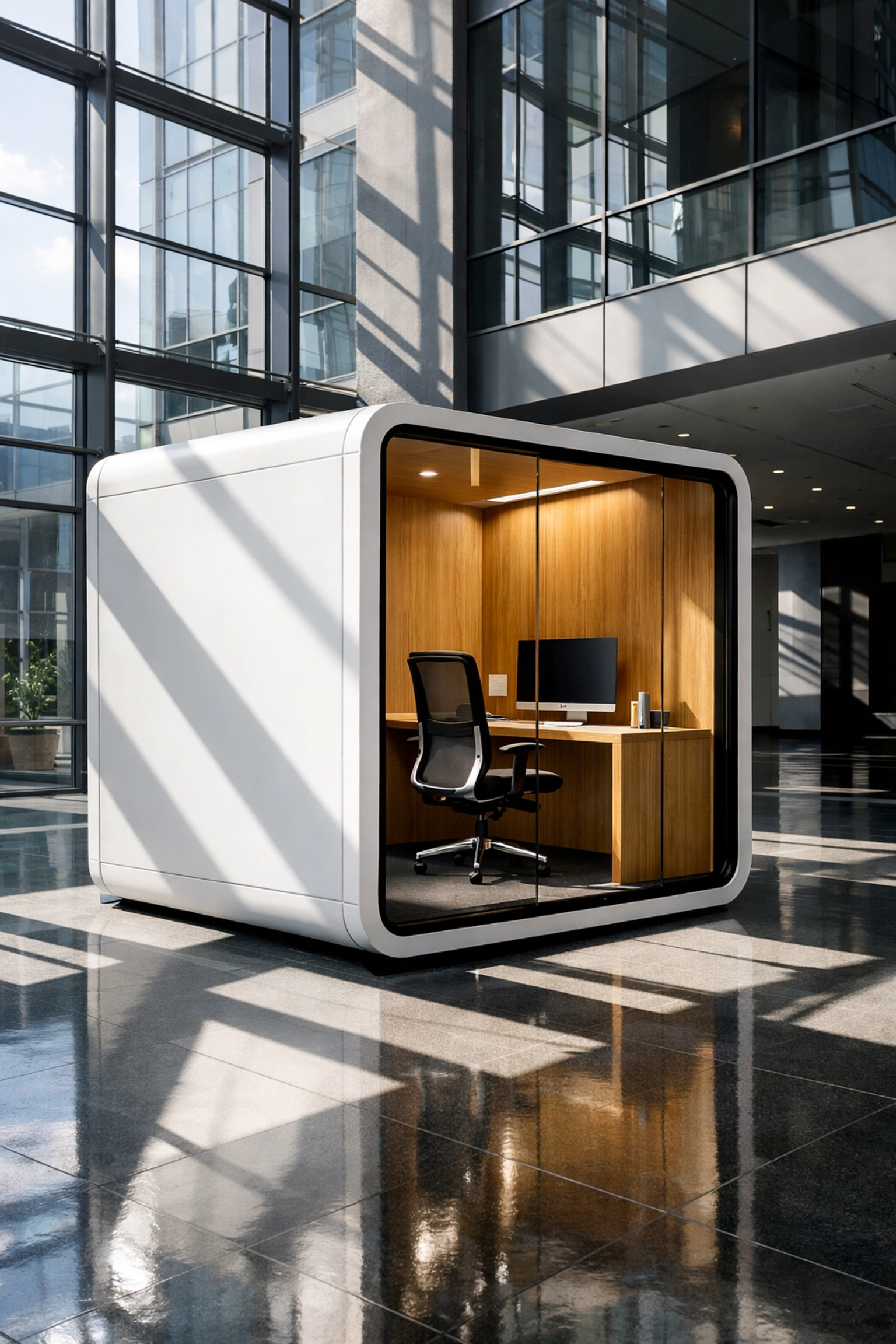
Logistics: The Pod as a Global Cockpit
When you think of "logistics," you might still picture a guy with a clipboard standing behind a truck. In 2026, that image is about as accurate as a rotary phone. Modern logistics is a high-stakes game of data science, AI-driven routing, and real-time global tracking.
For a logistics professional, a standard laptop screen just doesn't cut it. They need "The Pod." These modular setups are equipped with multi-monitor arrays that allow a single operator to track weather patterns in the Atlantic, port congestion in Long Beach, and local delivery drones in suburban Denver simultaneously.
The Pod serves as a physical hub that integrates hardware with IoT (Internet of Things) sensors. In this environment, a logistics pro isn't just a "manager", they are a pilot. This specialized infrastructure allows for:
- Redundant Connectivity: You can’t afford a Wi-Fi hiccup when managing a fleet of autonomous vehicles.
- Ergonomic Endurance: Managing global crises requires focus, and Pods are designed for long-term cognitive performance.
- Collaborative Isolation: Pods allow individuals to work in their "flow state" while remaining physically adjacent to their team for rapid-fire troubleshooting.
For those looking into career opportunities, the logistics field is no longer about heavy lifting; it’s about heavy data. And that data requires a Pod.
Cybersecurity: Building the Digital Fortress
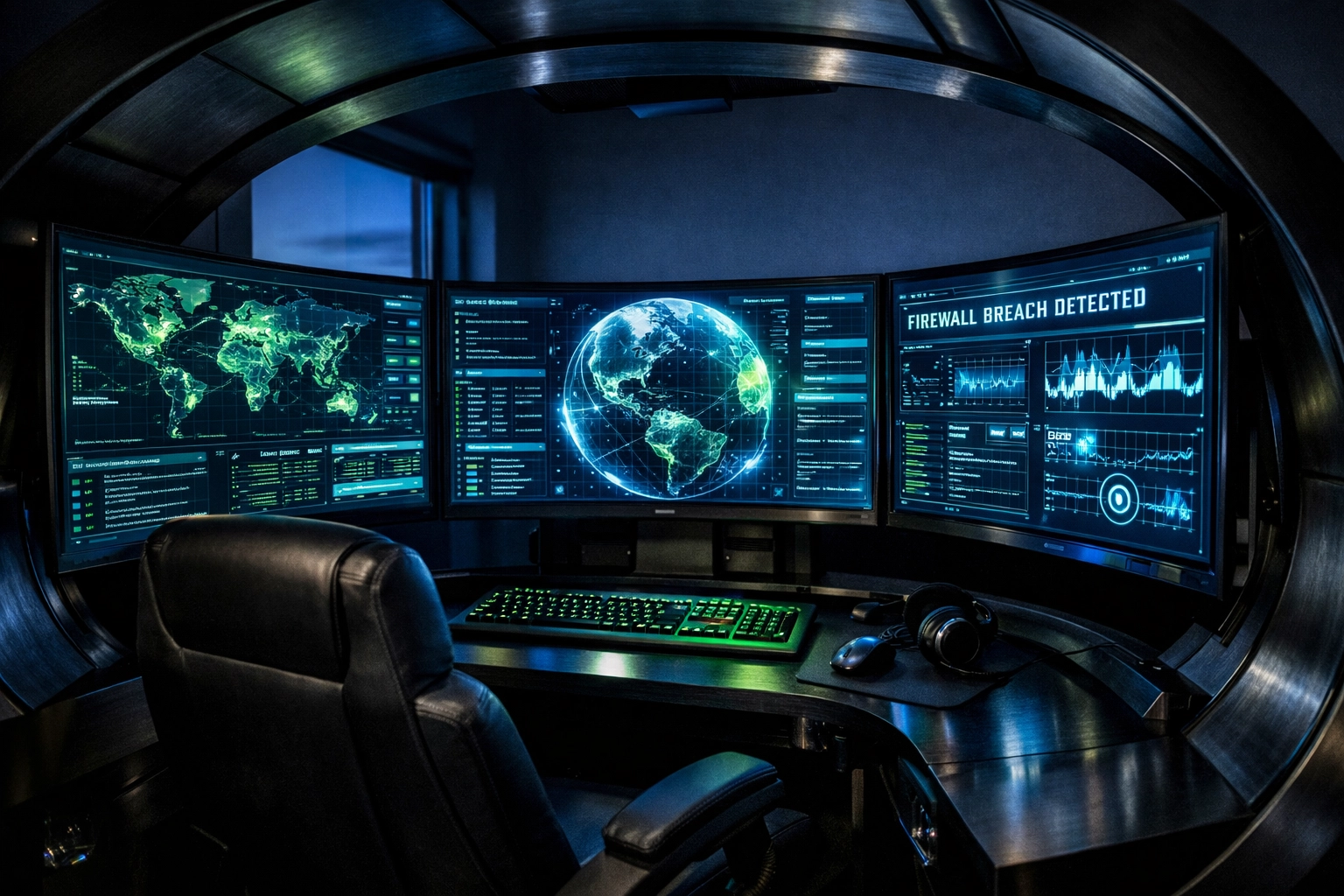
If logistics is about movement, cybersecurity is about the wall. The old computer lab was a nightmare for security; shared machines are petri dishes for malware. The new Cyber Pod, however, is a different beast entirely.
Cybersecurity professionals require "air-gapped" environments or highly controlled networks to test vulnerabilities without risking the main grid. A Pod provides a localized, secure hardware environment where a "Cyber Sentry" can monitor threats in real-time.
In these hubs, the physical layout is designed to mirror the digital stakes. We are seeing a trend where cybersecurity education and professional training are moving away from the "lecture hall" and into these specialized clusters. It’s about immersion. When you’re in the Pod, you’re in the fight.
Industry experts suggest that the physical environment significantly impacts a pro's ability to detect anomalies. The "Pod" architecture reduces peripheral distractions and provides the tactile feedback, multiple screens, mechanical inputs, and dedicated hardware, that virtual machines simply cannot replicate.
Content Creation: From Lab to Studio
We can’t talk about the death of the computer lab without mentioning the creators. Content creation, be it video production, 3D rendering, or AI-generated media, is the new language of business.
The old lab was a place to type an essay. The new Pod is a studio. For a content creator, the Pod provides the acoustic treatment, the high-end GPU power for rendering, and the color-calibrated displays necessary for professional-grade output.
At USA Entertainment Ventures LLC, we understand that the intersection of technology and entertainment requires more than just a "desk." It requires an environment that fosters creativity while providing the technical backbone to support it. As we consult with businesses looking to modernize, the shift from "rows of desks" to "creative pods" is one of the most consistent recommendations we make.
Why This Matters for Your Career Pathway
If you are a student or a professional looking to pivot into logistics, cyber, or media, you need to look at the tools being used. The transition from labs to Pods is a signal of where the money and the jobs are moving.
- Specialization is King: The generalist is being replaced by the specialist. Being "good with computers" isn't enough. You need to be "good in the Pod", meaning you understand the specific hardware and software ecosystem of your chosen niche.
- Hybrid is the Reality: While you can do 80% of your work from a coffee shop, that final 20%, the high-value, high-risk work, happens in a dedicated physical space.
- Collaboration Reinvented: Pods aren't about working in a vacuum. They are about "distributed collaboration." You have your own space, but you are part of a larger network of Pods that function like a single organism.
For those interested in how these infrastructures are being implemented in the business world, our services page offers a deeper look into how we help companies transition their physical and digital assets for the 2026 landscape.
The Verdict: Are Labs Dead?
To answer the title’s question: Yes, the "old-school" lab is dead. It’s been buried under a pile of personal MacBooks and cloud subscriptions. But its successor, the Pod, is more alive than ever.
We are moving away from a world where we "go to the computer" and into a world where we "enter the environment." Whether you are a logistics wizard tracking a shipment across the globe, a cyber-pro defending against a breach, or a creator building the next viral masterpiece, your success depends on the infrastructure around you.
The Pod is more than just a desk and a chair; it’s a statement of intent. It says that the work being done here is specialized, high-value, and requires the best tools available.
As we look toward the future, the question isn't whether you have a computer. The question is: Do you have a Pod?
Moving Forward
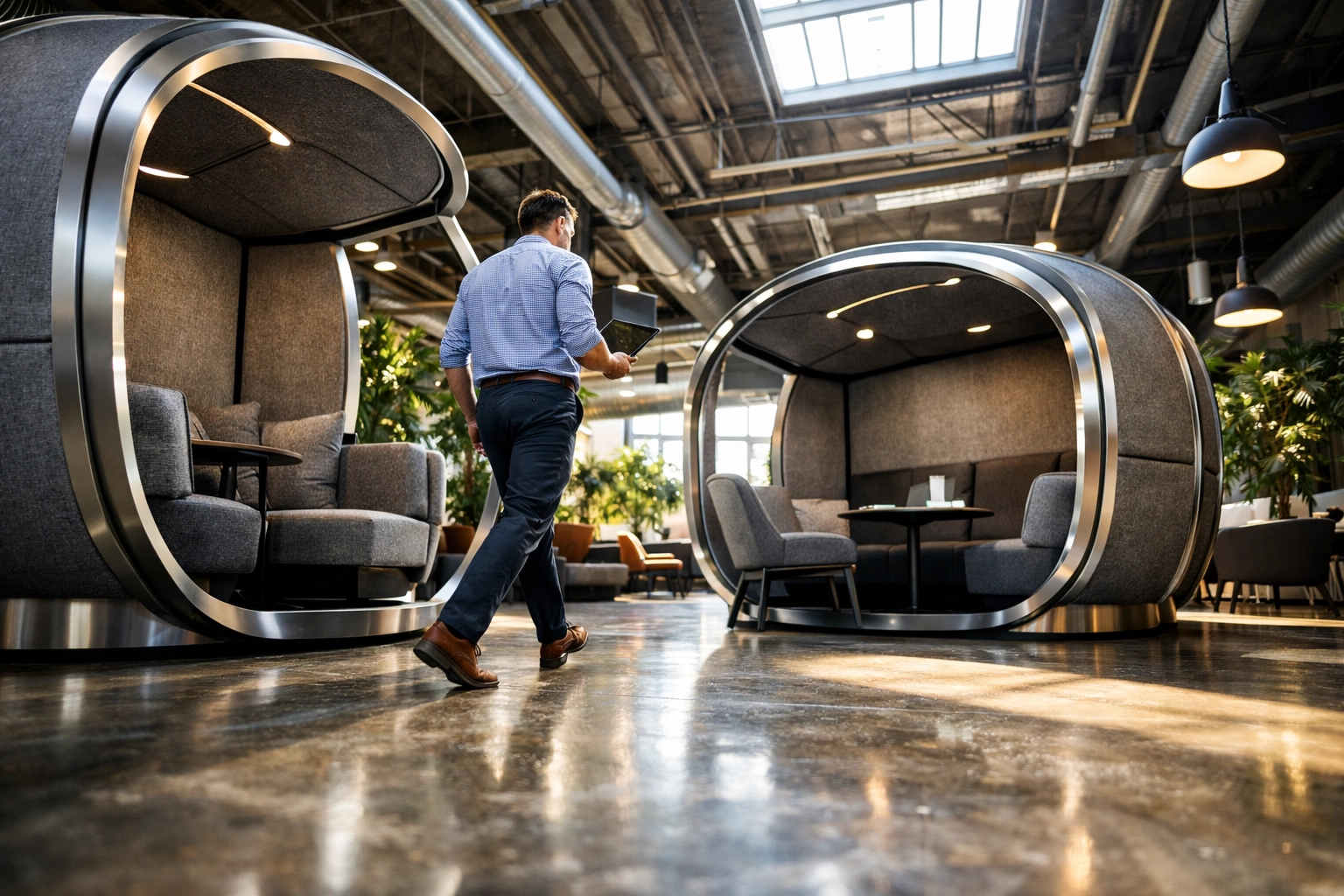
The shift in physical infrastructure is a reflection of a larger shift in how we value work. In a world where you can work from anywhere, the "office" or the "lab" has to offer something you can't get at home. Pods provide that: power, security, and a community of like-minded professionals.
If you’re ready to explore how this new era of infrastructure can impact your business or career, feel free to check out our Q&A or contact us directly. The beige boxes are gone, and the future is modular. It’s time to find your Pod.
USA Entertainment Ventures LLC is a leading business consulting firm dedicated to navigating the intersection of technology, logistics, and entertainment. Under the leadership of CEO Dan Kost, we provide insights that help businesses stay ahead of the curve in an ever-changing digital landscape.





