
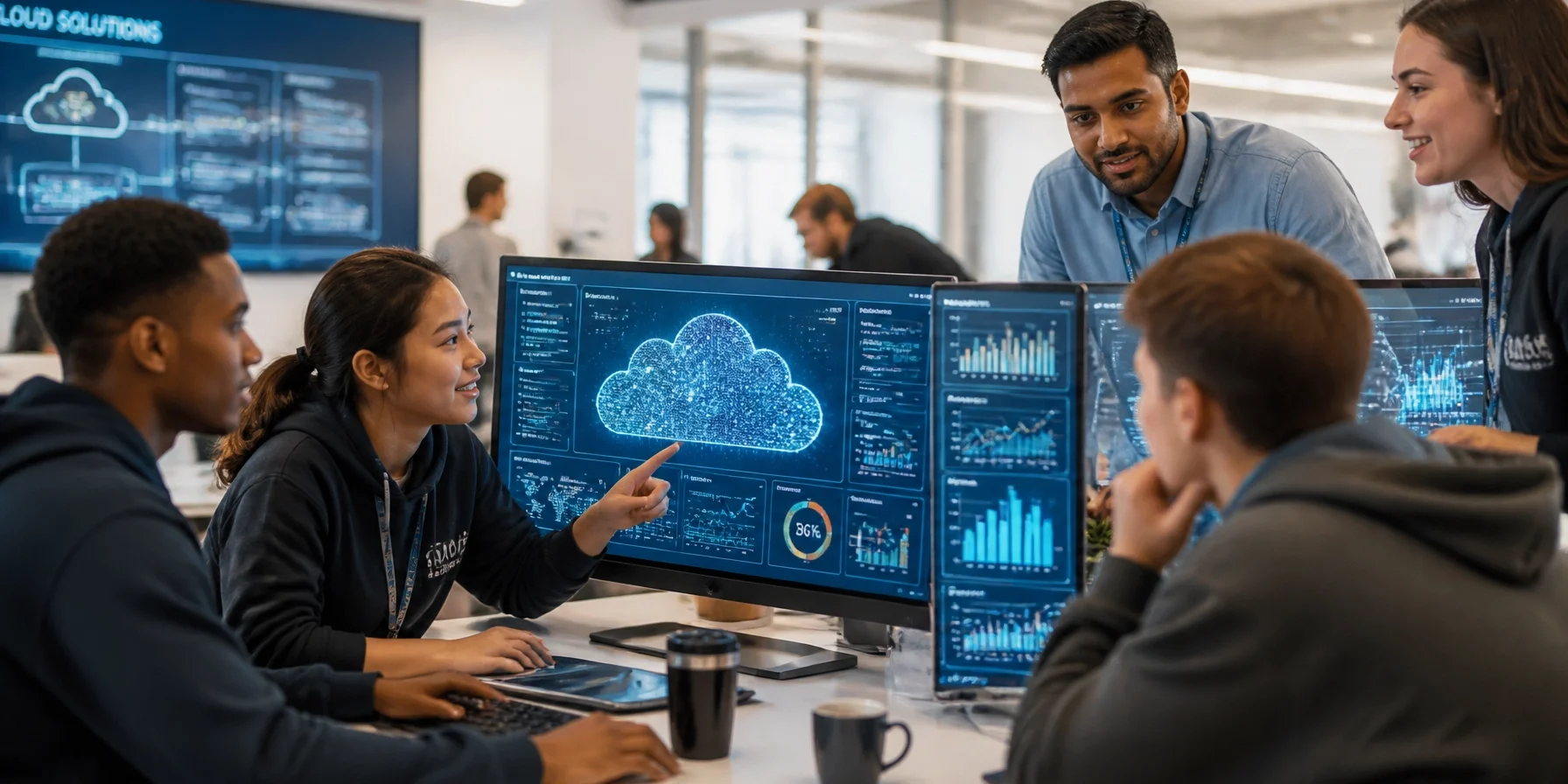
In the rapidly evolving landscape of enterprise technology, organizations face a persistent challenge: the demand for specialized expertise in Cloud Computing, Artificial Intelligence (AI), and Data Analytics far outpaces the supply of qualified professionals. For years, corporate talent acquisition strategies have focused primarily on university recruiting and experienced lateral hiring. However, as digital transformation accelerates across every sector, waiting until graduation day to engage prospective talent is no longer a viable strategy.
Industry analysts and workforce economists increasingly emphasize that future-proofing an organization’s technical capabilities requires a fundamental shift upstream. By engaging with students during their secondary education: specifically in high school: forward-thinking enterprises can cultivate robust talent funnels that secure their operational longevity and competitive edge.
The Cost of Waiting: Why Traditional Recruiting Falls Short
The technology sector operates in a state of continuous acceleration. According to recent workforce studies, over 70% of business leaders report significant skill gaps in cloud architecture and data science. Relying exclusively on traditional collegiate pipelines means competing in an oversaturated market where top graduates receive multiple lucrative offers before completing their degrees.
When organizations delay talent engagement until higher education or post-graduation, they inherit several distinct disadvantages:
- Heightened Competition: Enterprises bid aggressively for a limited pool of university graduates, driving up acquisition costs while yielding diminishing returns.
- Narrow Skill Alignment: Traditional academic curricula sometimes lag behind the bleeding-edge demands of enterprise cloud infrastructure and applied AI, requiring extensive onboarding and retraining.
- Missed Engagement Windows: By age 17 or 18, many students have already formed rigid preconceptions about their career trajectories, often dismissing technical fields due to a lack of early exposure or mentorship.
As noted by prominent workforce development experts, "The organizations that thrive in the next decade will not be those that simply outbid competitors for finished talent, but those that invest in architecting the educational journey from its foundation."

The Strategic Advantage of Early Talent Outreach
Engaging high school students in Cloud, AI, and Data Analytics is not merely a philanthropic endeavor or a long-term corporate social responsibility initiative; it is a vital commercial strategy. Early intervention shapes career aspirations, demystifies complex technologies, and builds foundational digital literacy before students enter higher education or the workforce.
When companies establish meaningful touchpoints with secondary students, they unlock profound benefits:
- Brand Affinity and Loyalty: Organizations that introduce themselves as supportive mentors early in a student's educational journey naturally build enduring brand equity, making them preferred employers in the future.
- Curriculum Guidance: By partnering with educators, businesses can communicate real-world skill requirements directly to schools, ensuring that emerging programs reflect actual enterprise needs.
- Diverse Pipeline Creation: Early outreach programs designed with inclusivity in mind help break down traditional barriers, welcoming underrepresented groups into STEM and technology careers.
Through structured initiatives: such as those explored in our company overview: enterprises can bridge the gap between academic theory and practical industry application.
Actionable Pathways for Organizational Engagement
Transitioning from passive observation to active pipeline building requires deliberate, structured action. Organizations do not need to overhaul their entire operations overnight; instead, they can implement scalable, high-impact programs that integrate seamlessly with existing educational frameworks.
1. Establish Partnerships with Career and Technical Education (CTE) Programs
Career and Technical Education programs in high schools are actively seeking industry alignment. Organizations can collaborate with local school districts to review curriculum, offer guest lectures, and provide realistic case studies in data analytics and cloud storage. These partnerships ensure that students encounter authentic business problems long before they enter the workforce.
2. Introduce Low-Barrier Learning and No-Code Analytics
Entering the world of Python programming, neural networks, or enterprise cloud deployment can feel daunting for a teenager. Organizations can sponsor introductory modules utilizing no-code analytics platforms and interactive visualization tools. By allowing students to inspect datasets, clean information, and build simple dashboards around topics that interest them (such as local environmental data or sports statistics), companies foster early confidence and data literacy.

3. Implement Mentorship and Job Shadowing Initiatives
One-off career day presentations rarely leave a lasting impression. Sustainable talent development relies on ongoing mentorship. Enterprises can facilitate virtual or in-person mentoring programs where cloud engineers and data scientists guide students through small project challenges. Additionally, offering half-day job shadowing opportunities or introductory summer internships provides high schoolers with tangible exposure to professional environments.
4. Support Industry-Recognized Credentials
Encouraging and supporting secondary students in earning foundational, entry-level cloud or data credentials creates an objective signal of capability. Provider-specific student programs often bundle foundational labs and exams, giving ambitious students a head start on professional certifications that bolster their résumés and readiness.
Embracing a Future-Focused Philosophy
Building the next-generation talent funnel demands patience, commitment, and a willingness to look beyond quarterly hiring metrics. It requires viewing education as an ecosystem in which business leaders, educators, and students are collaborative partners.
As technology continues to reshape global commerce, the organizations that succeed will be those that plant seeds early. By demystifying Cloud, AI, and Data Analytics for high school students, companies not only secure their own future workforce but also empower a new generation of problem-solvers equipped to navigate the complexities of tomorrow.
To learn more about how our expert services and strategic consulting can help your organization optimize its long-term talent strategy, explore our website.






