
In the rapidly evolving landscape of modern business and education, the ability to make informed, data-driven decisions is no longer a luxury: it is a necessity. As we move deeper into an era defined by digital transformation, the concept of a "Future Ready" school or organization is intrinsically tied to its ability to harness information. For executives and educational leaders, the challenge isn't just gathering data; it's visualizing it in a way that informs workforce strategy, student outcomes, and long-term growth.
This guide serves as an introduction to data dashboards, specifically tailored for those navigating the intersection of education and workforce development. We will explore how these tools are revolutionizing everything from NIL (Name, Image, and Likeness) education to media literacy and DOD Skill Bridge recruitment.
The Foundation of a "Future Ready" School
The term "Future Ready" describes an institution that has successfully integrated technology, personalized learning, and career-aligned curriculum to prepare students for the modern economy. However, being Future Ready is not a static state; it is a process backed by data.
At USA Entertainment Ventures LLC, we view the school system as the primary anchor for the future workforce. By utilizing integrated data analytics, districts can connect their workforce strategy: including staff capacity and skill sets: directly to student outcomes. This alignment ensures that the next generation is not just graduating with a degree, but with the specific competencies required by today’s employers.
Why Workforce Strategy Matters Now
Traditional recruitment and workforce planning often relied on historical trends. Today, the pace of change requires real-time insights. According to industry experts, organizations that utilize data-driven workforce strategies see a significant increase in retention and productivity. For schools, this means identifying gaps in digital and media literacy among staff and students before they become systemic hurdles.

Data Dashboards 101: Turning Raw Data into Strategy
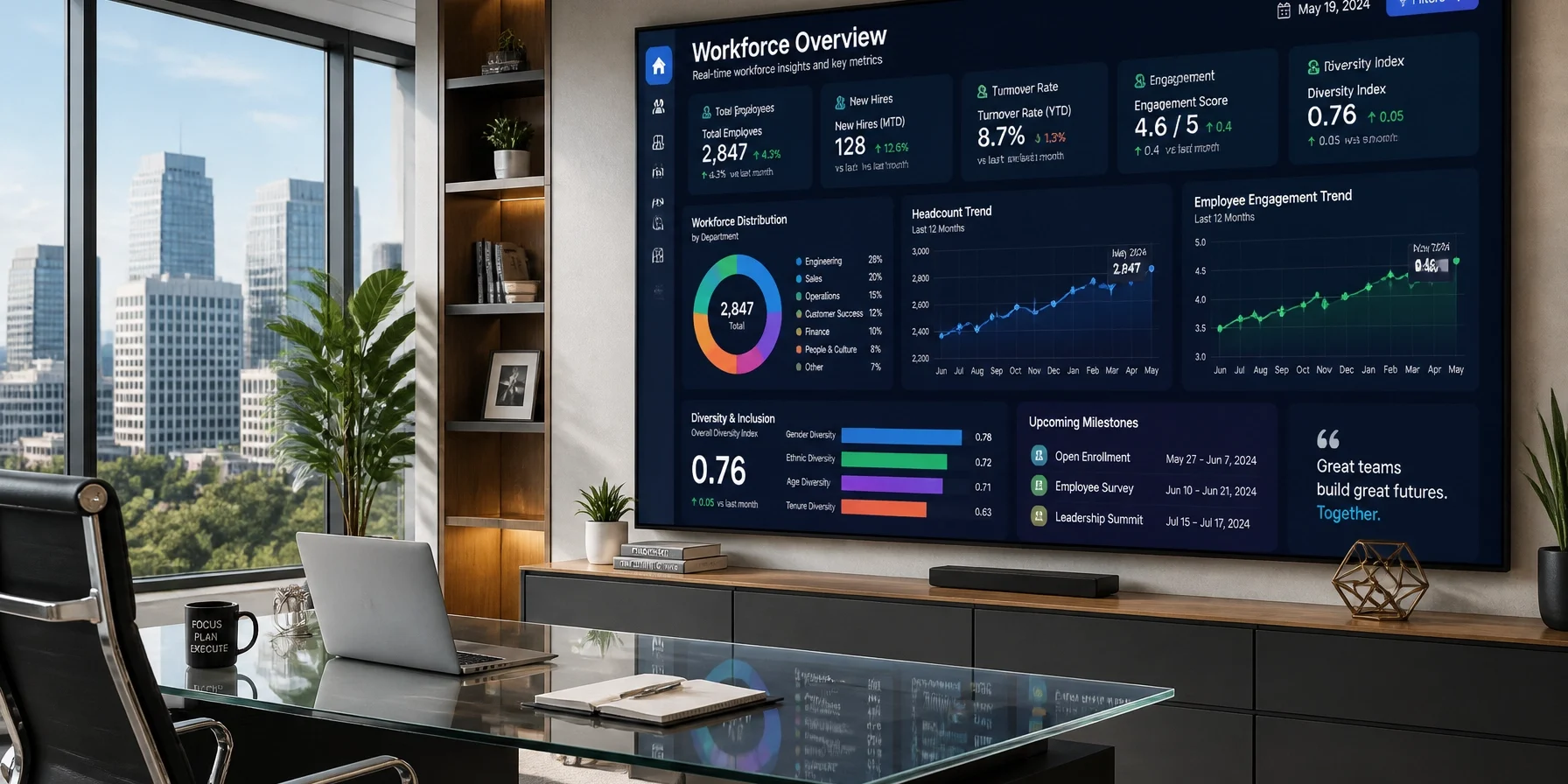
At its core, a data dashboard is a "single pane of glass" that unifies disparate data sources into a visual format. For a beginner, the sheer volume of data can be overwhelming. The key is to start with specific questions rather than a mountain of spreadsheets.
1. Define Your Strategic Goals
Before building a dashboard, identify what you need to know. Are you looking to track the success of your NIL education programs? Are you monitoring the effectiveness of your media literacy curriculum? Or perhaps you are analyzing the 7 mistakes you’re making with workforce strategy?
2. Unify Your Data Sources
A dashboard is only as good as the data feeding it. For educational institutions, this includes:
- Student Information Systems (SIS): Tracking enrollment and performance.
- Learning Management Systems (LMS): Monitoring module completion in areas like NIL and media literacy.
- HRIS/Workforce Data: Analyzing staff qualifications and professional development (PD) completion.
3. Focus on Leading Indicators
Instead of just looking at "lagging indicators" (like graduation rates), focus on "leading indicators." For example, if your goal is media literacy, track the percentage of students completing digital citizenship modules in real-time. This allows for mid-course corrections rather than waiting for year-end results.
NIL Education and the New Talent Funnel
The emergence of Name, Image, and Likeness (NIL) rights has fundamentally changed the career trajectory for student-athletes. NIL is no longer just about college sports; it is a workforce development tool. NIL education teaches students about contracts, intellectual property, personal branding, and financial literacy: skills that are universally applicable in the professional world.

By tracking NIL education outcomes through data dashboards, schools can ensure that their athletes are not just compliant, but are gaining a competitive edge in the labor market. This is part of what we call the Next Generation Talent Funnel, where educational milestones directly feed into high-demand career pathways.
Media Literacy: The Bedrock of the Modern Workforce
In a digital-first economy, media literacy is a critical competency. It involves more than just identifying "fake news"; it encompasses a deep understanding of content creation, social media branding, and digital communication strategy.
For a workforce strategy to be effective, media literacy must be measurable. Dashboards allow administrators to see:
- The correlation between media literacy PD for teachers and student assessment scores.
- Equity in access to high-level digital communication courses.
- Student proficiency in creating professional digital portfolios.
When students master media literacy, they become more attractive candidates for specialized recruitment programs, such as those focused on cybersecurity or digital marketing.

Bridging the Gap: DOD Skill Bridge and Beyond
For many organizations, the ultimate goal of a data-driven workforce strategy is successful recruitment. USA Entertainment Ventures LLC specializes in managing these transitions, particularly in high-impact areas like DOD Skill Bridge recruitment.
The DOD Skill Bridge program allows service members to gain civilian work experience during their final 180 days of service. By using dashboards to track the skills of transitioning service members and matching them with the needs of "Future Ready" businesses, we create a seamless bridge from military service to the corporate world.
This data-centric approach minimizes the risk of "skill mismatch" and ensures that veterans are placed in roles where they can thrive immediately. It’s an optimistic, future-focused strategy that benefits the individual, the company, and the broader economy.
Actionable Takeaways for Executives
If you are ready to move beyond static reporting and into dynamic workforce strategy, consider these steps:
- Audit Your Current Data: What are you collecting, and who has access to it? Often, the data exists but is siloed across different departments.
- Invest in PD: Ensure your staff: especially those in leadership and career counseling: are media literate and understand the basics of data visualization.
- Prototype Small: Start with one dashboard focused on a specific outcome, such as NIL compliance or media literacy benchmarks. Refine the visuals based on stakeholder feedback.
- Connect to Outcomes: Always tie your workforce data back to your broader mission. How does this dashboard help you build a more "Future Ready" school or business?

Conclusion: A Data-Driven Future
The future of workforce strategy is transparent, visual, and deeply integrated with education. As an anchor for these initiatives, USA Entertainment Ventures LLC is committed to helping schools and businesses navigate this transition.
By mastering the basics of data dashboards, you can transform your approach from reactive to proactive. Whether you are managing NIL programs, fostering media literacy, or recruiting through the DOD Skill Bridge, data is your most valuable asset. The tools are available; the strategy is yours to build.





