

As we navigate the first quarter of 2026, Fortune 100 executives are facing a talent landscape that has shifted from a "skills gap" to a structural distribution crisis. While the demand for high-level technical proficiency in artificial intelligence, cloud computing, and logistics management continues to skyrocket, the traditional avenues for talent development remain siloed and localized.
The challenge for the modern enterprise is no longer just finding talent; it is building a physical and digital distribution system capable of producing "career-ready" candidates at scale. This requires a transition from passive recruitment to an active, infrastructure-based approach that utilizes physical pods, strategic partnerships, and standardized playbooks.
The Physical Distribution System: Decentralizing Opportunity
For decades, workforce development was anchored to physical campuses: universities, trade schools, or corporate headquarters. However, this model creates geographic and socioeconomic barriers that limit the talent pool. A career-ready distribution system flips this script by integrating training into the existing physical assets of a community.
By leveraging retail centers, logistics hubs, and community centers, organizations can create a network of "Workforce Pods." These localized hubs remove the most significant structural barriers to entry: transportation and access to hardware.
High-performance computing is the foundation of the modern economy. Without access to the processing power required for AI development or cloud architecture, potential candidates are locked out of the digital economy before they even begin. Physical distribution centers ensure that high-level technical training is available across diverse geographic sectors, ensuring that talent in rural or underserved areas is not left behind.
The "Trojan Horse": Esports as a Gateway to AI Literacy
One of the most effective, yet often misunderstood, components of this national rollout is the use of esports. To the uninitiated, esports is merely competitive gaming. To the executive focused on workforce development, esports is a "Trojan Horse" for cloud and AI literacy.
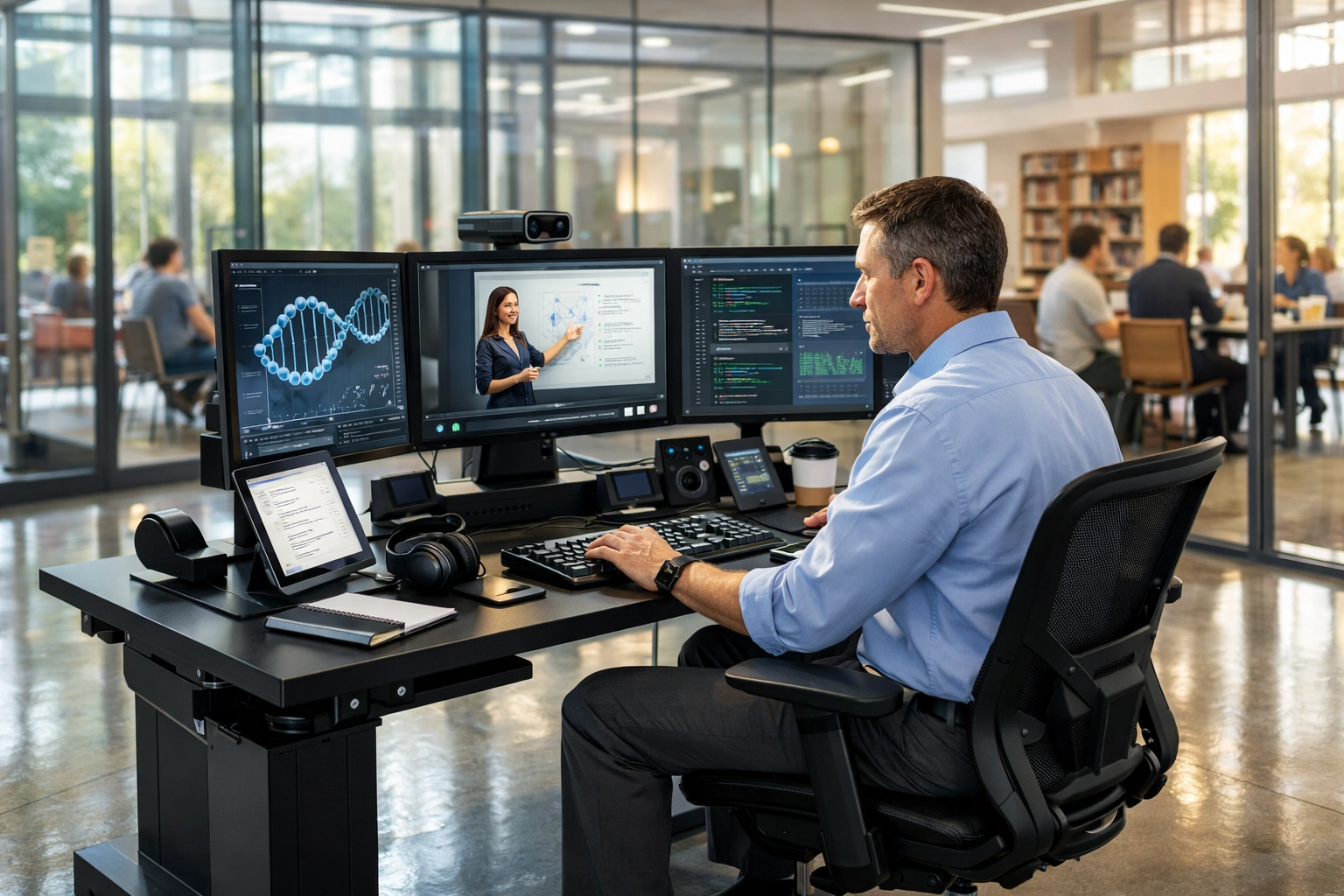
The infrastructure required to run professional-grade esports: low-latency networking, high-performance GPUs, and complex cloud environments: is identical to the infrastructure driving the AI revolution. When we deploy esports infrastructure into community hubs, we are essentially deploying high-performance laboratories.
By engaging the younger demographic through a medium they already understand and value, we bypass the friction associated with traditional technical education. As participants master the hardware and software environments necessary for competitive play, they are simultaneously gaining the foundational skills required for careers in cloud architecture, cybersecurity, and data science. This is the cornerstone of building a future-ready pipeline that replenishes itself through continuous upskilling.
A Three-Tiered Framework for Scalable Success
Building a national infrastructure for workforce development requires a structured approach. At USA Entertainment Ventures LLC, we advocate for a three-interdependent-tier system that ensures training programs are synchronized with actual market demand.
1. Partnership Development
No single organization can solve the talent deficit alone. Success requires high-level alignment between employers, educational institutions, labor unions, and community organizations. These partnerships ensure that the "playbooks" being taught in the pods are directly relevant to the roles that need to be filled.
2. Planning and Procurement
This tier involves comprehensive workforce assessments to identify regional skills gaps. Capital must be deployed strategically to address these deficiencies. Rather than a "one size fits all" approach, procurement should focus on the specific needs of the local economy: whether that is advanced manufacturing in the Midwest or cloud security in the tech corridors.
3. Program Delivery
Design training pathways that range from short-term certifications to multi-year apprenticeships. To ensure high retention and success rates, delivery must include wraparound services such as mentorship and localized support. This is where the physical distribution system becomes critical, providing the tangible touchpoints that digital-only programs lack.
The Talent Acquisition Strategy: Build, Buy, Borrow
For Fortune 100 executives, the methodology for talent acquisition must be as diversified as a financial portfolio. A career-ready distribution system supports a "Build, Buy, Borrow" framework:
- Build: Use the internal distribution system to develop talent from within. This involves upskilling existing employees and creating clear pathways for internal mobility. This is often the most cost-effective way to fill mid-to-high-level technical roles.
- Buy: Hire externally for roles that require deep institutional knowledge or specialized capabilities that cannot be developed quickly in-house.
- Borrow: Engage specialized contractors or consultants for short-term projects or to bridge the gap while internal "Build" programs are reaching maturity.
By integrating these strategies, organizations can maintain a flexible workforce that is resilient to market fluctuations. More information on how these services are structured can be found on our services page.

Implementation Timeline: The 18-to-24-Month Roadmap
Building a career-ready pipeline is not an overnight endeavor. It requires a disciplined rollout. Based on current industry data and our own internal benchmarks, a successful national rollout typically follows a two-year trajectory:
- Months 1-6: Discovery and Alignment. This phase focuses on partnership development and the identification of regional talent gaps. It is during this time that the strategic playbooks are developed.
- Months 7-12: Infrastructure Deployment. Preparation of physical delivery sites (the Pods) and procurement of the necessary hardware. This is where the "Trojan Horse" of esports infrastructure is often first implemented.
- Months 13-24: Execution and Scaling. The first cohorts enter the training programs. By the end of this period, the system begins producing career-ready candidates who are ready to be integrated into the workforce.
Immediate action is not just recommended; it is essential. Organizations that delay the development of their workforce infrastructure risk facing insurmountable talent deficits by 2028.
Technology as the Backbone: ATS and HRIS Integration
While the physical pods provide the "where," the digital infrastructure provides the "how." A centralized technical infrastructure: specifically an Applicant Tracking System (ATS) integrated with a Human Resource Information System (HRIS): is vital. This creates a unified data source for employee information, performance metrics, and skill acquisition.
This data-driven approach allows executives to see, in real-time, the health of their talent pipeline. It provides the metrics needed to justify capital expenditure and to adjust training playbooks as market demands evolve. At USA Entertainment Ventures LLC, we emphasize that the integration of these systems is what transforms a series of isolated training programs into a cohesive distribution system.

Conclusion: Securing the Future
The transition to a career-ready workforce distribution system is a commitment to both business sustainability and societal progress. By removing geographic barriers, leveraging high-performance infrastructure through esports, and following a disciplined three-tier framework, Fortune 100 companies can secure their talent pipelines for the next decade.
As we look toward the future, the companies that will lead are those that recognize workforce development as a critical infrastructure project, no different than building a factory or a data center. It is time to move beyond the recruitment strategies of the past and build a distribution system that meets the demands of the future.
For more insights on how we are shaping the future of workforce development and entertainment management, visit our About Us page or explore our digital initiatives.





