In the current landscape of 2026, the intersection of education and corporate readiness has reached a critical tipping point. For executives and school administrators alike, the challenge is no longer just about filling seats or roles; it is about predicting where the next generation of talent will come from and what specific skills they will bring to the table. As the CEO of USA Entertainment Ventures LLC, I’ve seen firsthand how the right data can transform a reactive strategy into a proactive powerhouse.
To navigate this, many organizations are turning to data analytics dashboards. These tools do more than just display numbers; they serve as a compass for "Future Ready" institutions. By integrating metrics from NIL (Name, Image, and Likeness) education and media literacy programs, we can finally begin to see the shape of the future workforce before it arrives.
The Shift to Data-Driven Workforce Planning
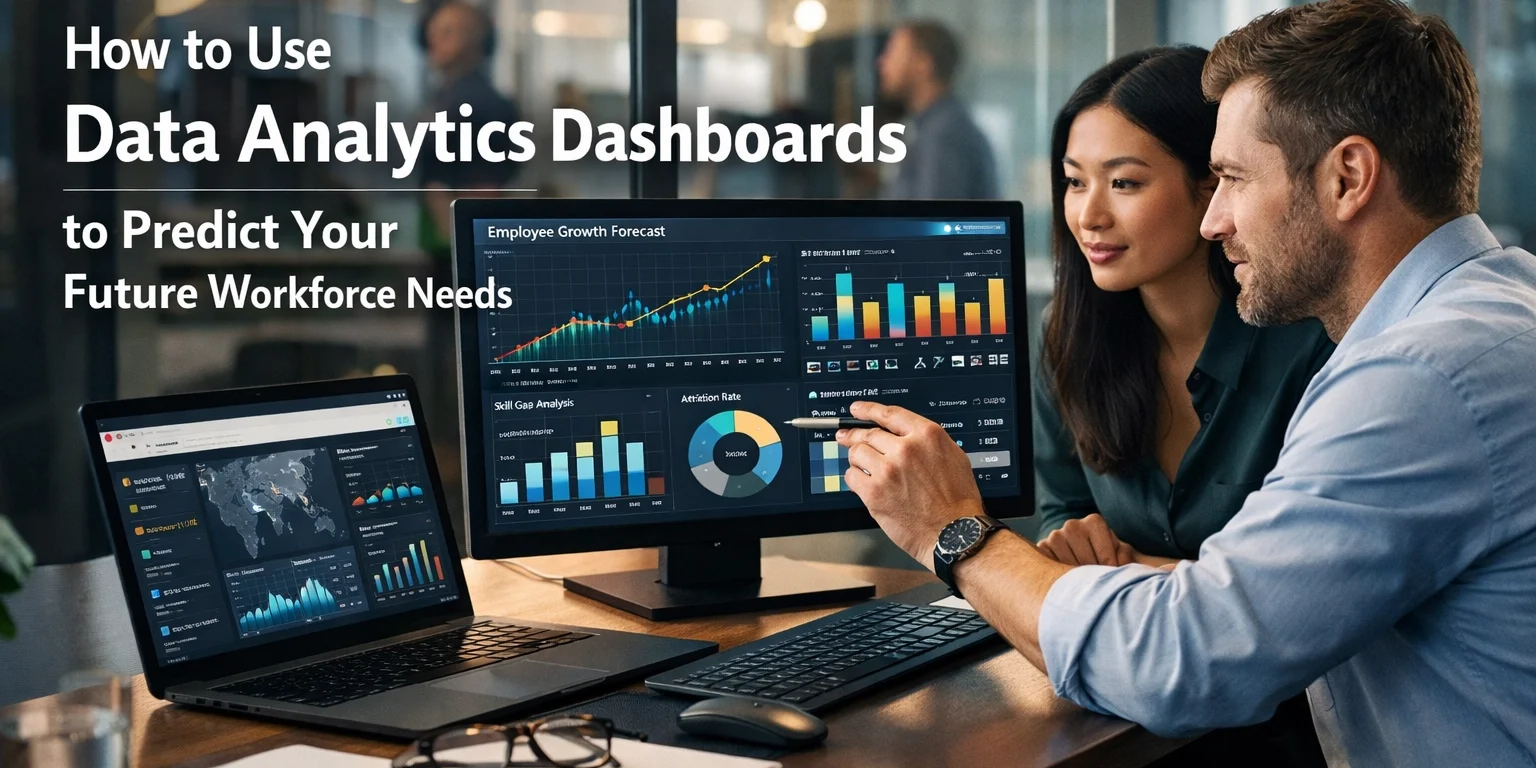
The traditional methods of workforce planning: relying on historical turnover rates and annual budget cycles: are no longer sufficient. Today’s pace of technological change requires a more agile approach. Data analytics dashboards provide a centralized location for performance management, financial data, and demographic trends.
When we talk about a dashboard, we are talking about a living document. It is a visual representation of your organization's health. For schools, this means tracking how well students are absorbing critical modern skills. For businesses, it means understanding the trajectory of their talent pipeline. By leveraging these insights, we can identify staffing gaps and attrition risks before they become critical issues.
Predictive Analytics: Moving Beyond the Rearview Mirror
Most organizations use descriptive analytics: looking at what happened in the past. While useful, it is essentially like driving a car by looking only at the rearview mirror. To be truly "Future Ready," we must implement predictive analytics.
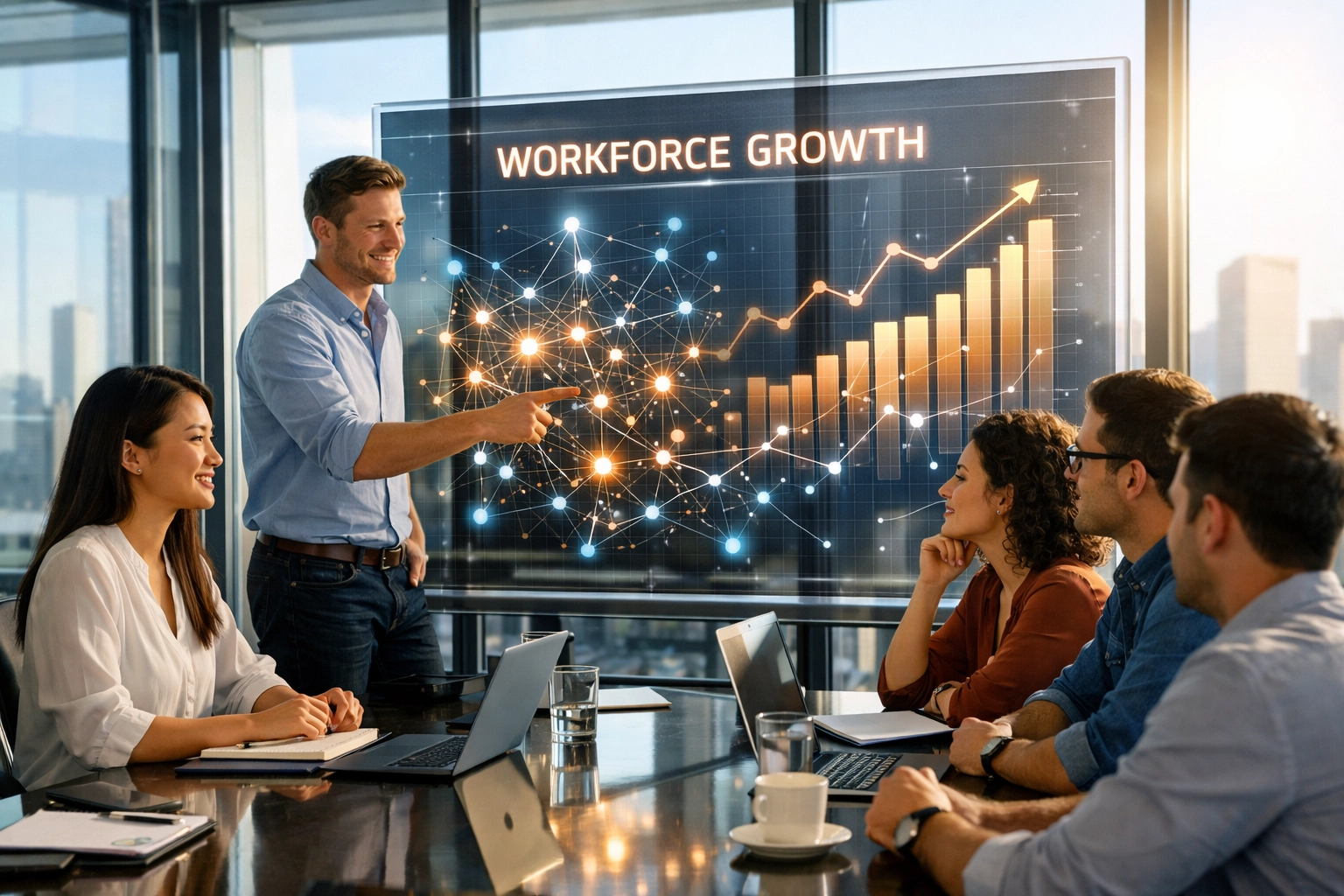
Predictive workforce analytics uses current data points to forecast future needs. According to recent industry research, the most effective dashboards incorporate several layers of prediction:
- Attrition Prediction: By analyzing engagement levels, tenure, and promotion timing, dashboards can flag employees or students at risk of "checking out." This allows for early intervention.
- Recruitment Forecasting: Predictive models can estimate the "time-to-fill" for specific roles, allowing HR departments to start the search months before a vacancy actually opens.
- Skills Gap Prediction: This is perhaps the most vital area for schools. By tracking curriculum outcomes against market demands, administrators can adjust their programs in real-time.
NIL Education and Media Literacy as Workforce Indicators
A unique development in the 2020s has been the rise of NIL (Name, Image, and Likeness) in the collegiate and even high school spaces. While often viewed through the lens of athletics, NIL is actually a masterclass in personal branding, contract law, and financial literacy.
At USA Entertainment Ventures LLC, we view NIL education as a primary indicator of workforce readiness. When a student learns to manage their NIL, they are learning media literacy: the ability to decode, analyze, and create messages in a variety of forms. These are the exact skills required in the modern corporate world.
Our data shows that students who engage in robust media literacy and NIL programs demonstrate higher levels of professional autonomy and digital fluency. By tracking these outcomes on a dashboard, a school can present itself as an anchor for the community: a reliable producer of "Future Ready" talent. This isn't just theory; it’s about creating measurable outcomes that businesses can trust.
Schools as the "Future Ready" Anchor
For a school to be considered "Future Ready," it must bridge the gap between traditional education and the evolving needs of the global economy. This requires a commitment to transparency and data-sharing. When schools use dashboards to track media literacy outcomes, they aren't just checking a box for accreditation; they are proving their value to the future employers of their students.
Consider the role of 360 Sports Media. By focusing on the intersection of sports, media, and education, these programs provide a rich stream of data. Administrators can see which students are excelling in content creation, which ones understand the nuances of digital contracts, and who is emerging as a leader in their peer group.
This data allows for SMART goals (Specific, Measurable, Achievable, Relevant, and Time-bound). For example, a school might set a goal to increase the "media literacy proficiency" of its graduating class by 20% over two years. A dashboard makes this goal visible and actionable.

Building Your Data Foundation
To get the most out of a predictive dashboard, you need a solid foundation. Most experts agree that 2-3 years of historical data is the "sweet spot" for making accurate forecasts. This includes:
- Employee/Student movement: How people move through your system.
- Training History: What skills are being acquired and at what speed.
- Engagement Metrics: Qualitative data turned quantitative through surveys and feedback loops.
Once this data is consolidated, the dashboard becomes an executive’s best friend. It moves the conversation from "I think we might need more staff" to "Based on our current growth and attrition trends, we will have a 15-person deficit in our tech department by Q3."
Regular Monitoring and Adjustment
The work doesn’t end once the dashboard is built. The most successful organizations hold regular check-ins to ask critical questions. Are the performance benchmarks being hit? Is the NIL education program translating into better career placement? Do we need to reallocate resources to our media literacy initiatives?
This level of agility is what defines a modern, successful business or educational institution. It’s about being proactive rather than reactive. By using these tools, we can ensure that our schools remain the anchors of our communities, providing a steady stream of prepared, literate, and capable individuals to the workforce.
Conclusion: The Road to 2027
As we look toward the future, the reliance on data will only increase. The organizations that embrace these analytics today are the ones that will lead tomorrow. At USA Entertainment Ventures LLC, we are committed to helping institutions navigate this transition.
Whether it’s through optimizing out-of-home advertising strategies or building comprehensive education dashboards, the goal remains the same: preparation. A "Future Ready" school isn't just a place of learning; it’s a data-driven engine of economic and social progress.
By focusing on media literacy, embracing the complexities of NIL, and utilizing the power of predictive analytics, we aren't just guessing what the future looks like. We are building it, one data point at a time.