
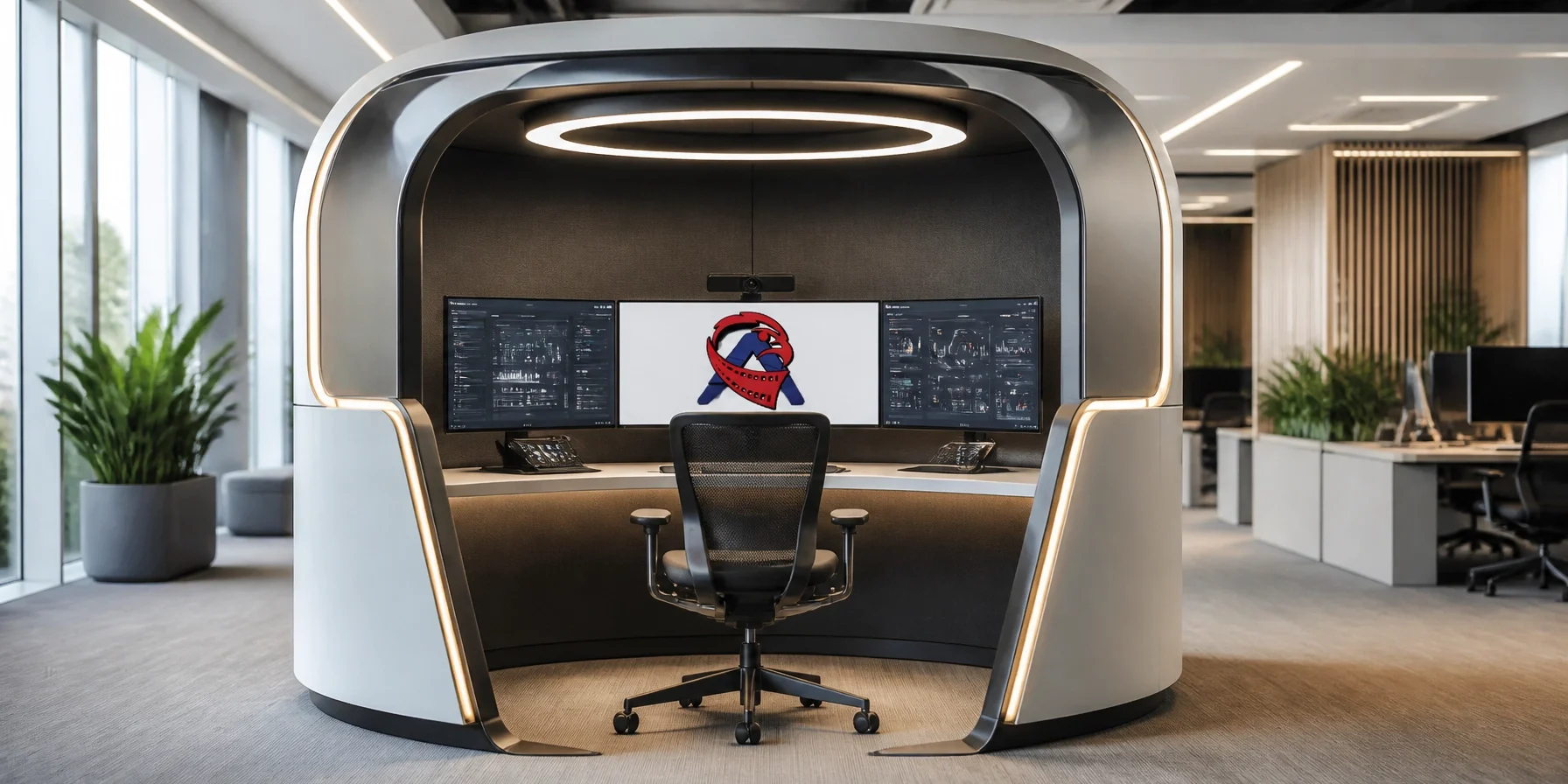
For decades, the "computer lab" was the undisputed cornerstone of institutional technology. It was a room defined by rows of uniform monitors, a forest of tangled cables, and the hum of air conditioning units struggling to cool dozens of desktop towers. While this centralized model served the needs of the early digital age, the rapid evolution of workplace dynamics and technical requirements has rendered the traditional lab increasingly obsolete.
The transition toward "Pods": modular, purpose-built, and often distributed workstation environments: represents more than just a change in furniture; it is a fundamental shift in how we approach physical infrastructure. As organizations like USA Entertainment Ventures LLC look toward the future of business development and recruitment, understanding this shift is essential for navigating the modern career landscape.
The Logistics of the Modular Revolution: From Static Rooms to Agile Hubs
The most immediate advantage of the Pod model over the traditional lab lies in logistics. In a conventional setup, institutional planning often involved bulk purchasing cycles where 50 to 100 identical machines were installed in a single room. While this centralized imaging and patching made maintenance predictable, it created significant "real estate waste." These labs were often sized for peak capacity, meaning they sat largely underutilized for significant portions of the day.
Modern infrastructure pods solve this by shifting the focus to what industry experts call a "Supply Chain of Productivity." Instead of one monolithic lab, organizations can deploy decentralized assets: collaboration pods, coding hubs, and media stations: where they are actually needed.
The ROI of Modularity
According to findings frequently cited by organizations like Educause, the ROI of traditional labs is often hampered by high fixed costs and inflexible hardware refresh cycles. Pods, by contrast, offer a modular deployment strategy. If a company needs more content creation capacity but less general-purpose computing, they can swap a "general use pod" for a "media-ready pod" without redesigning the entire facility. This just-in-time infrastructure management reduces long-term capital expenditure and ensures that the physical space remains as dynamic as the software being used within it.

Cybersecurity in a Decentralized Era: Embracing Zero-Trust
As our work environments move away from the "single perimeter" model of the 1990s, cybersecurity has become a primary driver of the Pod transition. A traditional computer lab typically operates on a "big room, big perimeter" philosophy. If a single machine is compromised, the shared network segment often allows for lateral movement, putting every other device in that room at risk.
The rise of modular Pods aligns perfectly with the modern Zero-Trust architecture. In a pod-based environment, each station is treated as an independent node. This allows for microsegmentation: the practice of isolating parts of a network so that a security breach in one pod does not expose the entire infrastructure.
The Security Benefits of the Pod Model:
- Identity-Centric Access: Each pod can be configured to require multi-factor authentication (MFA) and continuous posture checks before granting access to sensitive data.
- Reduced Attack Surface: By eliminating the large, open network segments of a lab, organizations significantly reduce the target area for malicious actors.
- Integrated IoT Security: Modern pods are often "smart," containing sensors, AV gear, and integrated lighting. Securing these at the edge (within the pod itself) is more effective than attempting to manage hundreds of diverse devices across a sprawling campus network.

Content Creation and the Specialized Workstation
One of the most significant failures of the traditional lab was its inability to keep up with the technical demands of modern content creation. Typing an essay and rendering an 8K video require vastly different environments. The "general-purpose" nature of the old-school lab meant it was mediocre at everything and excellent at nothing.
Modern content-creation pods are engineered for high-performance output. These are not just desks; they are acoustically treated, media-ready environments equipped with:
- High-End Peripherals: Integrated 8K cameras, studio-grade condenser microphones, and professional lighting arrays.
- Specialized Hardware: Workstations powered by GPU-heavy configurations designed for 3D rendering, game engines, and virtual reality (VR) workflows.
- Environmental Control: Sound-dampening materials that make these spaces ideal for podcasting, streaming, and high-stakes webinars.
For professionals entering the creative industry, the shift to pods means they are training in environments that mimic high-end production studios. This specialized infrastructure is no longer a luxury: it is a requirement for competitive content production.

Career Pathways in the New Infrastructure Landscape
This evolution in physical space is creating a surge in demand for specialized talent. If you are looking to position yourself for the future, three key areas are emerging as high-growth career pathways:
1. Infrastructure Logistics and Cloud Operations
As physical pods become more integrated with cloud-based virtual labs, there is a growing need for "Workplace Technologists." These professionals don't just fix computers; they manage the lifecycle of modular deployments, coordinate cloud orchestration, and optimize the physical layout of productivity hubs.
2. Cybersecurity Architecture
The shift to Zero-Trust and edge security within pod environments requires a new breed of security professional. Roles such as Network Security Architect and Endpoint Security Engineer are critical for ensuring that these decentralized hubs remain secure against increasingly sophisticated threats.
3. Media Systems and Studio Engineering
The complexity of media-ready pods has created a niche for engineers who understand both hardware and creative workflows. From designing the acoustic properties of a pod to maintaining XR (Extended Reality) lab environments, this path combines technical prowess with creative insight.
Bridging the Gap: The DOD SkillBridge Connection
At USA Entertainment Ventures LLC, we recognize that transitioning from one career to another: especially for those leaving military service: requires more than just a certificate. It requires exposure to the actual tools and environments being used in the industry today.
The DOD SkillBridge program provides a vital opportunity for service members to gain these exact skills during their final 180 days of service. By training within these modern infrastructure models, veterans can bridge the gap between their military expertise and the demands of the civilian tech sector. Whether it is managing the complex logistics of a pod rollout or securing the decentralized networks that power them, the skills developed in the military are uniquely suited to the disciplined, systems-oriented nature of modern infrastructure.
Our commitment to DOD SkillBridge recruitment ensures that those who have served are at the forefront of this technological shift, moving from the rigid structures of the past into the modular, innovative opportunities of the future.

Looking Ahead: The Future of Workspace
The decline of the traditional computer lab is not a sign that physical workstations are no longer necessary; rather, it is evidence that they are evolving to meet our needs. The future is modular, decentralized, and highly specialized. By moving away from the "one-size-fits-all" room and toward the adaptable "pod," organizations can foster higher levels of creativity, maintain tighter security, and offer more flexible environments for the workforce.
As we look toward the 2030s, the "pod" will likely be the standard unit of productivity. Whether you are a student, a transitioning veteran, or a business leader, embracing this modern infrastructure is the first step toward thriving in an increasingly digital and distributed world. It is time to leave the rows of the old lab behind and step into the specialized efficiency of the future.





