The digital revolution promised us a world without walls. Cloud computing, remote access, and virtual classrooms seemed destined to render physical infrastructure obsolete. Yet here we are, watching Fortune 100 companies pour resources into physical learning environments at an unprecedented rate.
The paradox is only apparent. The reality is far more strategic: physical infrastructure remains the most reliable distribution mechanism for digital skills at scale. And the organizations that understand this are building the workforce pipelines that will define the next decade.
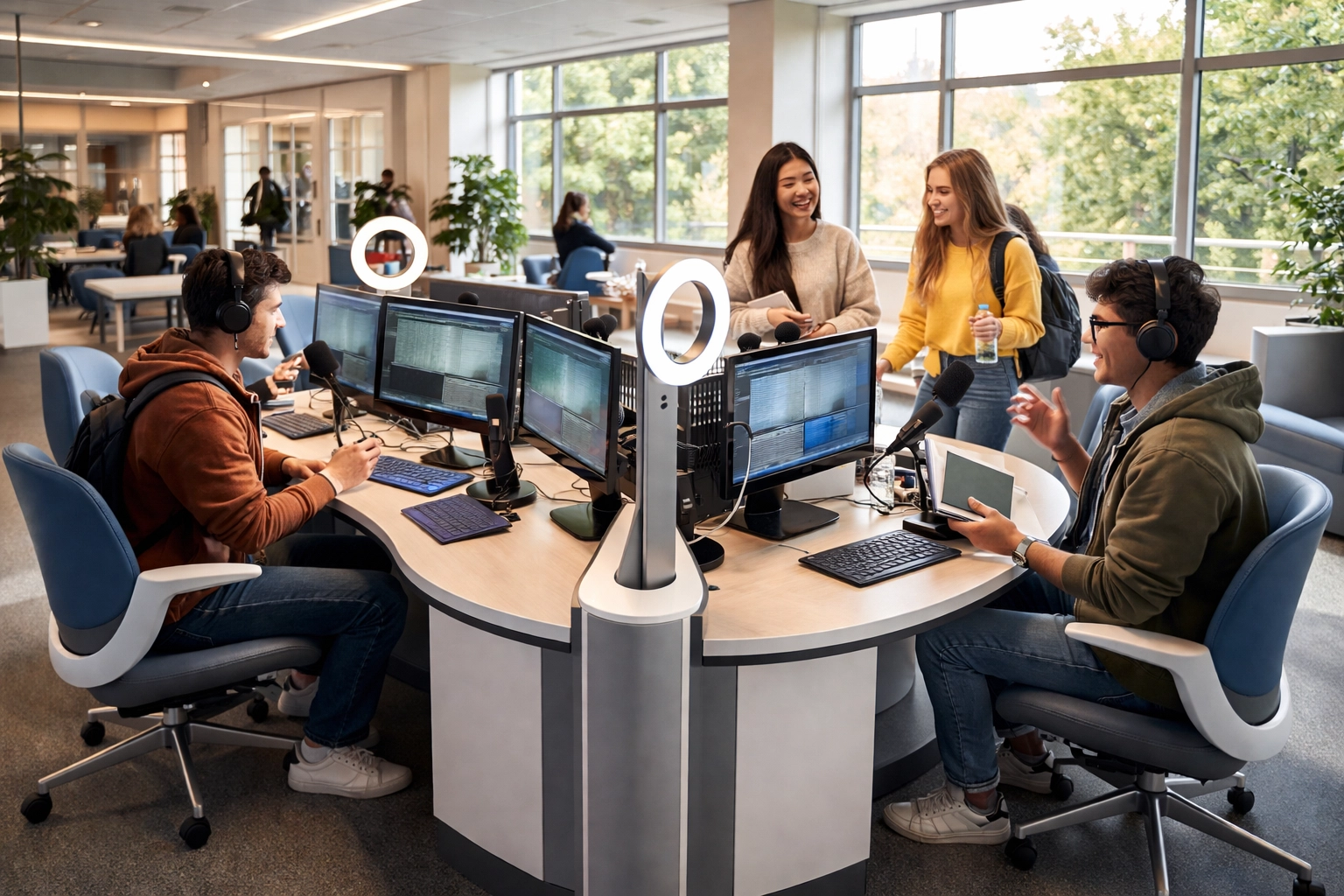
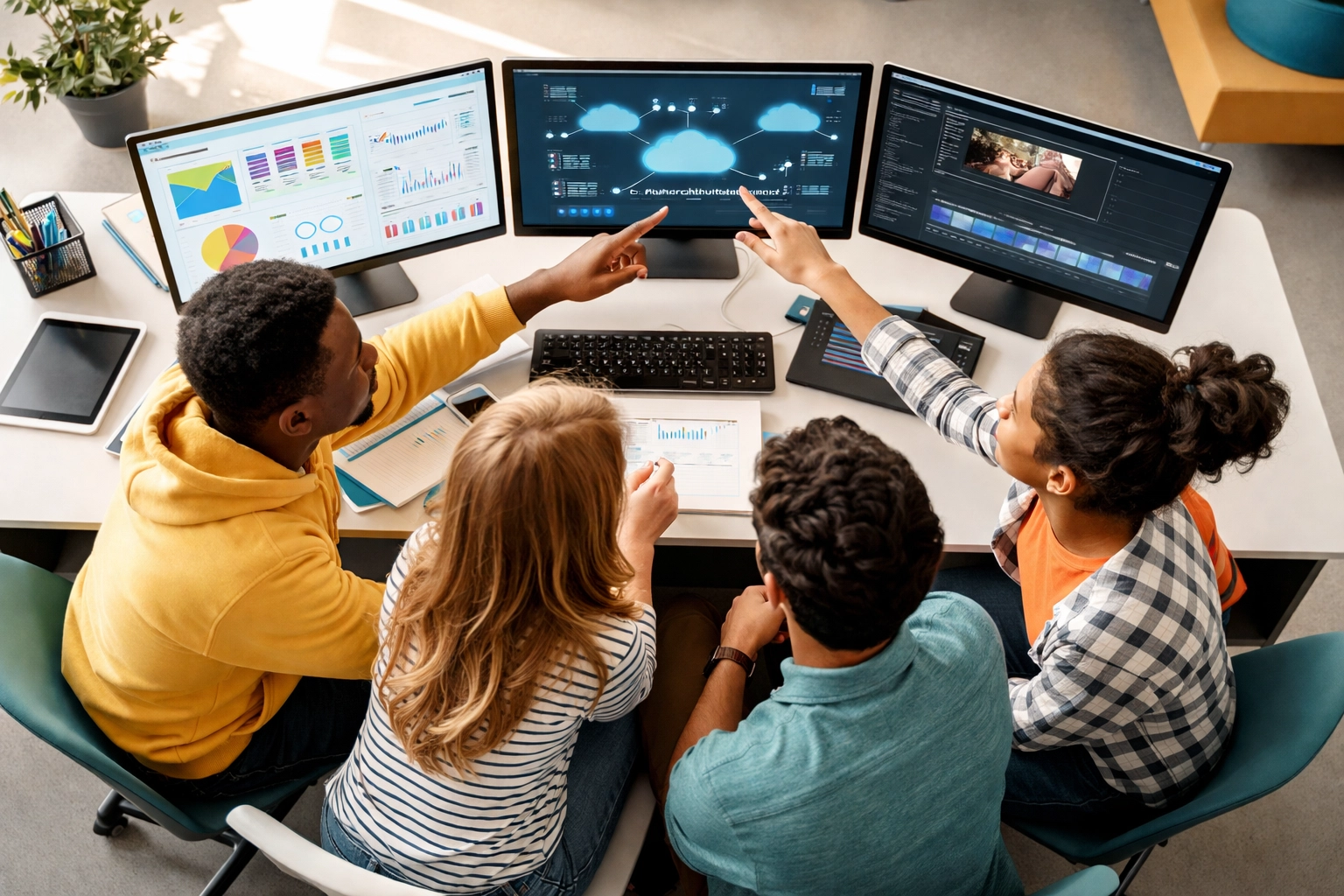
Enter the learning pod: a self-contained, standardized unit that combines cloud computing access, streaming capabilities, analytics dashboards, and career pathway curriculum into one deployable system. These are not the computer labs of the past. They are the talent factories of the future.
The Failure of the Traditional Computer Lab
Traditional computer labs were designed for a different era. Rows of fixed desktop computers. Rigid scheduling. One-size-fits-all instruction. Students traveled to the technology rather than technology adapting to students.
The fundamental flaw was pedagogical, not technological. Research consistently demonstrates that fixed lab environments discourage collaboration and creativity. Students often cannot see instruction boards. The layout enforces independent work on identical tasks. The result: disengaged learners and skills that fail to transfer to real-world applications.

More critically, traditional labs suffered from three systemic weaknesses that made them poor vehicles for workforce development:
Inconsistent access. Labs operate on limited schedules, creating bottlenecks that prevent the repetition necessary for skill mastery.
Outdated equipment cycles. The capital expenditure model meant hardware aged faster than budgets could refresh it.
Zero measurement infrastructure. Schools could track attendance but not competency development, leaving corporate partners blind to actual outcomes.
Fortune 100 companies learned this lesson the hard way. Sponsoring computer labs generated goodwill but not workforce pipelines. The infrastructure was too disconnected from industry needs to produce job-ready candidates.
The Pod Model: Infrastructure That Scales
Learning pods represent a fundamental rethinking of how physical and digital learning intersect. Unlike centralized labs, pods are modular, standardized, and purpose-built for specific skill pathways.
A properly configured learning pod integrates multiple functions into one deployable unit:
- Cloud computing curriculum access through virtual desktop infrastructure
- Streaming studio capabilities for content creation and media literacy
- Analytics dashboards that track learner progress in real time
- Career pathway modules aligned to industry certifications
- Collaborative workspace designed for team-based projects
The key distinction is that pods are not general-purpose computing stations. They are specialized talent development platforms that happen to use computing as the delivery mechanism.
This specialization creates standardization. Every pod in a network delivers the same experience, the same curriculum, the same measurement protocols. A student in one location develops identical competencies to a student three thousand miles away. For Fortune 100 companies building national workforce strategies, this consistency is invaluable.
Reliability as Competitive Advantage
Digital-only learning solutions face an uncomfortable truth: internet connectivity remains inconsistent across American schools. According to multiple federal assessments, significant portions of rural and underserved communities lack the bandwidth necessary for streaming, real-time collaboration, and cloud-based applications.
Physical pods solve this problem through hybrid architecture. Core computing resources are housed locally, with cloud connectivity enhancing rather than enabling the experience. When networks fluctuate, learning continues. When systems require updates, local resources maintain baseline functionality.
This reliability translates directly to completion rates. Programs that depend entirely on remote access see significant dropout when students encounter technical barriers at home or in under-resourced facilities. Pod-based programs maintain engagement because the infrastructure itself removes friction.
For corporate sponsors, reliability means predictable outcomes. Investment in pod infrastructure yields measurable learner progression because the technology consistently functions as designed.
Standardization Enables Measurement
The measurement challenge has long plagued corporate education partnerships. Companies invest in school programs but lack visibility into actual skill development. Anecdotal success stories replace data-driven evaluation. Budget cycles continue based on hope rather than evidence.
Standardized pods change this equation entirely.
Because every unit runs identical software, curriculum, and assessment protocols, performance data aggregates cleanly across entire networks. Corporate partners can track:
- Competency achievement rates against industry-standard benchmarks
- Time-to-proficiency for specific skill pathways
- Engagement metrics including session frequency and duration
- Certification completion rates tied to recognized credentials
- Career pathway progression from introductory modules through advanced specialization
This measurement infrastructure transforms education sponsorship from a brand exercise into a talent acquisition strategy. Companies can identify high-potential candidates years before they enter the job market. Curriculum can be adjusted based on real performance data rather than theoretical projections.
Universities migrating to cloud-based learning solutions report cost savings of 50 to 75 percent compared to traditional infrastructure while simultaneously improving data collection capabilities. The pod model extends this efficiency into secondary education, creating measurement-rich environments at scale.
Career Pathways That Matter
The most significant limitation of traditional computer labs was their disconnection from actual career preparation. Students learned generic computing skills without clear pathways to employment.
Modern learning pods are designed around specific career trajectories that align with Fortune 100 workforce needs:
Cloud Computing and Infrastructure. Students progress from basic cloud literacy through architecture fundamentals to certification preparation. The pathway produces candidates ready for entry-level cloud operations roles.
Data Analytics and Business Intelligence. Curriculum covers data collection, visualization, interpretation, and presentation. Graduates enter the workforce prepared to derive insights from organizational data.
Artificial Intelligence Literacy. Beyond using AI tools, students learn how AI systems are trained, evaluated, and deployed responsibly. This foundation proves essential as AI integration accelerates across industries.
Content Creation and Digital Media. Streaming studio capabilities within pods enable students to develop production skills increasingly valuable across marketing, communications, and corporate training functions.
Cybersecurity Fundamentals. With cybersecurity talent shortages projected to persist, early exposure creates pipeline opportunities for companies struggling to fill critical roles.
Logistics and Operations Simulation. Interactive modules teach supply chain principles, inventory management, and operational optimization: skills directly applicable to retail, manufacturing, and distribution enterprises.
Each pathway includes industry-recognized certifications that validate competency to hiring managers. Students graduate with credentials, not just transcripts.
The Business Case for Fortune 100 Investment
The strategic logic for Fortune 100 companies is straightforward: physical learning pods offer the most efficient mechanism for building branded talent pipelines at scale.
Consider the alternative approaches:
University partnerships require years before graduates reach the workforce and offer limited brand integration into the learning experience.
Scholarship programs support individual students but create no systemic infrastructure and generate minimal data.
Internship programs engage candidates late in their development and compete for attention with numerous employers.
Pod sponsorship positions the corporate brand at the origin point of skill development. Students associate career readiness with the sponsoring organization from their first cloud certification through their job search. The relationship compounds over years rather than beginning at graduation.
Furthermore, pod networks create earned media opportunities. Schools celebrate infrastructure investments. Local media covers ribbon cuttings. Students and families share achievements connected to corporate-sponsored programs. The visibility generates brand value that traditional advertising cannot replicate.
The physical nature of pods amplifies this effect. Unlike software licenses or curriculum access, pods are tangible. They occupy space. They demonstrate commitment in ways that digital-only initiatives cannot match.
Building Tomorrow's Workforce Today
The organizations that will dominate talent acquisition in the coming decade are making infrastructure decisions now. They recognize that digital skills require physical distribution mechanisms to reach diverse student populations at scale. They understand that measurement demands standardization. They accept that brand trust builds through years of consistent presence, not campaign cycles.
Learning pods represent the convergence of these insights into deployable infrastructure. They are not computer labs with better marketing. They are purpose-built talent development platforms that happen to use physical space as their foundation.
For Fortune 100 companies evaluating workforce development strategies, the question is not whether physical infrastructure matters in a digital world. The question is whether your organization will own the infrastructure that produces your future employees: or whether you will compete for candidates shaped by someone else's investment.
The schools are ready. The curriculum exists. The measurement systems are proven. The only remaining variable is which companies will step forward to anchor the next generation of career-ready talent.
To explore how your organization can participate in learning pod deployment, visit USA Entertainment Ventures for partnership information and program details.