
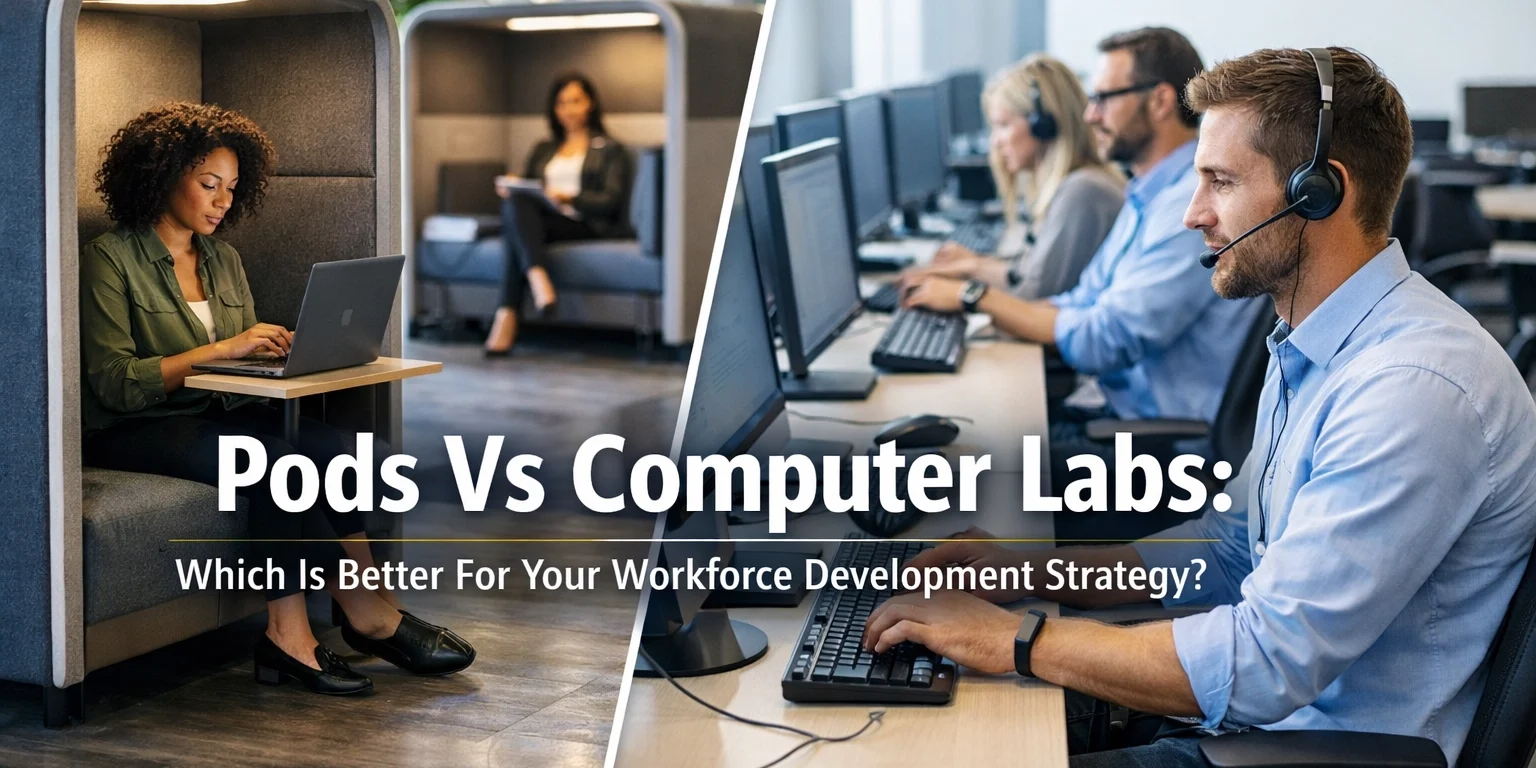
Remember when computer labs were the pinnacle of workforce training infrastructure? Rows of identical desktop towers, everyone staring at the same beige monitor, learning Excel shortcuts in perfect synchronization. Those days aren't completely gone, but they're getting a serious makeover. Enter: pods.
The debate between pods and traditional computer labs isn't just about furniture arrangements or aesthetic preferences. It's about how we're fundamentally rethinking workforce development in an era where cybersecurity specialists work remotely, logistics coordinators juggle multiple devices, and content creators need flexibility more than they need a fixed workstation.
What Exactly Are We Talking About Here?
Let's get our terms straight. A traditional computer lab is exactly what you'd picture, a dedicated room filled with desktop computers, each workstation identical to the next, everyone using the same software setup. It's consistent, it's predictable, and it's been the backbone of digital literacy training for decades.
Pods, on the other hand, are flexible learning environments that support mixed hardware. Think laptops, tablets, smartphones, and yes, even the occasional desktop. They're often cloud-based or use virtual lab environments that can be accessed from anywhere with an internet connection. Instead of everyone working in isolation at identical stations, pods encourage interaction and collaboration while still providing individual learning experiences.
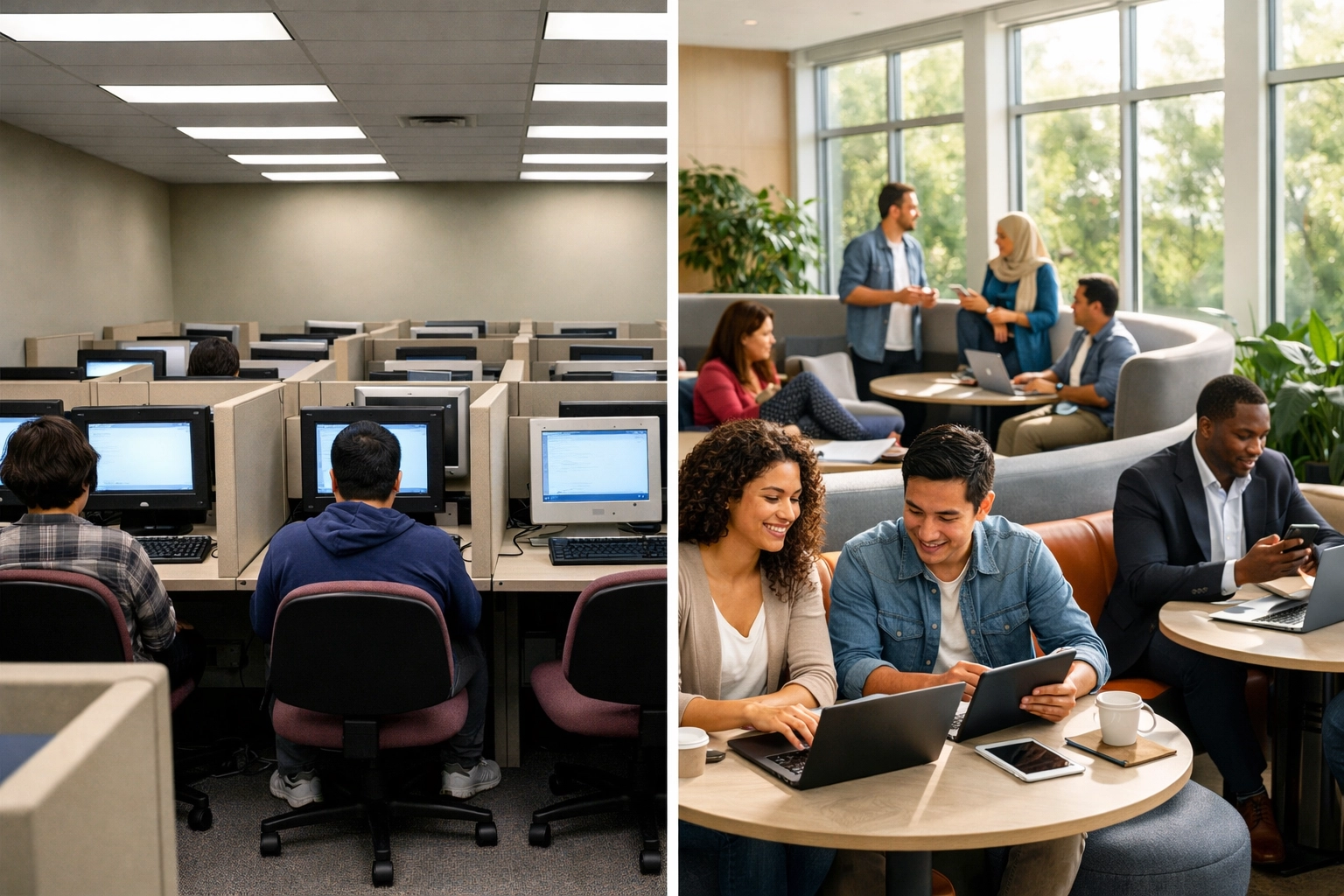
The infrastructure difference is significant. Computer labs sacrifice flexibility for consistency: everyone has guaranteed access to a machine, which eliminates the "I don't have a laptop" problem entirely. Pods sacrifice that infrastructure simplicity for operational flexibility, allowing learners to use whatever device works best for their situation.
The Interaction Factor Nobody Talks About
Here's where things get interesting. Research shows that students in pod-arranged classrooms demonstrate significantly more student-to-student and student-to-teacher interactions compared to traditional lab setups. This isn't just a nice-to-have feature: increased interaction directly correlates with improved engagement and better knowledge retention in educational settings.
Why does this matter for workforce development? Because the jobs we're training people for: especially in logistics, cybersecurity, and content creation: rarely happen in isolation. A cybersecurity analyst doesn't just sit alone detecting threats; they collaborate with IT teams, communicate with stakeholders, and coordinate responses across departments. Content creators constantly bounce ideas off collaborators, clients, and fellow creatives. Even logistics coordinators, who might seem like solo operators, need to coordinate with warehouse teams, shipping partners, and customer service representatives.
The pod model naturally prepares workers for this collaborative reality. When learners can easily turn to a neighbor, form quick project groups, or pull an instructor into a discussion without the physical barriers of fixed computer stations, they're practicing the soft skills they'll need just as much as the technical ones.
Career Pathways: Where Pods Really Shine
Let's break down three of the most in-demand career pathways and see how infrastructure choices impact training outcomes.
Cybersecurity Training
Virtual lab environments: essentially sophisticated pod systems: have become the gold standard for cybersecurity education. Platforms like NETLAB+ allow hands-on learning in networking, penetration testing, and critical infrastructure security without requiring expensive on-site equipment. Trainees can access simulated network environments from anywhere, practicing real-world scenarios without the risk of breaking actual systems.
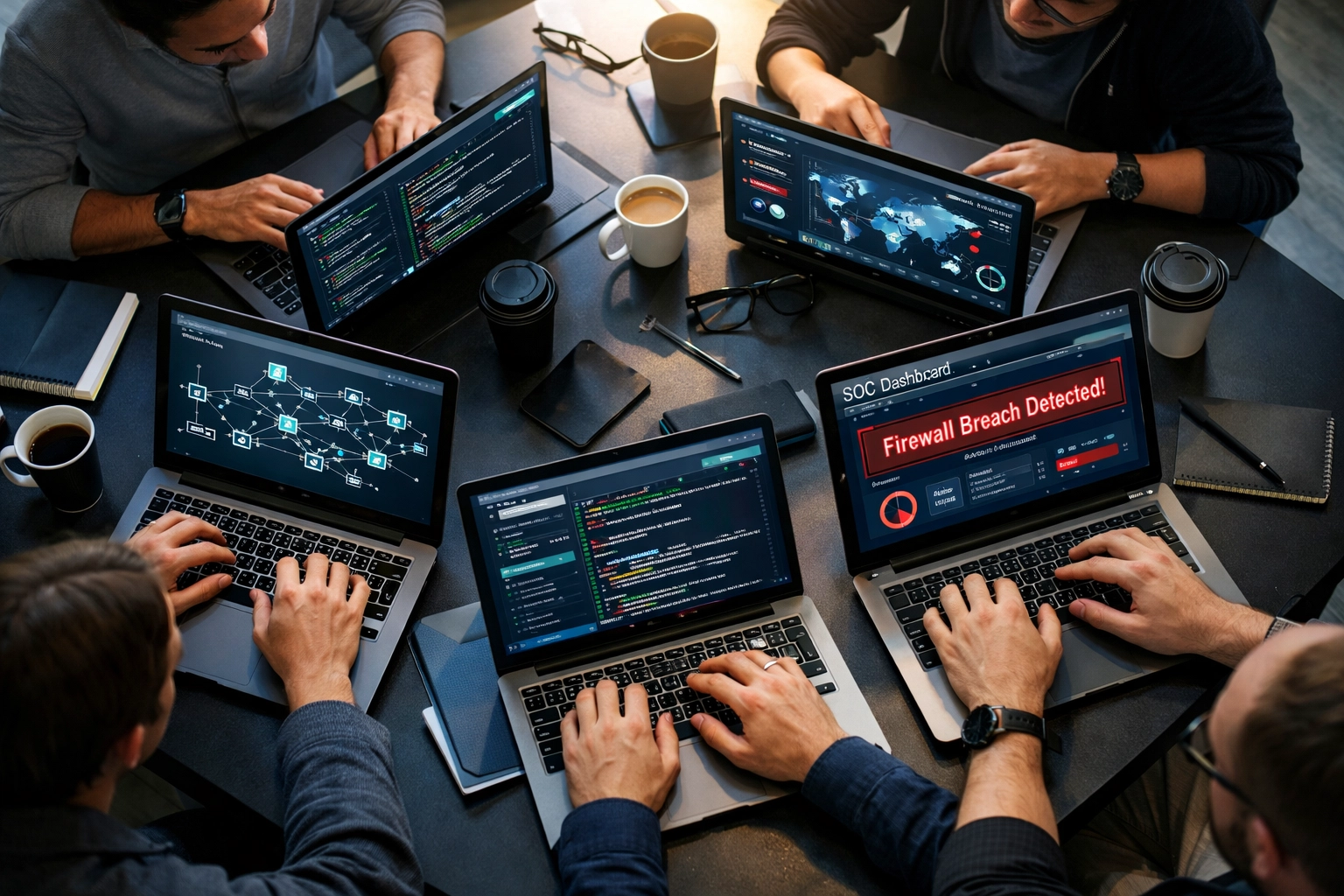
The cost implications alone are staggering. Instead of maintaining dozens of physical servers and network equipment, organizations can provide scalable, cloud-based access to virtual environments. As threats evolve, software updates roll out to everyone simultaneously, rather than requiring individual machine updates across a physical lab.
Logistics and Supply Chain Management
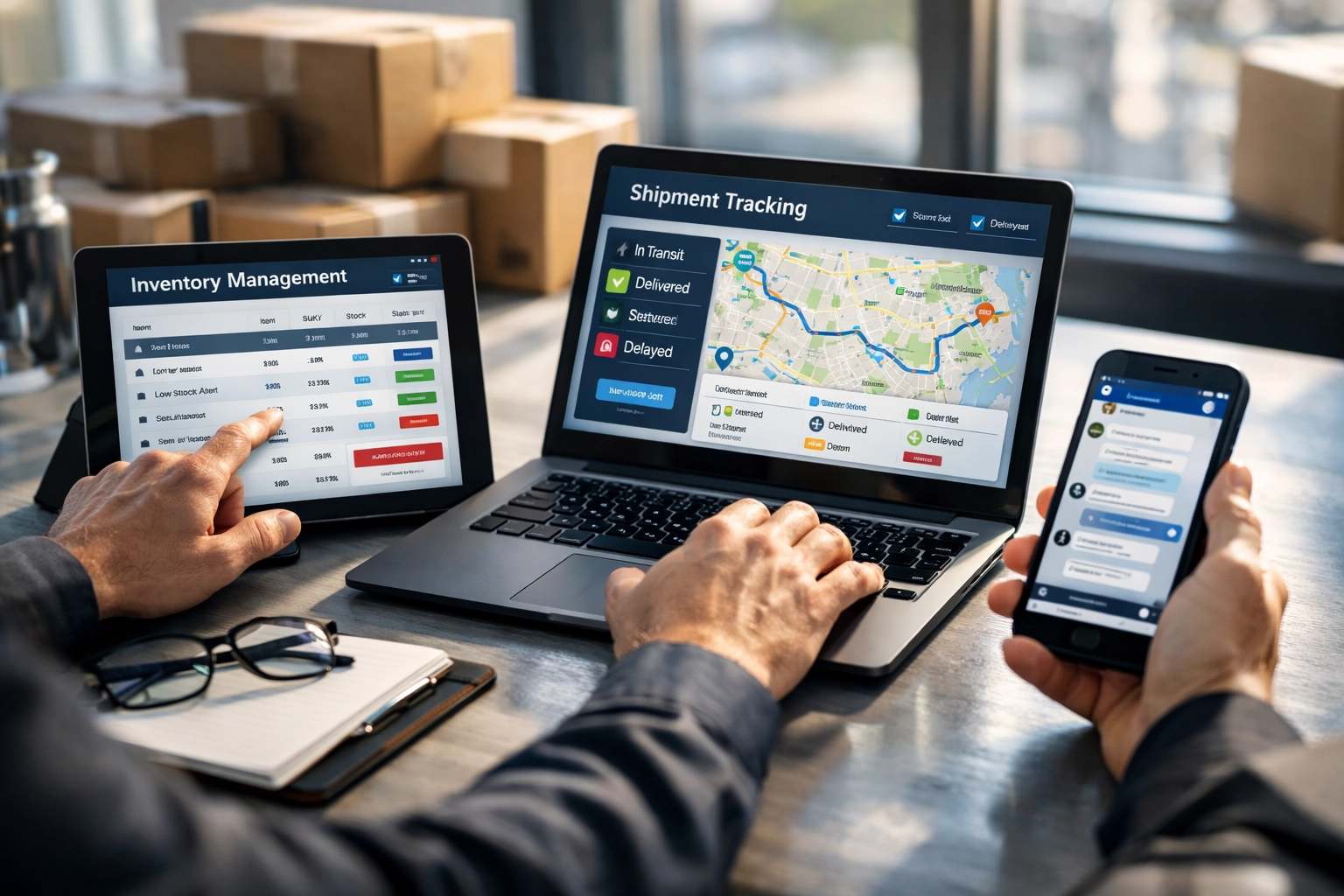
Logistics professionals need to be comfortable with multiple platforms simultaneously: warehouse management systems, transportation software, inventory databases, and communication tools. The rigid single-machine setup of traditional computer labs doesn't reflect the multi-device reality of modern logistics work.
Pod environments allow trainees to work across tablets for inventory tracking, laptops for data analysis, and smartphones for real-time communication: mirroring the actual workflow they'll encounter on the job. They can simulate the experience of coordinating shipments while monitoring warehouse operations while responding to customer inquiries, all using different devices in tandem.
Content Creation
Content creators might need the most flexibility of all. Video editors require powerful processing capability. Graphic designers need calibrated displays. Social media managers work primarily from mobile interfaces. Podcasters need audio equipment and recording software. Expecting all of this to happen at identical desktop stations is unrealistic.
Pods accommodate the varied hardware requirements of different creative disciplines. A content creation training program can have some participants editing video on high-powered laptops, others designing graphics on tablets with styluses, and still others managing social media campaigns from smartphones: all in the same learning environment, all receiving instruction and feedback in real time.
Scalability: The Advantage You Can't Ignore
Here's a practical consideration that doesn't get enough attention: traditional computer labs are geographically fixed. If you need to train workers in three different cities, you need three different labs with three sets of equipment, three facilities, and three times the overhead.
Pod-based workforce development can scale across locations without proportional infrastructure costs. Virtual environments can support distributed workforces, allowing participants to access training from home, community centers, or satellite offices. This is particularly valuable for rural workforce development initiatives where building a traditional computer lab in every small town simply isn't feasible.
The flexibility extends to scheduling as well. Computer labs require block scheduling: you can only train as many people as you have stations, during the hours the facility is open. Cloud-based pod systems can support asynchronous learning, allowing participants to complete modules when it fits their schedule, which is crucial for workers balancing training with existing jobs or family responsibilities.
When Computer Labs Still Make Sense
Let's be fair here: pods aren't always the answer. Traditional computer labs maintain important advantages in specific scenarios.
Foundational Digital Literacy
If you're working with populations who lack basic computer skills or don't own personal devices, guaranteed equipment access matters more than flexibility. Computer labs ensure that everyone, regardless of their economic situation, has equal access to technology and training. This equipment equality can be critical for workforce development programs serving low-income communities.
Specialized Software Requirements
Some industries require expensive, licensed software that isn't easily portable or cloud-based. Computer-aided design, certain engineering applications, and professional video editing suites often perform better on powerful desktop workstations than on consumer laptops or tablets. In these cases, the upfront investment in lab infrastructure pays for itself in consistent, high-quality training experiences.
Structured Learning Environments
Not everyone thrives with flexibility. Some learners perform better in structured environments with minimal distractions and clear boundaries between "work" and "home." Traditional labs provide that separation, which can be valuable for participants who struggle with self-directed learning or lack conducive study spaces at home.
Making the Strategic Choice
The real question isn't which infrastructure is objectively better: it's which aligns with your specific workforce development goals, target population, and available resources.
Consider pods if you're training for collaborative, tech-forward careers that require multi-platform fluency. They're ideal for scaling programs across geographic regions, accommodating diverse hardware needs, and preparing workers for the flexible, remote-capable workplaces that increasingly define modern employment.
Stick with computer labs if you're focused on foundational skills training, serving populations without device access, or teaching disciplines that require specialized, non-portable equipment. They remain valuable for ensuring equity and providing structured learning environments.
Or, consider a hybrid approach. Many successful workforce development programs maintain small computer labs for foundational training and equipment access while using pod-based virtual environments for advanced, specialized instruction. This combination provides the consistency of guaranteed equipment access with the flexibility and scalability of cloud-based learning.
The infrastructure you choose shapes not just where training happens, but how effectively it prepares workers for the careers they're pursuing. As logistics becomes more tech-driven, cybersecurity threats grow more sophisticated, and content creation tools continue multiplying, the ability to work flexibly across platforms and collaborate effectively isn't optional: it's essential. Your training infrastructure should reflect that reality.


