
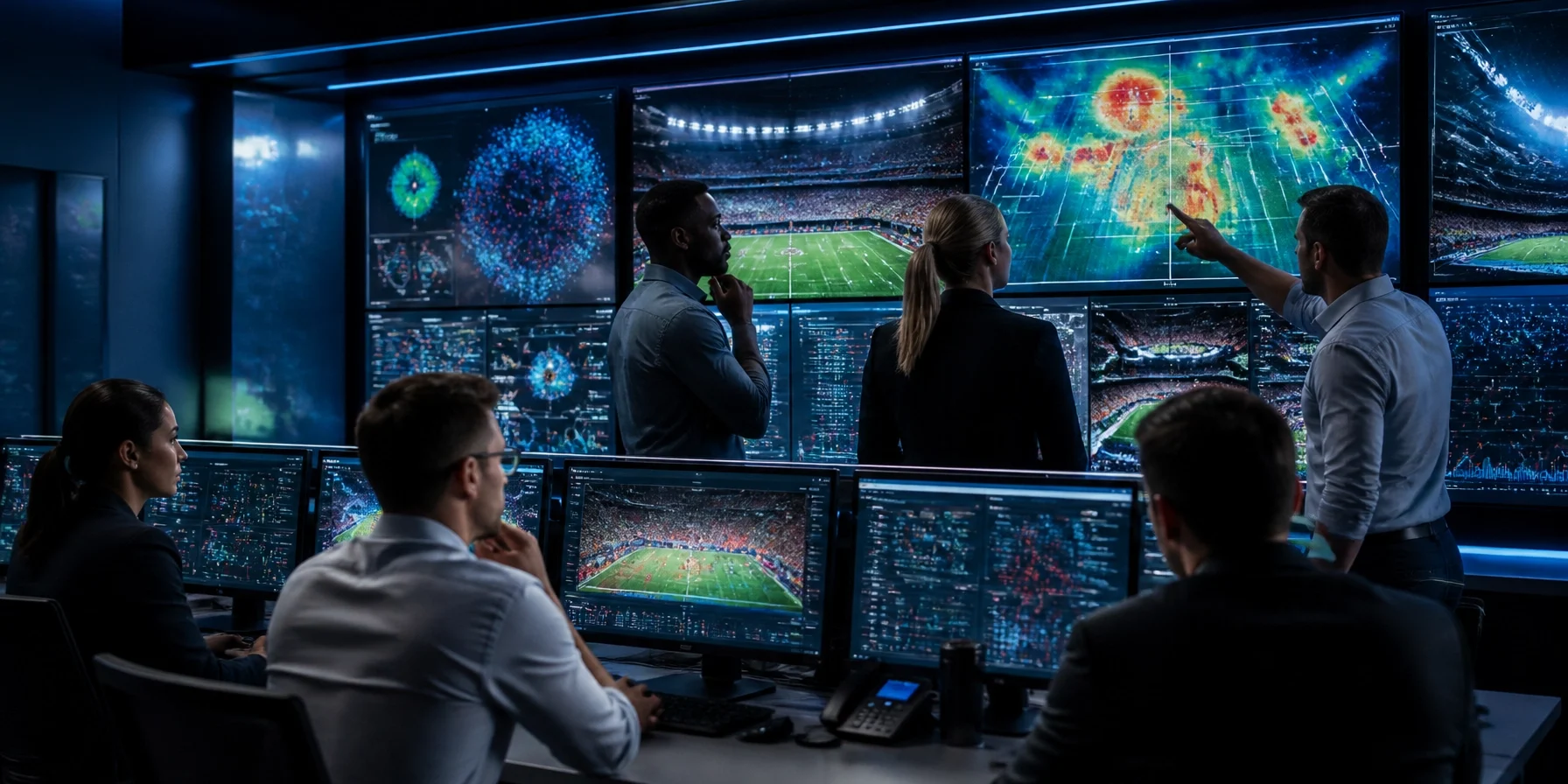
As we approach Super Bowl LX in 2026, the landscape of sports marketing has shifted from a single, high-octane television moment into a complex, multi-layered cultural ecosystem. For decades, the gold standard of advertising was the 30-second broadcast spot: a high-stakes gamble often costing millions for a fleeting window of attention. However, as the industry matures, a new paradigm has emerged. Data from the 2026 season indicates that the most successful brands are no longer just "buying an ad"; they are architecting comprehensive media environments that begin months before the coin toss and resonate long after the final whistle.
At USA Entertainment Ventures LLC, we specialize in the high-level management and strategic development required to navigate these shifting tides. The "secrets" to dominating Super Bowl 2026 aren't hidden in a vault; they are embedded in the sophisticated integration of artificial intelligence, localized digital networks, and the strategic use of athlete influence.
The AI Revolution: From Gimmick to Production Engine
One of the most significant shifts witnessed in the lead-up to 2026 is the transition of Artificial Intelligence (AI) from a creative novelty to a core production engine. In previous years, AI was often used as a talking point within the ad itself. Today, the secret lies in using AI behind the scenes to drive "modular creative."
Leading agencies are now utilizing AI to generate thousands of variations of a single campaign concept, tailored specifically for different demographics, platforms, and even real-time game situations. This allows a brand to maintain a consistent narrative while delivering hyper-relevant content to a Gen Z viewer on TikTok, a Boomer watching the broadcast, and a professional tracking the game via a digital scoreboard.
Technical research into the 2026 advertising cycle shows that AI-fueled campaigns saw a 9.1x higher impact than the median Super Bowl ad. This is not merely due to the "cool factor" but rather the efficiency of the delivery. By automating the production of 15-second "snackable" content that mirrors the core 30-second hero spot, brands are achieving a frequency of message that was previously cost-prohibitive.

Beyond the Screen: The "Out-of-Home" Dominance
While the television screen remains a central pillar, the true secret of the 2026 playbook is the "ground game": the physical and digital environment surrounding the fan experience. As highlighted in our recent strategic overview, modern sports media is about owning the entire arena.
The Sporttron Advantage
The digital landscape has expanded far beyond the mobile phone. Proprietary networks like Sporttron now provide access to over 780 venues nationwide, allowing brands to synchronize their messaging across ribbon boards, jumbotrons, and digital concourse displays. This ensures that the brand message is not just seen during a commercial break but is woven into the very fabric of the live event.
High-Touch Consumer Interaction
Experts often overlook the power of tangible fan experiences. Strategies involving "cup holders for charity" and high-touch concession platforms turn a brand from a visual distraction into a physical part of the fan’s day. This level of integration creates a cognitive link between the positive emotions of the game and the brand itself, a psychological phenomenon supported by numerous studies on consumer sentiment and brand affinity.
The Super Bowl Playbook: Sports Media's Advertising Strategy
To truly understand how these elements converge, one must look at the comprehensive strategy employed by industry leaders. The following video outlines the multi-faceted approach required to dominate the 2026 sports ecosystem:
https://www.youtube.com/watch?v=l6J-0zileKE
As the video illustrates, the modern campaign is a blend of veteran precision and cutting-edge technology. From billboards to the very floors customers walk on, every square inch of the sporting environment is a potential touchpoint for sports advertising excellence.
The NIL Revolution and the Voice of the Athlete
A secret often guarded by top-tier firms is the shift in power from traditional celebrity endorsements to the "authentic voice" of the student-athlete. Through Name, Image, and Likeness (NIL) platforms, brands can now tap into a network of over 20,000 athletes who define culture for the next generation.
In 2026, the data shows that consumers: particularly those in the Millennial and Gen Z cohorts: prioritize authenticity over polished celebrity. By bridging the gap between a corporate brand and a relatable student-athlete, companies are seeing a marked increase in ROI through predictive modeling and fan sentiment analysis. This "human-centric" approach is a cornerstone of how we approach media strategy at USA Entertainment Ventures LLC.

Nostalgia 2.0: The Millennial Pivot
While the future is focused on technology, the emotional "hook" of 2026 has been firmly planted in "Modern Nostalgia." We are seeing a strategic pivot toward 1990s and early 2000s cultural touchstones. This is a calculated move: the children of the 90s are now the primary decision-makers and high-spending consumers in the economy.
However, the secret is not just in recreating the past but in updating it. Successful 2026 campaigns use AI to sharpen the visuals of the past or use modern humor to subvert classic tropes. This "self-aware nostalgia" bridges the generational gap, providing a sense of comfort to older viewers while appearing "ironic" and "cool" to younger ones.
Actionable Takeaways for 2026 and Beyond
For businesses looking to implement these high-level strategies, we suggest the following practical steps:
- Adopt a Modular Creative Mindset: Stop thinking of your ad as a single video. Think of it as a "content kit" that can be rearranged for TV, social media, and OOH displays.
- Integrate Early and Often: Don't wait for the game. Start building your narrative arc weeks in advance using teasers and creator-led content.
- Leverage Localized Digital Networks: Use tools like ribbon boards and digital signage to ensure your message is inescapable within the physical stadium environment.
- Prioritize Authenticity: Look toward NIL platforms and digital-native creators who carry more weight with modern audiences than traditional Hollywood celebrities.

The Path Forward
The Super Bowl remains the ultimate stage for American commerce, but the rules of engagement have fundamentally changed. Success in 2026 requires a balance of authoritative data-driven management and a willingness to embrace new technological frontiers.
At USA Entertainment Ventures LLC, we believe that these strategies are not just for the global giants. By adopting a "cultural ecosystem" approach, businesses of all sizes can find their place within the grand narrative of the American sporting experience. As we look toward the future, the integration of professional management, technological innovation, and authentic storytelling will continue to be the benchmark for excellence in the industry.
Whether you are focused on business development or looking to refine your media presence, the secrets of the 2026 playbook are ready to be put into action. The future of sports media is here; it is time to dominate the arena.





