
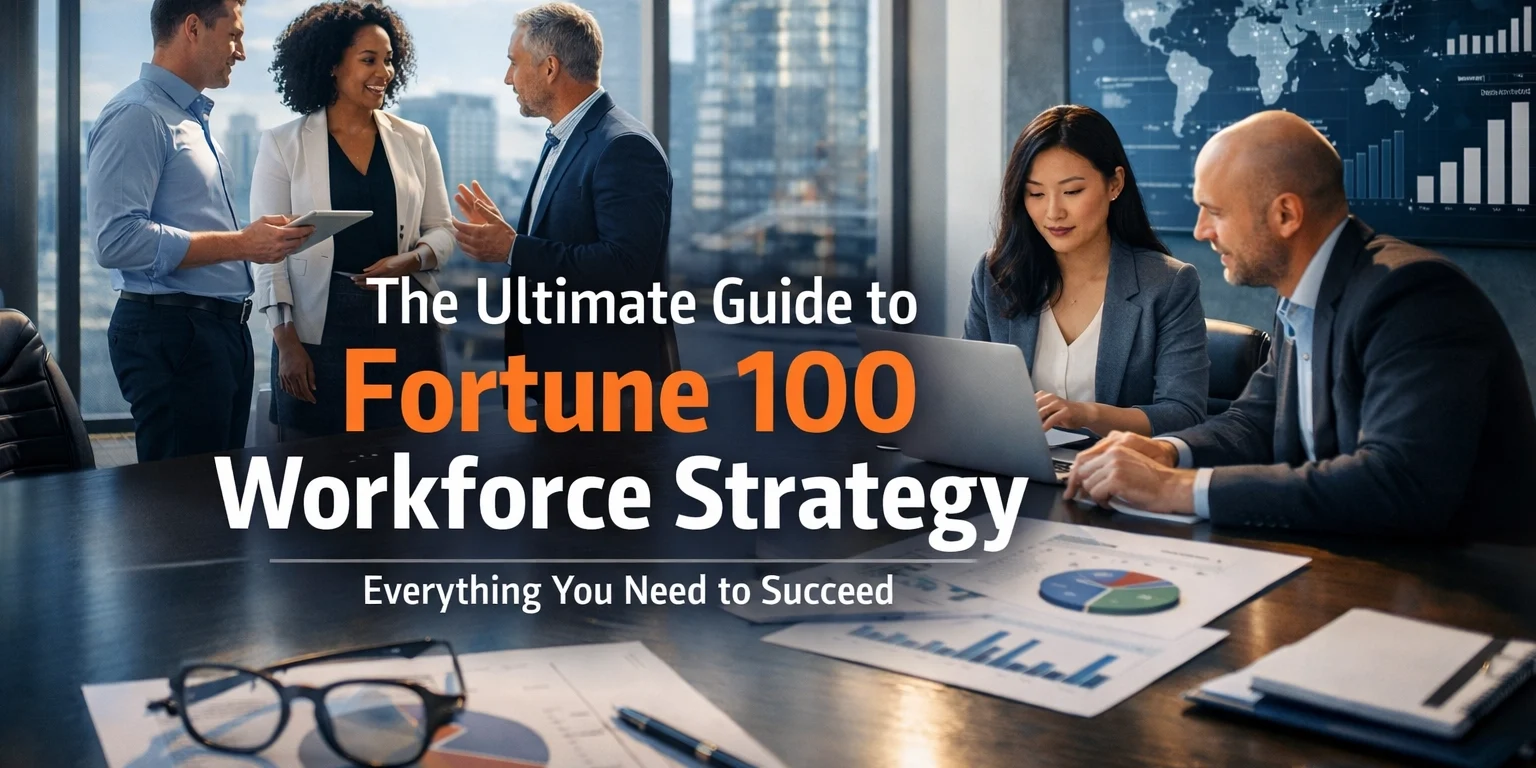
In the spring of 2026, the landscape of corporate America has shifted. We are no longer just talking about "hiring talent": we are talking about building resilient, data-literate ecosystems. For Fortune 100 companies, the strategy has moved away from traditional credential-based recruitment and toward a dynamic, skills-centered approach. At USA Entertainment Ventures LLC, we see this evolution every day. Our focus is on helping organizations transition from reactive hiring to becoming an anchor for "Future Ready" schools.
To succeed in this new era, executives must look beyond the standard HR playbook. This guide breaks down the essential pillars of a modern workforce strategy, focusing on data analytics, NIL (Name, Image, Likeness) education, and media literacy as the new gold standards for organizational excellence.
The Shift to "Future Ready" Talent Pipelines
The most successful companies are no longer waiting for talent to graduate and find them. Instead, they are moving upstream, establishing themselves as the foundation for "Future Ready" schools. A "Future Ready" school is one that integrates real-world business outcomes into its curriculum, ensuring that students are not just academically capable but professionally prepared.
By partnering with these institutions, Fortune 100 companies create a proactive talent pipeline. This isn't just about internships; it’s about long-term relationships where the company provides the framework for what skills are actually needed. Research shows that building these continuous pipelines allows candidates to become familiar with corporate culture long before they sign an employment contract.
Data Analytics Dashboards: The Executive’s North Star
In 2026, a workforce strategy is only as good as the data supporting it. We’ve moved past simple headcounts. Modern executives rely on sophisticated data analytics dashboards to track the entire employee lifecycle.
These dashboards provide real-time insights into:
- Skill Gaps: Identifying exactly where the organization lacks specific competencies.
- Predictive Retention: Using AI to determine which departments are at risk of turnover before it happens.
- ROI on Training: Correlating professional development spend with actual performance outcomes.
As Dan Kost, CEO of USA Entertainment Ventures LLC, often emphasizes, "If you can't measure the growth of your people, you can't manage the growth of your company." Making workforce planning a line-owned business process: rather than just an HR function: ensures that these analytics drive actual business decisions.

NIL Education: The New Frontier of Personal Branding
While Name, Image, and Likeness (NIL) began in the world of collegiate athletics, its principles have bled into the corporate workforce strategy. In a digital-first world, every employee is a brand ambassador. Fortune 100 companies are now integrating NIL education into their development programs.
Why does this matter for a business consultant or a tech giant? Because media literacy and personal brand management are essential for digital footprint safety and corporate reputation. NIL education teaches employees how to manage their digital presence, understand the value of their personal brand, and align their public persona with the company’s values. This transparency builds trust: a factor that research shows can lead to eight times more revenue per employee in high-trust workplaces.
Media Literacy and Communication Outcomes
In an era of rapid information exchange, media literacy is no longer an optional "soft skill." It is a technical necessity. A robust workforce strategy must include media literacy outcomes that train employees to:
- Filter Information: Distinguish between high-quality data and digital noise.
- Data Storytelling: Present complex analytics in a way that is simple and actionable.
- Crisis Navigation: Understand how to communicate during digital shifts or public-facing challenges.
Organizations that prioritize these capabilities report stronger team performance and higher innovation outcomes. When employees understand the "why" behind the media they consume and produce, the entire organization becomes more agile.

Skills-Based Hiring vs. Traditional Credentials
The data is clear: leading companies are moving away from evaluating candidates based solely on degrees and years of experience. Instead, they are developing internal "skills taxonomies." This involves:
- Defining exactly which competencies matter for specific roles.
- Implementing competency-based performance reviews.
- Creating transparent career pathways that show employees how learning new skills leads to promotion.
According to recent industry findings, this approach significantly improves retention rates. When an employee sees a clear path for growth based on what they can do rather than who they know, engagement skyrockets. You can find more about how we approach these structures in our portfolio of business solutions.
Building Fluid, Modular Structures
The traditional corporate hierarchy is being replaced by modular, fluid designs. In this model, teams form and reform based on specific project requirements rather than staying siloed in departments.
To make this work, Fortune 100 companies are investing in:
- Robust Project Management Systems: Keeping distributed teams aligned.
- Clear Work-Assignment Frameworks: Ensuring the right skills are applied to the right tasks at the right time.
- High-Trust Environments: As mentioned earlier, trust is a financial driver. Fluid teams cannot function without a baseline of organizational trust.
For those looking to explore how these transitions impact different sectors, our category sitemap offers a look into the diverse industries we consult for, from business to studio management.

Implementing the Strategy: Success Factors
Transformation doesn't happen overnight. It requires sustained executive commitment and realistic timelines. The most successful Fortune 100 implementations follow a specific pattern:
- Pilot Programs: Start with one department or one "Future Ready" school partnership to demonstrate value.
- Data-Driven Iteration: Use analytics to see what worked in the pilot and what didn't.
- Systematic Expansion: Roll out the strategy across the organization once the ROI is clear.
We often point clients to our feedback and history to show how these long-term strategies manifest in real-world results. Whether you are navigating complex business consulting or looking to update your corporate tags and taxonomies, the goal remains the same: a workforce that is ready for the future.
The "Future Ready" Conclusion
Success in the Fortune 100 landscape of 2026 requires a blend of data-driven precision and human-centric education. By focusing on data analytics dashboards, NIL education, and media literacy, companies can build a workforce that is not only competent but also highly adaptable.
Positioning your company as an anchor for "Future Ready" schools ensures that your talent pipeline is always full of individuals who understand the modern digital economy. It is an investment in both business growth and societal good, creating a sustainable model for the years to come.
As you look to refine your strategy, remember that the most valuable asset you have is not your technology or your real estate: it is the collective skill set and trust of your people. Stay focused on the data, invest in literacy, and the results will follow.
For more insights into modern business strategy and executive leadership, feel free to explore our full list of articles.





