
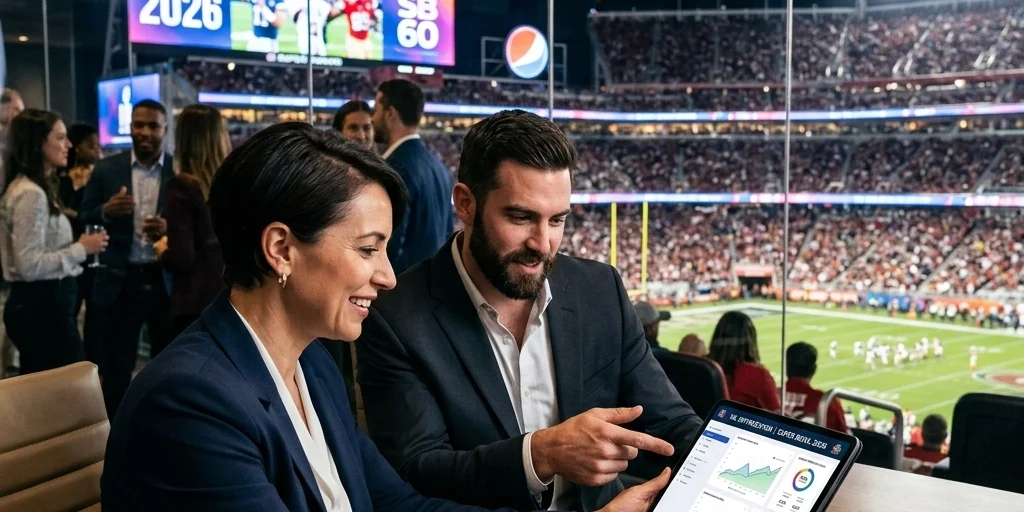
As we move through the second quarter of 2026, the marketing landscape has shifted permanently. The traditional "Big Game" advertising playbook, once dominated exclusively by high-budget 30-second television spots, has been rewritten. For Fortune 100 brands, the focus has moved from passive viewership to active, multi-channel engagement. At the heart of this transformation are Name, Image, and Likeness (NIL) platforms.
In February 2026, we witnessed a historic convergence of collegiate talent and professional spectacle. For the first time, NIL activations didn't just support Super Bowl campaigns; they led them. This guide explores how these platforms have become the essential bridge for major corporations looking to capture the attention of a fragmented, digital-first audience.
The Death of the Passive Spectator
The era of the "captive audience" is over. Recent data indicates that over 70% of viewers now engage with a second screen: usually a smartphone or tablet: while watching major sporting events. For a Fortune 100 brand, spending $7 million on a broadcast ad is no longer enough to guarantee a lasting impression. If the viewer is looking at their phone during the commercial break, the investment loses its primary impact.
NIL platforms solve this "second-screen" problem by placing the brand directly into the hands of the athletes the audience is already following. When a star player or a rising collegiate prospect shares a real-time reaction to a game-changing play, they aren't just a spokesperson; they are a participant in the cultural moment. This authenticity is the currency of 2026.

What is an NIL Platform?
To the uninitiated, an NIL platform might look like a simple talent agency, but for the modern enterprise, it is a sophisticated, data-driven marketplace. These platforms utilize advanced AI to match brands with athletes based on deep audience alignment, sentiment analysis, and historical engagement rates.
As Dan Kost, CEO of USA Entertainment Ventures LLC, often emphasizes, the goal is to simplify the complex. These platforms handle the "heavy lifting": from automated vetting to ensure there are no conflicts with existing league sponsorships to standardized legal contracts that protect both the brand and the athlete.
For a Fortune 100 company, the primary barrier to NIL has always been the perceived legal risk and the logistical nightmare of managing hundreds of individual contracts. Modern platforms have eliminated these hurdles, offering a streamlined "plug-and-play" solution that allows for massive scale.
The NIL Revolution: Bridging the Gap
The integration of NIL into the Super Bowl ecosystem represents a fundamental shift in how we perceive athlete value. It is no longer just about the top 1% of NFL stars; it is about the "long tail" of influence.
https://www.youtube.com/watch?v=l6J-0zileKE
As shown in the video above, the NIL revolution is about bridging the gap between the stadium and the digital world. It allows brands to create a narrative that begins weeks before kickoff and continues long after the trophy is raised.
Why Fortune 100 Brands are Pivoting to NIL
The shift in marketing spend toward NIL platforms is driven by three primary factors:
1. Authenticity Over Reach
While a television ad reaches millions, it often lacks the personal touch that builds brand loyalty. An athlete sharing a behind-the-scenes look at their Super Bowl experience feels organic. For Gen Z and Millennial consumers, who value transparency, this athlete-driven content carries significantly more weight than a polished corporate message.
2. Real-Time Engagement
Television ads are static. They are filmed months in advance and cannot react to the flow of the game. NIL rosters are dynamic. In 2026, we saw brands like those represented by Sports Media Inc. utilize athletes to react to live moments: controversial calls, spectacular catches, and even halftime show highlights: ensuring the brand stayed relevant throughout the entire four-hour broadcast.
3. Data-Driven Precision
Unlike traditional broadcast metrics, which rely on estimates and broad demographics, NIL campaigns offer granular data. Brands can track clicks, sentiment, conversion rates, and direct sales through athlete-specific promo codes. This level of accountability is essential for C-suite executives at Fortune 100 companies who demand a clear Return on Investment (ROI).

The Three-Phase Strategy for Success
To succeed at the scale of the Super Bowl, Fortune 100 brands must move beyond one-off posts. The most successful campaigns of 2026 followed a rigorous three-phase framework.
Phase I: The Momentum Build (Pre-Game)
The campaign starts in December and January. Brands use NIL platforms to identify athletes who are part of the playoff narrative. By creating "Road to the Championship" content series, brands build narrative equity. By the time Super Bowl Sunday arrives, the audience is already invested in the athlete’s journey with the brand.
Phase II: The Real-Time Blitz (Game Day)
This is where the platform’s technology is tested. On game day, the brand’s NIL roster becomes a "digital cheering section." Athletes post reactions, host live streams, and engage with fans in the comments. This ensures that whenever a viewer looks at their phone, the brand is there, represented by a familiar and trusted face.
Phase III: The Conversion Tail (Post-Game)
The week following the Super Bowl is the "conversion peak." Athletes share "recap" content, behind-the-scenes footage from the after-parties, and exclusive post-game offers. This phase is critical for moving the audience from "awareness" to "action."
Navigating the Compliance Minefield
For any business consulting firm, the primary concern for a Fortune 100 client is compliance. NIL regulations are a patchwork of state laws and evolving NCAA guidelines. A single misstep can result in a PR nightmare or legal action.
The leading NIL platforms of 2026 have mitigated this by providing:
- Automated Vetting: Systems that cross-reference athlete contracts with team and league-wide "prohibited categories."
- Transparent Auditing: A clear paper trail for every dollar spent and every deliverable met.
- Pre-vetted Legal Templates: Contracts designed to handle the specific complexities of the Super Bowl environment.

Proven Results: The 2026 "Blitz" Campaign Data
To understand the scale of what is possible, we need to look at the numbers from the 2026 Super Bowl cycle. The "Blitz" campaign, one of the largest coordinated NIL efforts in history, provided a roadmap for future success:
- Total Participation: 1,247 athletes across 43 sports.
- Combined Reach: 847 million social media impressions during the 72 hours surrounding the game.
- Average Engagement Rate: 8.7% (compared to the 1.2% industry average for traditional digital ads).
- Economic Impact: $15 million in partnership opportunities created in a single weekend.
These statistics confirm that NIL platforms are not just a trend; they are an essential component of the modern marketing mix. Brands that ignored this shift found themselves shouting into a vacuum, while those that embraced NIL found a direct line to their consumers' hearts: and wallets.

Looking Ahead: The Future of Sports Fandom
The success of NIL at the 2026 Super Bowl has set a new standard. We are moving toward a future where "Virtual NIL" experiences in the metaverse and AI-driven personalized athlete messages will become the norm. For Fortune 100 brands, the message is clear: the most valuable real estate isn't on the stadium scoreboard; it’s in the digital relationship between an athlete and their fans.
USA Entertainment Ventures LLC remains at the forefront of this evolution, helping brands navigate the complex intersection of sports, entertainment, and technology. Whether you are looking at the category sitemap for past successes or planning for the 2027 season, the time to integrate NIL platforms into your core strategy is now.
The "Big Game" has changed. The question is, has your brand changed with it?
Actionable Takeaways for Your Brand:
- Shift Budget: Allocate at least 20% of your major event budget to digital NIL activations to capture the second-screen audience.
- Focus on "The Tail": Don't just chase the top three stars. Use platforms to find 50 mid-tier athletes with high engagement rates.
- Prioritize Compliance: Only use platforms that offer automated vetting and standardized legal frameworks to protect your brand equity.
- Extend the Timeline: Start your Super Bowl narrative two months early. The game is the climax, not the entire story.
By adopting these strategies, Fortune 100 companies can ensure they don't just participate in the cultural zeitgeist: they lead it. For more information on how to leverage these platforms for your next major campaign, visit our portfolio or explore our latest news and updates.





