
The landscape of professional recruitment and talent management has undergone a seismic shift as we navigate the midpoint of 2026. The traditional metrics of success: grade point averages and static resumes: have been superseded by a more dynamic, data-driven approach. Today’s high-performing organizations no longer look solely at where a candidate has been; they use sophisticated workforce dashboards to predict where a candidate can go.
For executives and educational leaders, the challenge is no longer just finding talent, but understanding it. As the "Future Ready" school movement gains momentum, the integration of data analytics into the talent pipeline has become the standard for those seeking to bridge the gap between the classroom and the high-stakes world of modern industry and Department of Defense (DOD) recruitment.
The New Foundation: Why NIL and Media Literacy Matter
To understand the next generation of talent, one must first understand the environment in which they were forged. The rise of Name, Image, and Likeness (NIL) opportunities has transformed student-athletes and creators into micro-entrepreneurs long before they enter the traditional workforce. Simultaneously, the explosion of generative AI and digital content has made media literacy a non-negotiable skill for professional survival.
In 2026, media literacy is no longer just about identifying "fake news." It is a technical competency. According to recent findings from the Bipartisan Policy Center, demand for AI-related skills in job postings has surged by over 144% year-over-year. This shift necessitates a new kind of education: one that is tracked and verified through robust data systems.

"We are seeing a convergence of branding, ethics, and digital fluency," notes one industry analyst. "Students who understand NIL and media literacy are essentially coming to the table with a pre-vetted portfolio of business acumen and technical awareness."
For schools positioned as "Future Ready," teaching these subjects is the first step. The second, more critical step is measuring them. This is where the next-gen talent funnel becomes visible. To see how these elements combine to create a powerhouse recruitment strategy, you can explore the next generation talent funnel explained in under 3 minutes.
The Workforce Dashboard: Your Command Center
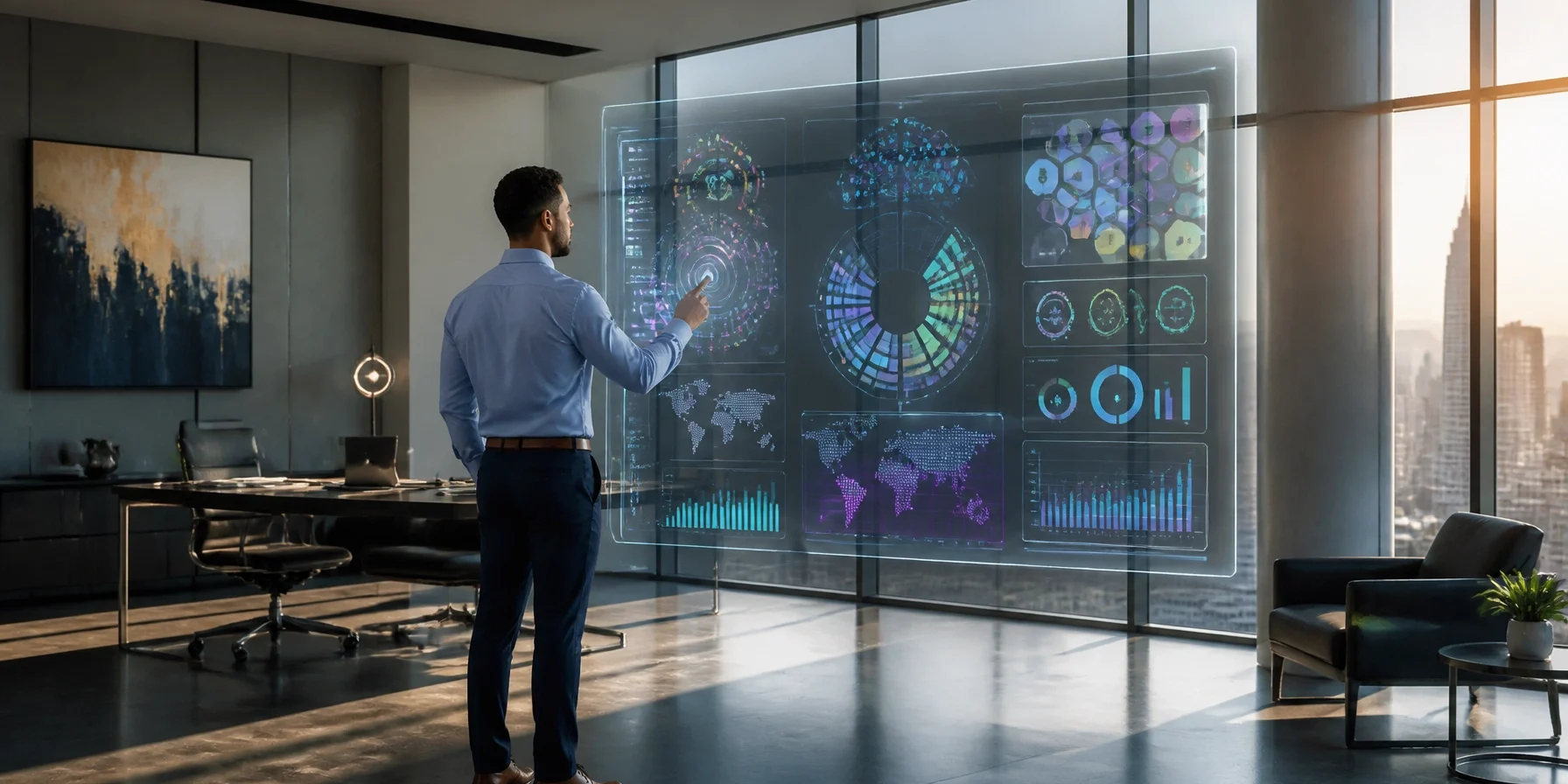
A workforce dashboard in 2026 is far more than a collection of charts and graphs. It is a real-time, AI-driven command center that provides a 360-degree view of the talent pipeline. For organizations like USA Entertainment Ventures LLC, these dashboards are essential for managing complex divisions and the DOD SkillBridge recruitment process.
Key Components of a 2026 Dashboard:
- Skills-Based Taxonomies: Rather than tracking credits, modern dashboards track competencies. They use unified data platforms to pull information from Learning Management Systems (LMS) and industry-recognized certifications.
- Predictive Analytics: By analyzing current skill mastery, these systems can forecast future staffing needs and identify potential gaps before they become crises.
- Real-Time Adherence: For managers, live dashboards show current productivity and engagement levels, allowing for immediate intervention and support.
The transition from backward-looking reports to forward-looking predictions is the hallmark of a mature workforce strategy. Many organizations fail to realize that data is a living asset. You can learn more about avoiding common pitfalls in our guide on 7 mistakes you're making with workforce strategy and how data fixes them.
Bridging the Gap: 'Future Ready' Schools and the DOD SkillBridge
One of the most significant innovations in the 2026 talent market is the formalization of the pipeline between "Future Ready" schools and specialized recruitment programs like the DOD SkillBridge. This program allows transitioning service members to gain valuable civilian work experience through internships and apprenticeships.
By utilizing workforce dashboards, schools can align their curriculum: including NIL education and media literacy: directly with the requirements of these high-level recruitment programs. This ensures that when a student or service member enters the dashboard, they are not just a name, but a verified set of skills ready for deployment.

The integration of modular learning environments, such as tech pods, has further accelerated this readiness. These spaces allow for the hands-on experience required for cyber careers and high-tech management roles. For a deeper look at why physical learning spaces are evolving, read about why modular pods are the new hotspot for cyber careers.
Actionable Metrics: What You Should Be Tracking
To succeed with next-gen talent, your dashboard must prioritize metrics that reflect the realities of the 2026 economy. If you are not tracking the following, your organization may be operating with a significant blind spot:
- NIL Competency Scores: How well do your candidates understand contracts, personal branding, and compliance? This is a proxy for financial and legal literacy. For those navigating this space, our ultimate guide to NIL platforms provides a foundational overview.
- Media Literacy Badges: Does the candidate have verified skills in identifying algorithmic bias or managing digital reputation?
- Work-Based Learning (WBL) Hours: Quantitative proof of time spent in actual workplace environments, whether virtual or physical.
- AI Skill Alignment: The degree to which a candidate's technical skills match the rapidly evolving demands of the AI-integrated workplace.
Conclusion: A Future-Focused Strategy
The adoption of workforce dashboards is not merely a technological upgrade; it is a strategic necessity. By focusing on data analytics, NIL education, and media literacy, organizations can transform their recruitment from a guessing game into a precision science.
As we look toward the future, the companies and schools that thrive will be those that view talent as a continuous stream of data points to be nurtured and optimized. USA Entertainment Ventures LLC stands as an anchor for this transition, providing the management expertise and recruitment frameworks necessary for "Future Ready" success.

The path forward is clear: embrace the data, verify the skills, and build the dashboards that will define the next decade of professional excellence. The future of talent is already here( it’s just waiting to be measured.)





