
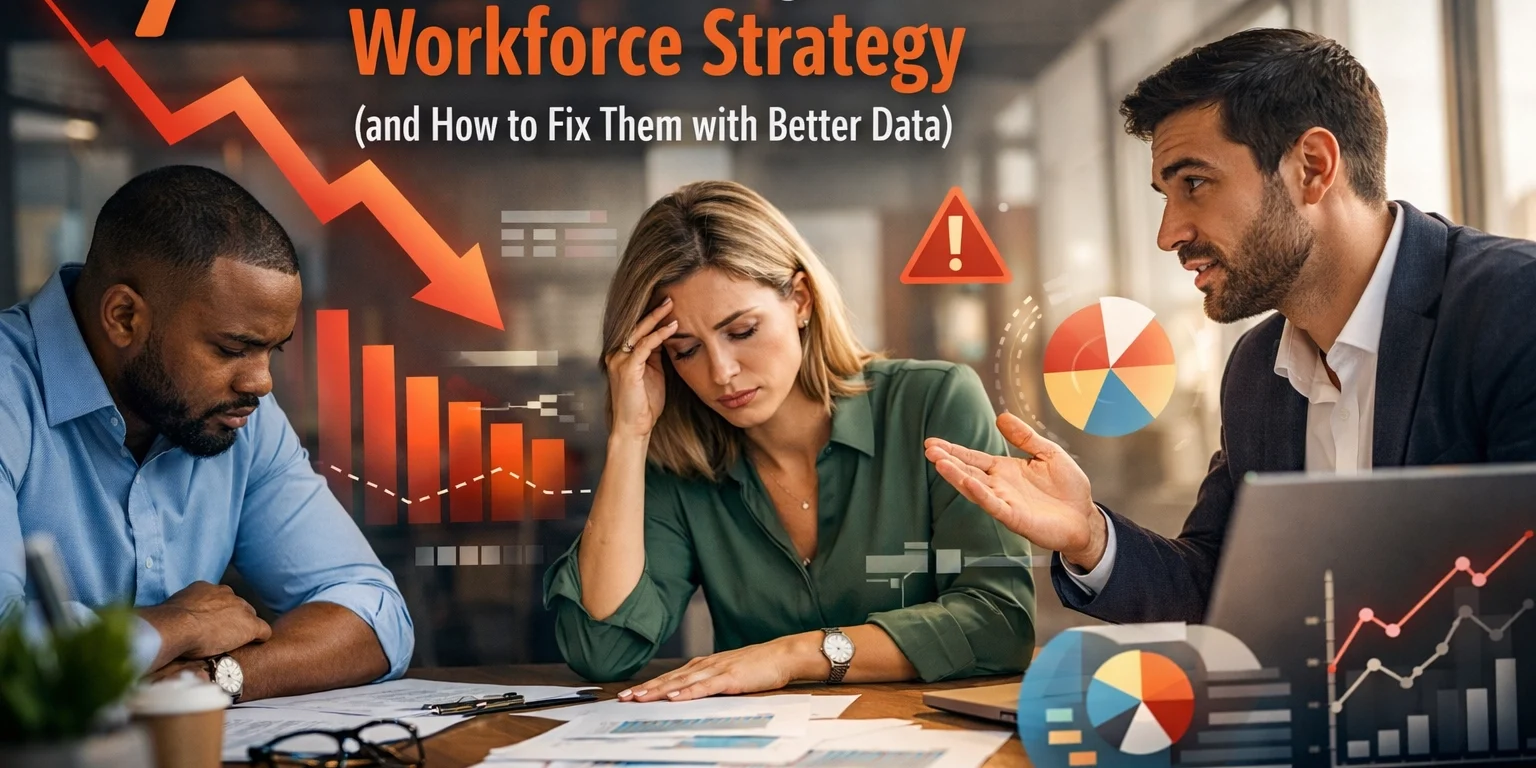
As we navigate the first quarter of 2026, the landscape of workforce development has shifted from traditional recruitment to a more complex ecosystem of talent cultivation. For many executives, the strategies that worked three years ago are now the very things holding their organizations back. At USA Entertainment Ventures LLC, we see these patterns daily: brilliant companies struggling not because they lack talent, but because their strategy is built on outdated assumptions and fragmented data.
Building a "Future Ready" organization requires more than just filling seats; it requires a deep integration between education, media literacy, and real-time data analytics. Whether you are leading a Fortune 100 company or steering a school district toward better student outcomes, identifying these seven common mistakes is the first step toward a more resilient workforce infrastructure.
1. Treating Workforce Planning as a Reactive Firefight
The most common mistake leaders make is approaching workforce planning as a response to a crisis rather than a proactive business function. When staffing decisions are driven by missed production targets, sudden turnover, or urgent customer demands, the result is always the same: higher costs and lower quality.
Reactive planning leads to rushed onboarding and inconsistent performance. To fix this, organizations must shift toward proactive, data-informed planning. By utilizing data analytics dashboards, leaders can anticipate vacancies months before they occur. These dashboards allow for "what-if" scenario modeling, helping you understand how a 5% increase in market demand or a 10% turnover rate in a specific department will impact your bottom line.
2. Focusing on Headcount Instead of Skill Capability
Many strategies focus on the "magic number": how many bodies are needed to complete a task. However, having 100 people in a room doesn't guarantee success if they lack the specific competencies required for 2026’s technological environment.
The fix lies in moving from "headcount tracking" to "skill mapping." Modern workforce strategies must prioritize the required certifications, technical proficiency, and soft skills like media literacy. By tracking these metrics through integrated platforms, you can identify "skill deserts" within your organization and address them through targeted upskilling before they become bottlenecks.

3. Ignoring the Power of NIL Education in Talent Pipelines
In the current era, the lines between professional athletics, student life, and corporate branding have blurred. A significant mistake is failing to recognize the value of NIL (Name, Image, and Likeness) education as a foundational component of workforce readiness.
For schools and universities, NIL is not just about sports; it is a masterclass in entrepreneurship, personal branding, and contract law. Students who understand how to manage their personal brand are better prepared for the modern workforce. USA Entertainment Ventures LLC positions itself as an anchor for "Future Ready" schools by integrating NIL literacy into the broader career curriculum. When students learn to manage their professional identity early, they enter the workforce with a level of maturity and business acumen that traditional education often misses.
4. Overlooking Media Literacy as a Core Competency
We live in a world where every employee is a potential brand ambassador: or a potential liability. Many workforce strategies fail to include media literacy outcomes as a key performance indicator (KPI).
Media literacy is no longer just for communications majors; it is an essential skill for every level of the workforce. It involves understanding how information is consumed, shared, and manipulated. A workforce that lacks media literacy is susceptible to misinformation and can inadvertently damage a company’s reputation. Fix this by incorporating media literacy training into your professional development tracks. A media-literate workforce is better at critical thinking, strategic communication, and navigating the digital complexities of the modern marketplace.
5. Starting with Vacancies Instead of Strategic Goals
Too many organizations begin their workforce planning only after a role becomes vacant. This puts the employer in a permanent state of "catch-up." This reactive approach often leads to misaligned hires and repeated turnover cycles.
Strategic goals should dictate your workforce needs, not the other way around. Ask: "Where is the business headed in 2027?" or "Which skills will be obsolete in 18 months?" By aligning your hiring roadmap with long-term business objectives, you can build a pipeline of talent that is ready to grow with the company. For more on how to align these goals, explore our insights on the National Workforce Infrastructure Rollout.
6. Underestimating the High Cost of Turnover and Absences
Many workforce plans are built for "blue sky" scenarios where everyone shows up and stays forever. This is a mathematical fallacy. Failing to account for turnover and absences leaves your operations vulnerable.
Better data allows you to build "buffers" into your strategy. By analyzing historical attendance data and industry-standard turnover rates through your data analytics dashboards, you can determine the "true" staffing levels needed to maintain stability. This prevents the burnout associated with constant overtime, which is a primary driver of further turnover.
7. Failing to Review and Update the Plan Regularly
Workforce strategy is not a "set it and forget it" document. Market conditions, production volumes, and customer expectations evolve rapidly. A plan created in January might be irrelevant by June.
The fix is a commitment to regular review cycles. Leadership, finance, and HR must operate from a single source of truth. At USA Entertainment Ventures LLC, we advocate for monthly "Data-Syncs" where executives review dashboard metrics to make small, incremental adjustments. This prevents the need for massive, disruptive organizational shifts later on.
The Role of "Future Ready" Schools
To truly solve the workforce crisis, we must look at the source: our educational institutions. USA Entertainment Ventures LLC works as a strategic partner to bridge the gap between the classroom and the boardroom. We help schools become "Future Ready" by providing the infrastructure for media literacy, NIL education, and career-aligned data tracking.
When schools adopt these frameworks, they produce graduates who aren't just looking for jobs: they are ready to contribute to high-level strategic goals from day one. This alignment is essential for long-term economic stability and corporate success. You can learn more about our mission on our About Us page.

Implementing the Fix: A Data-Driven Roadmap
Fixing your workforce strategy doesn't happen overnight, but it does happen through deliberate, data-driven steps:
- Audit Your Current Data: Do you have a centralized dashboard, or is your information trapped in spreadsheets?
- Define Your Literacy Goals: Move beyond technical skills to include media and financial literacy.
- Engage Educational Anchors: Partner with organizations that are shaping the next generation of talent.
- Model for Reality: Use your analytics to plan for turnover, not just growth.
By addressing these seven mistakes, you transition your organization from a reactive posture to a proactive powerhouse. The future of work isn't just about who you hire; it’s about the data you use to find, train, and retain them.
Moving Forward
The complexities of the 2026 workforce require a sophisticated approach. By integrating data analytics dashboards, prioritizing NIL education, and demanding high media literacy outcomes, you set the stage for sustained growth.
USA Entertainment Ventures LLC is committed to helping businesses and schools navigate this transition. Whether you are looking to refine your services or build a comprehensive workforce infrastructure, the path forward is clear: better data leads to better decisions, and better decisions lead to a future-ready workforce.

As we look toward 2027 and beyond, the organizations that thrive will be those that treat their people strategy with the same analytical rigor as their financial strategy. It’s time to stop guessing and start growing with the right data in hand.





