
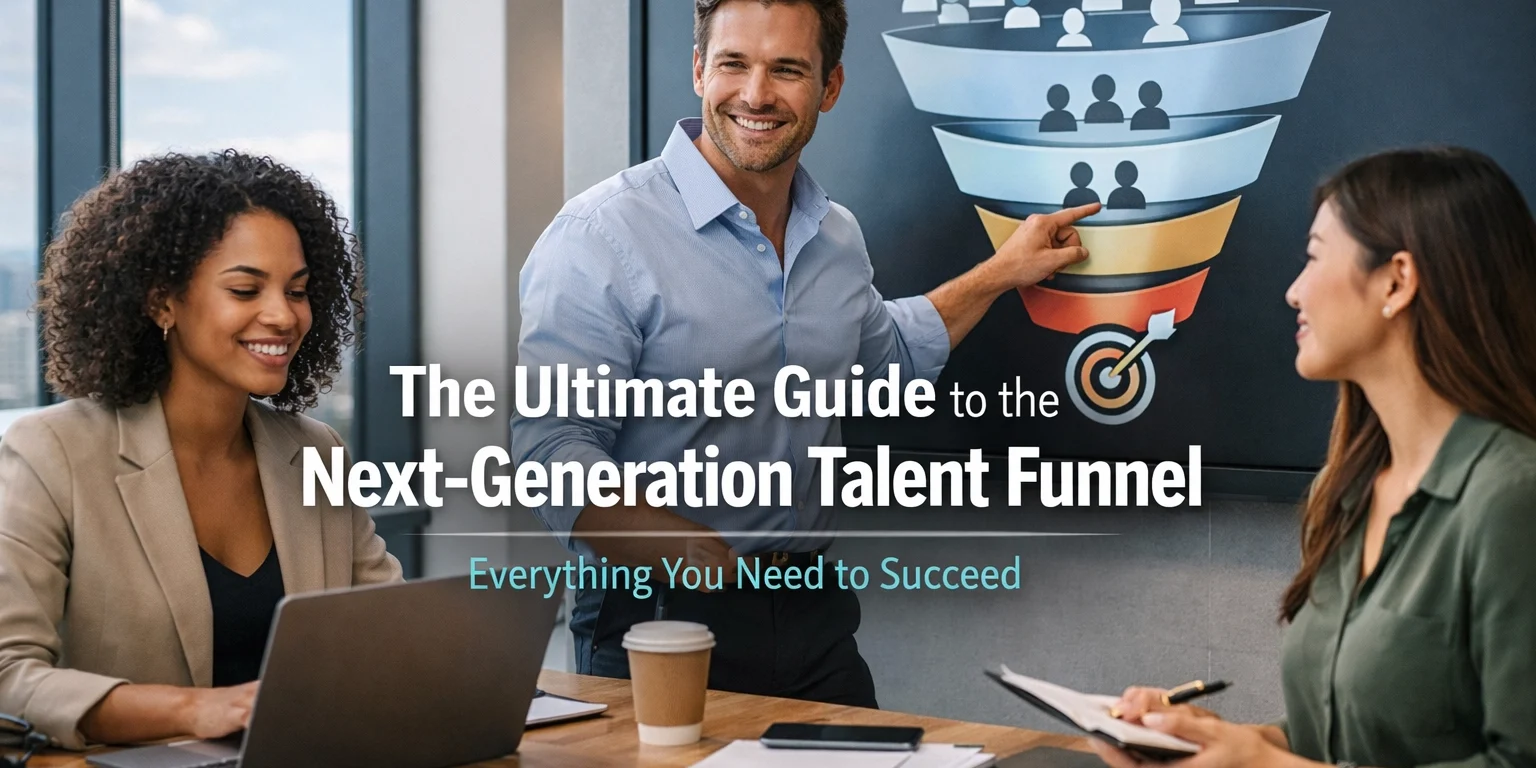
In the rapidly evolving landscape of 2026, the traditional methods of talent acquisition are no longer sufficient to meet the demands of a technology-driven economy. As sectors such as Artificial Intelligence (AI), Cloud Computing, and Data Analytics continue to expand, the "war for talent" has shifted from the boardroom to the classroom. Companies that wait until a candidate has a university degree to begin their recruitment efforts are often finding themselves years behind the competition.
The concept of a "Next-Generation Talent Funnel" represents a fundamental shift in how businesses perceive recruitment. It is no longer about finding the right person for a job; it is about building the right person for the future of your organization. By reaching into high schools and engaging with students early, businesses can shape the skills, mindsets, and loyalties of the next workforce.
What is a Next-Generation Talent Funnel?
A next-generation talent funnel is a strategic framework that replaces traditional, reactive hiring models with a proactive, development-focused approach. Instead of searching for existing talent in an increasingly crowded and expensive open market, companies establish relationships with potential talent during their formative high school years.
This approach allows a business to influence what students learn, provide early exposure to proprietary or industry-standard tools, and create a "funnel-grown" workforce. These individuals arrive on day one with a deep understanding of the company’s technical ecosystem and organizational culture.
Why High School? The Urgency of Early Engagement
The decision to focus on high school students is driven by the speed of technological change. In fields like AI and Data Analytics, the foundational logic and technical literacy required are being developed earlier than ever. Waiting until post-secondary education means competing with every other major tech firm for a limited pool of graduates who already have multiple offers.
Research indicates that engaging early is no longer a luxury reserved for the Fortune 500; it is a fundamental requirement for any business looking to maintain a competitive edge. By entering the high school space, companies can identify high-aptitude individuals before they have been influenced by competitors or traditional academic paths that may not align with current industry needs.
The Skills Gap in Cloud, AI, and Data
Despite the ubiquity of these technologies, a significant skills gap remains. Many traditional educational curricula struggle to keep pace with the iterative nature of Cloud architecture or the rapid deployment of new AI models. By building a direct funnel, companies can ensure that the next generation of workers is trained on the specific tools and methodologies that the business actually uses.

The Three-Tiered Implementation Structure
Building a talent funnel is not an overnight process. It requires a structured approach that moves from broad awareness to practical, hands-on integration.
Tier 1: Awareness and Inspiration
The top of the funnel is about visibility. The goal here is to introduce students to the possibilities within the industry. High school students often have a vague understanding of "tech" but may not realize what a career in Cloud documentation or Data cleaning actually looks like.
- Guest Speaking Engagements: Industry professionals visiting classrooms to discuss real-world applications of technology.
- Virtual Tours: Hosting "Day in the Life" sessions that show the physical and digital environments of the modern workplace.
- Sponsorships: Supporting local science fairs or STEM competitions to build brand recognition among students and parents.
Tier 2: Hands-On Exploration
Once awareness is established, the next step is providing practical opportunities for students to test their skills. This is where the funnel begins to narrow, identifying those with a genuine interest and aptitude for the work.
- Hackathons: Short-term, high-intensity events where students solve real-world problems using specific data sets or AI tools.
- Summer Boot Camps: Intensive programs focused on the basics of Cloud architecture or coding.
- Club Sponsorships: Providing hardware, software licenses, or mentorship to school coding clubs.
Tier 3: Practical Integration and Internships
The final tier involves moving the most promising students into a professional environment. This is a low-risk way for companies to vet future full-time hires while providing students with invaluable resume-building experience.
Through programs like those found at USA Entertainment Ventures Internship, students can perform actual work, such as basic model testing or data visualization, ensuring they are job-ready long before they formally enter the market.

Key Differentiators: Skills Over Credentials
One of the most significant shifts in the next-generation talent funnel is the move toward skills-based assessment. Historically, a college degree served as a proxy for capability. However, in the modern era, what a candidate can do is far more important than where they went to school.
The next-gen model prioritizes coding challenges, logic tests, and data projects over traditional credentials. This approach has two primary benefits:
- Objective Identification: It identifies high-aptitude individuals who may not have the means or desire to follow a traditional four-year academic path.
- Bias Removal: It helps remove the inherent biases found in traditional hiring, focusing purely on the logic and problem-solving skills necessary for AI and Data roles.
Strategic Advantages of the Next-Gen Model
Implementing a talent funnel is a long-term investment that offers substantial strategic advantages.
Diversity and Inclusion
By engaging with high schools in diverse socioeconomic neighborhoods, companies can reach historically overlooked talent. This is not just a matter of corporate social responsibility; it is a business necessity. Diverse teams are essential for building unbiased AI models and understanding global data sets. A talent funnel that reaches into varied communities ensures a wider pool of capability and perspective.
Competitive Positioning and Cost Reduction
The cost of acquiring senior-level talent in the open market is at an all-time high. A talent funnel allows companies to "grow" their own experts, significantly reducing recruitment costs over time. Furthermore, because these individuals have been nurtured within the company's own ecosystem, they often exhibit higher rates of loyalty and retention.

Implementing a Hybrid Engagement Model
Success in building a talent funnel requires a balance between digital reach and physical presence. While online learning modules and remote mentorship are essential for reaching rural or underserved areas, physical connection remains vital.
Quarterly regional workshops, local office visits, and face-to-face mentorship sessions help build the community connection that keeps students engaged with the brand over several years. This hybrid approach ensures that the funnel is both broad in its reach and deep in its impact.
How to Get Started
For businesses looking to implement these strategies, the process begins with a shift in perspective. Recruitment should no longer be viewed as a function of the Human Resources department alone; it is a core business strategy that requires involvement from technical leads and executive leadership.
- Identify Your Future Needs: What skills will your company need in three to five years? Focus your funnel on those areas.
- Partner with Local Schools: Reach out to vocational programs and STEM coordinators to see where your expertise can add value to their curriculum.
- Leverage Consulting Expertise: If you are unsure where to begin, professional Business Consulting can help design a funnel that aligns with your specific industry goals.
- Create Clear Pathways: Ensure that there is a clear "next step" for every student who engages with your program, whether it is a certificate, an internship, or a full-time role.

Conclusion: A Forward-Looking Strategy
The Next-Generation Talent Funnel is more than a recruitment trend; it is a response to the fundamental restructuring of the global workforce. As AI and Cloud technologies continue to redefine the nature of work, the companies that thrive will be those that take an active role in educating and preparing their future employees.
By investing in the high school students of today, businesses are not only securing their own future but are also contributing to a more skilled, diverse, and resilient societal workforce. The opportunity to shape the talent of tomorrow exists right now. It is time to start building.
For more information on how to structure your organization for future success, visit our About Us page or Contact our team to discuss your strategic needs.





