
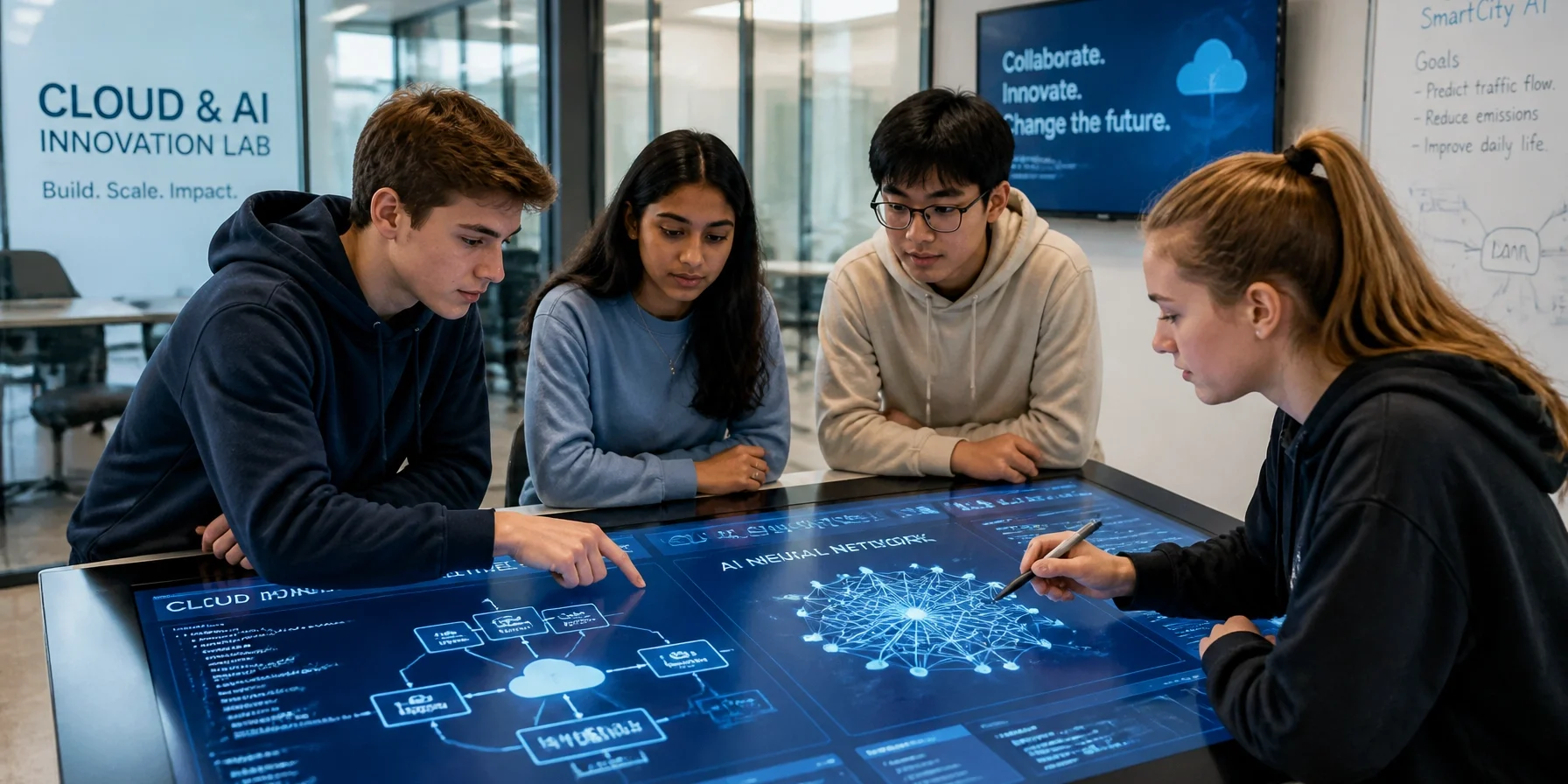
The modern enterprise is engaged in a silent, high-stakes competition. As digital transformation shifts from a strategic advantage to a survival requirement, the demand for specialized talent in Cloud computing, Artificial Intelligence (AI), and Data Analytics has reached a critical juncture. However, according to recent executive surveys, only 16% of leaders feel comfortable with the current level of technology talent available to drive their organizations forward.
While many organizations focus their recruitment efforts on a small pool of university graduates and experienced hires, this "finished product" approach is failing to meet the sheer scale of the demand. Research suggests that the demand for technical talent is currently projected to be two to four times greater than the available supply. To bridge this gap, forward-thinking organizations are looking upstream.
At USA Entertainment Ventures LLC, we observe that the most resilient talent strategies are those that begin early: specifically at the high school level. By cultivating a "Next-Gen Talent Funnel," businesses can secure the specialized skills they need while circumventing the systemic failures of traditional recruitment pipelines.
Here are 10 reasons why your current tech talent funnel is struggling and why high school engagement is the necessary solution.
1. The "2.5-Year Half-Life" Problem
Technical skills now have an incredibly short lifespan. Industry data indicates that the half-life of many technical skills is approximately 2.5 years. By the time a university student completes a four-year degree, much of the foundational technology they studied in their freshman year has been superseded by newer frameworks or platforms. High school programs allow companies to introduce the most current, relevant tools: such as specific Cloud infrastructure or AI models: at the very start of a student's technical journey.
2. University Curricula Move Too Slowly
Traditional education systems often struggle to update curricula at the speed of technological change. While a university might take years to approve a new degree path in Generative AI, a corporate-sponsored high school program can pivot in months. This lag creates a persistent gap between academic training and real-world industrial requirements.

3. The Erosion of Traditional Entry-Level Roles
Automation and AI are fundamentally reshaping what "entry-level" means. Many tasks that were once handled by junior developers are now managed by off-the-shelf cloud services or AI-driven code assistants. This has raised the bar for entry. Organizations that engage with high schools can create custom training paths that prepare students for these more complex, modern entry-level roles before they even reach the job market.
4. Excessive Cost of Acquisition
The competition for the "top 10%" of university graduates has driven acquisition costs to unsustainable levels. Between signing bonuses, recruiter fees, and inflated starting salaries, the ROI on traditional college recruitment is shrinking. Investing in local high school talent is a "buy-low" strategy that focuses on potential rather than bidding on a crowded, expensive commodity.
5. Lack of Practical Data Literacy
Data is the fuel for AI, yet many candidates enter the workforce with theoretical knowledge but zero practical experience in data governance or cleaning. High school students can be introduced to basic business analytics and data hygiene early on, ensuring they have the foundational mindset required for advanced AI and machine learning roles later.
6. Geographic Talent Wars
Relying on remote or relocated talent puts companies in direct competition with global tech giants. By fostering a local talent ecosystem within regional high schools, businesses can build a sustainable workforce that is rooted in their community. This local focus reduces turnover and simplifies the logistics of team management.
7. The Culture of Early Loyalty
Students who receive mentorship, internships, and certification opportunities from a company while still in high school often develop a deep sense of loyalty to that brand. This "grow-your-own" approach leads to higher retention rates compared to "mercenary" hires who move between companies every 18 months for salary bumps.

8. Missing Entry Points for Diverse Talent
Traditional funnels often filter out high-potential candidates from under-resourced communities who may not have the means to attend elite universities. High school engagement democratizes access to the tech sector. By reaching girls, students of color, and rural students early, companies can build a truly diverse workforce that brings a wider range of perspectives to problem-solving in technology and innovation.
9. Failure to Leverage "DOD SkillBridge" Models
At USA Entertainment Ventures LLC, we advocate for structured pathways similar to the DOD SkillBridge program, which assists transitioning service members. Applying this "bridge" philosophy to the transition from high school to the workforce allows for a seamless flow of talent. Without these structured entry points, promising students often drift into other industries or fall through the cracks of the education system.
10. AI Infrastructure Demand Outstripping Implementation
There is no evidence that AI is reducing the demand for tech talent; in fact, it is increasing it. Companies are currently racing to build the infrastructure and governance needed to deploy AI tools. This requires a massive volume of "doers": technicians who can manage cloud environments and monitor AI outputs. High schools are the ideal place to begin training this "implementation layer" of the workforce.
The Solution: Building the Bridge
The fix for a broken talent funnel is a shift in perspective. Instead of viewing high schools as a distant source of future consumers, companies must view them as active laboratories for future talent.
Actionable Steps for Your Organization
- Establish Partnerships: Collaborate with local school districts to co-design technology modules. This ensures the curriculum aligns with your specific needs in Cloud or Data.
- Offer "Pre-Apprenticeships": Create paid, short-term project opportunities for high school juniors and seniors to work on real-world business challenges.
- Sponsor Certifications: Fund student attempts at entry-level cloud certifications (e.g., AWS Certified Cloud Practitioner or Microsoft Azure Fundamentals). These provide students with a tangible industry credential before they graduate.

Conclusion: A Future-Focused Strategy
The tech talent gap is not a temporary hurdle; it is a structural challenge that requires a structural solution. By moving your recruitment efforts "upstream" into the high school ecosystem, you are not just filling seats; you are building a resilient, loyal, and highly specialized workforce capable of navigating the complexities of the AI and Cloud era.
As we look toward 2030, the organizations that thrive will be those that stopped waiting for the perfect candidate to appear and instead took the initiative to build them. The high school classroom is no longer just a place for general education; it is the new front line of global business development.
For more insights on managing business growth and technological transition, visit our business consulting resources.





