
The global business landscape is currently navigating a period of unprecedented technological acceleration. For Fortune 100 leaders, the primary challenge is no longer just the adoption of new technology; it is the acquisition and retention of the talent required to operate it. As artificial intelligence (AI), cloud computing, and advanced data analytics become the backbone of modern enterprise, the traditional methods of recruitment are proving insufficient.
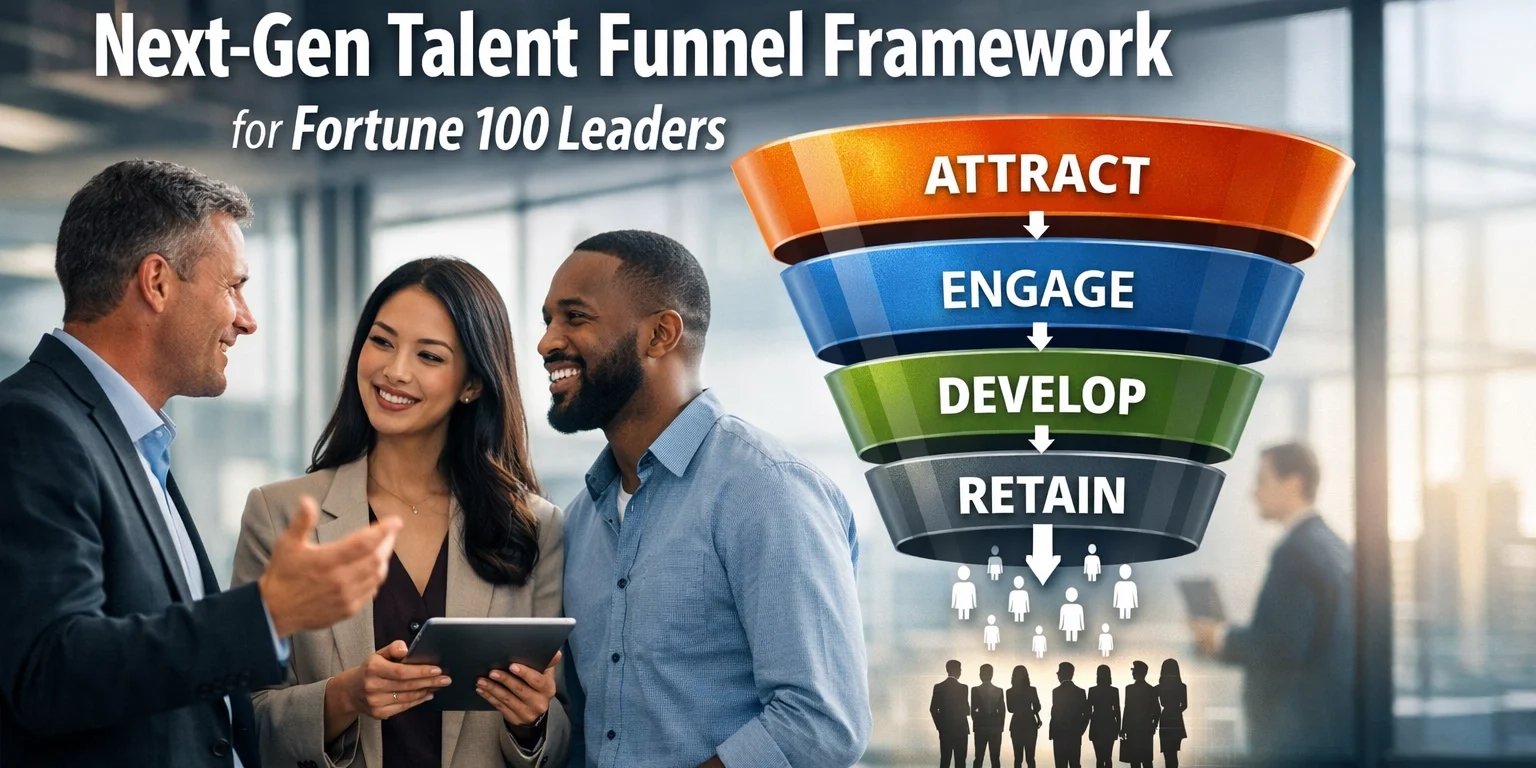
For decades, the standard procedure for large organizations has been reactive: waiting for students to complete four-year degrees before competing in a crowded market for their attention. However, as the gap between technological evolution and academic output widens, this strategy is failing. The solution lies in a proactive, "upstream" approach known as the Next-Gen Talent Funnel Framework. By shifting focus from reactive hiring to long-term talent cultivation: starting as early as high school: companies can secure their future workforce and build a sustainable pipeline of specialized leaders.
The Core Philosophy: Talent as a Strategic Asset
To succeed in this new era, leadership must adopt a fundamental shift in perspective. Talent should no longer be viewed as a recruitment expense but as a strategic asset and a supply chain management function. Just as a manufacturer would not wait until their warehouse is empty to order raw materials, a Fortune 100 company cannot wait for a skills gap to appear before seeking talent.
The Next-Gen Talent Funnel Framework allows organizations to "pre-order" the skills they will need three to five years in advance. This approach recognizes that the most critical competencies in Cloud, AI, and Data Analytics are best developed through continuous engagement rather than isolated hiring events. By establishing early connections, companies create brand affinity and shape the specific skills of their future employees before they even enter the traditional labor market.

Step 1: Moving Engagement Upstream
The first step in the framework is moving engagement upstream. This involves establishing direct partnerships with high schools to introduce students to the realities of careers in emerging fields.
The goal is not to deliver a sales pitch, but to provide educational value. When a Fortune 100 company enters a high school environment, it has the opportunity to demystify complex fields like AI and Data Analytics. By providing students with a clear view of what a "day in the life" looks like at a major corporation, businesses can influence career paths before students select their college majors or alternative certifications. This early exposure is vital for ensuring that the talent pool of the future is both large enough and sufficiently skilled to meet industry demands.
Step 2: Prioritizing Skills Over Credentials
A significant component of the modern talent funnel is the transition to a "skills-first" hiring model. Traditional recruitment often relies on the prestige of an academic institution as a proxy for capability. However, in fast-moving fields like Cloud architecture or dataset manipulation, practical ability is often more relevant than a degree earned several years prior.
Fortune 100 leaders are increasingly evaluating candidates based on their ability to perform specific tasks. This might include analyzing a data set, configuring a virtual environment, or debugging a machine learning model. By broadening the search to include those with industry-recognized certifications: such as those from AWS, Microsoft, or Google: companies can access a wider and more diverse talent pool. This approach is particularly effective in identifying high-potential individuals in underserved areas who may have the aptitude for tech but lack the path to an Ivy League education.

Step 3: Implementing a Tiered Engagement Strategy
A successful talent funnel is not a single event; it is a journey. The framework utilizes a structured, three-level engagement strategy to guide potential talent from initial interest to full-time employment.
Level 1: Awareness
This stage focuses on broad outreach. Through guest speakers, virtual "Day in the Life" workshops, and interactive seminars, companies spark interest in technical careers. The focus here is on high-level concepts and showing students the impact they can have through technology.
Level 2: Skill Building
Once interest is established, the funnel moves to skill building. Organizations offer virtual workshops, mentorship programs, and guided paths toward entry-level certifications. This stage is critical for filtering high-potential individuals who demonstrate the discipline and curiosity required for high-level technical roles.
Level 3: Strategic Engagement
The final stage involves intensive, hands-on experience. This includes paid internships, technical bootcamps, and capstone projects where students work on real-world business problems. By the time a student reaches this level, they are already familiar with the company's culture, tools, and expectations.
Step 4: Deploying a Hybrid Engagement Model
In a globalized economy, the talent funnel must be accessible. A hybrid engagement model combines the broad reach of digital platforms with the depth of in-person interaction.
Digital platforms allow companies to reach students in rural or underserved urban areas who might otherwise be overlooked. These platforms can host training modules, virtual mentorship sessions, and collaborative projects. However, in-person touchpoints remain essential for high-intensity mentorship and final-stage evaluations. This hybrid approach ensures that the funnel is both inclusive and rigorous, allowing for the discovery of talent regardless of geographical constraints.

Step 5: Tracking Progress and Measuring Conversion
A framework is only as effective as the data behind it. Fortune 100 companies must treat the talent funnel with the same analytical rigor as any other business unit. Key Performance Indicators (KPIs) should include:
- Progression Rates: The percentage of students who move from Level 1 to Level 2.
- Skill Acquisition: The number of industry-recognized certifications earned by participants.
- Conversion Rates: The percentage of program participants who eventually transition into full-time roles or apprenticeships.
- Retention: The long-term performance and stay-rate of employees who entered through the funnel compared to traditional hires.
By monitoring these metrics, organizations can refine their approach and ensure a high return on their investment in human capital. For those looking to optimize their organizational strategies, USA Entertainment Ventures LLC provides business consulting services that align with these modern workforce demands.
Supporting Infrastructure and National Impact
The Next-Gen Talent Funnel does not exist in a vacuum. It is part of a broader national workforce infrastructure. This infrastructure relies on a three-tier model of partnership development, planning, and program delivery.
By aligning training curricula with the real-time job demands of the Fortune 100, the gap between education and employment can be closed. This involves not just corporate action, but coordination between business leaders, educational institutions, and government bodies to identify regional skills gaps and deploy technical apprenticeships that provide wraparound services for students.

A Forward-Looking Strategy for Leadership
The shift toward an upstream talent strategy is a necessity for any organization that intends to remain competitive in the age of AI. The companies that will lead the next decade are those currently building relationships in high school classrooms and community colleges today.
By treating talent development as a core business function: and by implementing a structured, data-driven funnel: Fortune 100 leaders can move beyond the "war for talent" and into a period of talent creation. This strategy not only benefits the bottom line by reducing recruitment costs and increasing retention, but it also contributes to the broader societal good by providing clear, accessible pathways into the most lucrative and impactful careers of the future.
For more insights into how modern enterprises are navigating these shifts, you can explore our latest updates at ZooMedia News or learn more about our strategic approach at USA Entertainment Ventures LLC.
The future of Cloud, AI, and Data Analytics is not just in the code we write, but in the people we prepare to write it. The time to start building that future is now.





