
In the rapidly evolving business landscape of 2026, the traditional methods of talent acquisition are no longer sufficient. For years, organizations have relied on a reactive recruitment model: waiting for students to complete a four-year degree, filtering through resumes, and competing in a saturated market for the same small pool of "ready-made" professionals. However, as technologies like Artificial Intelligence (AI), Cloud computing, and Data Analytics continue to accelerate, the gap between what is taught in universities and what is required in the boardroom has widened.
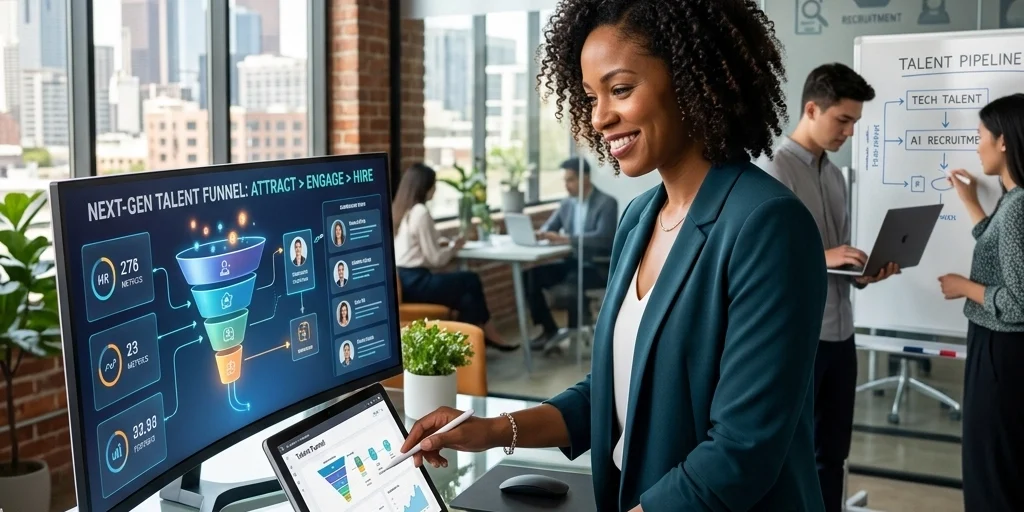
The solution is a fundamental shift in strategy. Forward-thinking companies are no longer just hiring talent; they are building it. This is the essence of the Next-Gen Talent Funnel. By engaging with students as early as high school, businesses can cultivate a proprietary ecosystem of skilled individuals who are already aligned with their technical requirements and corporate culture before they even enter the full-time job market.
The Shift from Selection to Development
Traditionally, the recruitment funnel was designed for selection. You cast a wide net at the top and narrowed it down to a few hires at the bottom. The next-gen model replaces this passive selection with active development. Instead of competing for a university graduate who likely has three other offers, companies are now creating pathways for high schoolers to specialize in niche technical fields early on.
This proactive approach is not just a human resources initiative; it is a strategic business imperative. When a company invests in a high schooler through mentorship or structured learning, they are essentially "locking in" future capacity. This reduces the long-term cost of hire and ensures that the talent entering the organization is already familiar with the specific tech stack and operational workflows used by the firm.

Why High School is the New Recruitment Frontier
The decision to move the "top of the funnel" to the high school level is based on two primary factors: cognitive adaptability and market scarcity.
First, high school students are digital natives who have grown up in an era of generative AI and ubiquitous cloud access. Their ability to adapt to new interfaces and programming paradigms is at its peak. Second, the scarcity of specialized talent in 2026 means that by the time a student reaches their junior year of college, they have already been targeted by dozens of recruiters. By starting earlier, your organization becomes the "incumbent" brand in that student’s career journey.
Establishing a presence in high schools allows companies to demystify complex industries. Many students may have the aptitude for Cloud Infrastructure or Data Analytics but lack the exposure to see these as viable career paths. By providing that exposure, you aren't just finding talent: you are creating it where it didn't previously exist.
The Three Critical Skill Pillars of the Next-Gen Funnel
To build a successful pipeline, organizations should focus their educational and engagement efforts on three foundational pillars. These areas represent the highest demand and the greatest skill shortages in the current market.
1. Cloud Infrastructure
Cloud computing is no longer an "add-on" service; it is the skeleton of modern business. Students need to understand more than just how to use cloud software; they need to understand how to build, scale, and secure cloud-native environments. Engaging students in projects involving distributed systems and cloud security fundamentals ensures they enter the workforce with a "security-first" mindset.
2. Artificial Intelligence and Machine Learning
While many students are familiar with using AI tools, few understand the mechanics of model fine-tuning or the ethical implications of algorithmic bias. A next-gen funnel focuses on developing an "AI-first" mindset. This involves teaching students how to integrate AI into existing business processes and how to manage the lifecycle of a machine learning model.
3. Data Analytics
Data is the currency of the modern enterprise. However, raw data is useless without the ability to translate it into actionable business intelligence. By teaching high schoolers the basics of data visualization, statistical analysis, and database management, companies can build a pipeline of analysts who can bridge the gap between technical data and executive decision-making.

Implementation: The Hybrid Engagement Model
Building a talent funnel doesn't require a physical presence in every classroom. A successful model utilizes a hybrid approach, combining virtual learning with high-impact, in-person touchpoints.
Structured Learning Paths
Companies can provide curated modules that mirror their internal technical requirements. For example, if your firm relies heavily on specific cloud protocols, your learning path should reflect that. This ensures that when the student is ready for an internship, they already possess the foundational knowledge required to be productive on day one. You can view examples of specialized business structures and services that benefit from this specialized talent at our services page.
Remote Mentorship
One of the most effective ways to humanize a brand is through mentorship. Connecting students with internal professionals for monthly video check-ins provides the student with a "north star" for their career. It also gives your current employees a sense of purpose and a chance to develop their own leadership skills.
Virtual Internships and Micro-Tasks
The leap from "student" to "employee" is often too large. Virtual internships allow students to tackle real-world micro-tasks: small, manageable projects that have a tangible impact on the company. This "gig-style" engagement helps students build a portfolio while giving the company a low-risk way to assess the student’s work ethic and problem-solving abilities. If you're interested in how these programs look in a professional setting, check out our career opportunities for a look at our current culture.

Redefining Success: New Metrics for a New Era
When you move your recruitment efforts to the high school level, traditional metrics like "time-to-fill" or "cost-per-hire" become less relevant in the short term. To measure the health of a next-gen talent funnel, organizations must track longitudinal data:
- Engagement Velocity: How quickly are students progressing through the provided learning modules? High velocity often correlates with high aptitude and interest.
- Skill Acquisition Rate: Instead of looking at degrees, track the mastery of specific technical competencies over time.
- Brand Sentiment: How do students perceive your company compared to competitors? Early engagement builds significant brand equity.
- Conversion Rate: What percentage of high school participants eventually transition into college internships or full-time roles within your organization?
By focusing on these metrics, leadership can see the long-term ROI of their educational investments. It moves the conversation from "human resources spending" to "strategic asset development."
Overcoming Common Obstacles
Many companies hesitate to start a high school program because they fear the "brain drain": investing in a student only to have them work for a competitor. While this is a valid concern, the data suggests that early engagement actually increases long-term loyalty. When a company supports a student's development during their formative years, it builds a level of trust that a sign-on bonus from a competitor cannot easily replicate.
Furthermore, the "risk" of not building a funnel is much higher. In a market where talent is the primary differentiator, being a passive recipient of the labor market is a dangerous position. Organizations that take control of their talent supply chain are the ones that will remain resilient in the face of technological shifts.

The Strategic Imperative
The future of business is built proactively, not received passively. As we look toward the latter half of the 2020s, the companies that thrive will be those that viewed education as part of their core business strategy. Whether you are a small boutique firm or a large enterprise, starting a next-gen funnel: even on a small scale: is essential.
For companies looking to refine their approach to long-term strategy and digital integration, exploring specialized digital services can provide the necessary framework to support these new talent models.
The goal is simple: be where the future is. Today, that future is in the high school classrooms where the next generation of Cloud architects, AI specialists, and Data scientists are waiting for a path to follow. By providing that path, you aren't just helping them; you are securing the future of your own organization.

If you're ready to start building your own specialized pipeline or need consulting on how to integrate these strategies into your current business model, feel free to visit our contact page to begin the conversation. The transition from traditional hiring to next-gen talent development is a journey, but it is one that pays dividends for years to come.





