
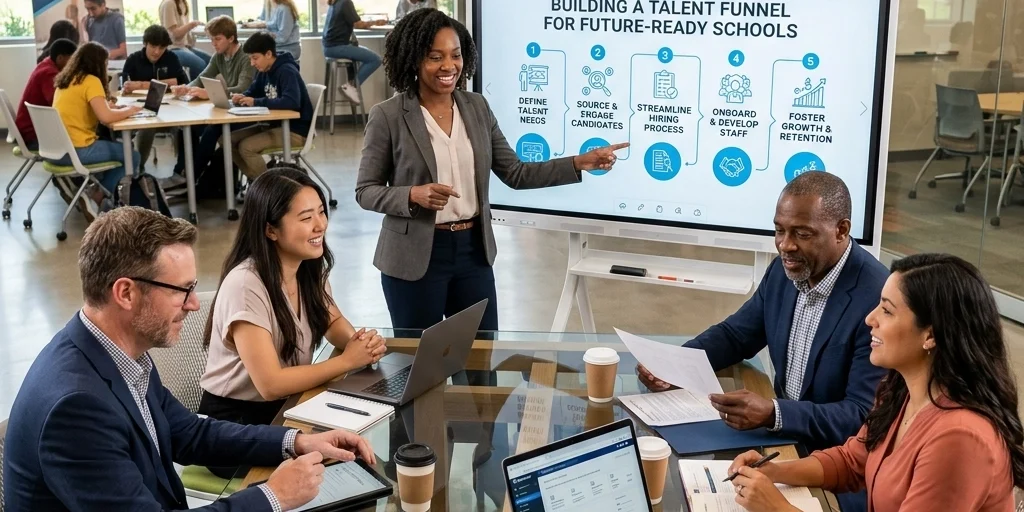
The landscape of education and workforce development is shifting. Today, schools are no longer just centers for academic instruction; they are the primary engines of talent development. To bridge the gap between classroom learning and real-world application, the concept of the "Future-Ready" school has emerged. These institutions focus on equipping students with the digital, financial, and media-related skills necessary to navigate a complex global economy.
Building a talent funnel within this ecosystem requires a strategic approach that combines data analytics, modern brand education, and a commitment to long-term outcomes. For organizations looking to support these schools, the goal is to act as an anchor, a stabilizing force that provides the tools and expertise needed to turn potential into performance.
1. Establish Data-Driven Baselines via Analytics Dashboards
The first step in building a robust talent funnel is understanding the current landscape. You cannot manage what you do not measure. Future-ready schools rely on data analytics dashboards to track student progress, engagement levels, and career readiness milestones.
Executive leadership must prioritize the implementation of centralized data systems. These dashboards should provide a high-level view of student demographics, participation in extracurricular programs, and proficiency in emerging skill sets. By analyzing this data, administrators and consultants can identify gaps in the talent pipeline before they become systemic issues.
For example, if a dashboard reveals a decline in digital media participation among juniors, a school can proactively introduce new workshops or resources to reignite interest. Data-driven decision-making ensures that resources are allocated where they will have the most significant impact on the talent funnel.

2. Implement Comprehensive NIL Education
The rise of Name, Image, and Likeness (NIL) opportunities has fundamentally changed the student-athlete experience, but its implications reach far beyond sports. NIL education is essentially personal brand management and financial literacy. In a "Future-Ready" school, this education is a cornerstone of the talent funnel.
By teaching students how to manage their digital identity and understand the value of their personal brand, schools prepare them for a gig economy and entrepreneurial ventures. NIL education involves:
- Contractual Literacy: Understanding the basics of agreements and obligations.
- Financial Management: Learning how to budget, tax planning, and wealth preservation.
- Brand Alignment: Identifying how personal values intersect with professional opportunities.
Integrating these concepts into the curriculum ensures that students are not only talented in their respective fields but also savvy enough to protect and grow their assets as they move through the funnel.
3. Prioritize Media Literacy and Digital Outcomes
In an era of information saturation, media literacy is a non-negotiable skill. A talent funnel is only as strong as the critical thinking skills of the individuals within it. Future-ready schools must produce graduates who can discern credible information from misinformation and understand the ethical implications of digital content creation.
Media literacy outcomes should be tracked with the same rigor as math or science scores. This includes a student’s ability to:
- Evaluate the bias and intent behind media messages.
- Create professional-grade digital content that adheres to industry standards.
- Navigate social media platforms with a focus on long-term career reputation.
When students possess high media literacy, they become more attractive to recruiters and higher education institutions. They represent a "low-risk, high-reward" talent pool that understands the nuances of the modern digital landscape.

4. Build a Multi-Channel Engagement Strategy
Attracting talent to the funnel requires a presence where the talent lives. According to recent industry data, over 75% of students are more likely to engage with an organization after a direct, personalized interaction at a career event or through a digital platform.
To support future-ready schools, organizations must deploy a multi-channel engagement strategy. This involves:
- Campus Recruitment: Building physical bridges through workshops and speaking engagements.
- Social Sourcing: Utilizing LinkedIn and other professional networks to identify and nurture high-potential students.
- Referral Programs: Encouraging peer-to-peer advocacy, which has been shown to reduce turnover in later employment stages by nearly 25%.
By maintaining a consistent presence, an organization positions itself as a primary partner in the school’s mission. This engagement ensures the funnel remains full of qualified, motivated candidates who are already familiar with the professional expectations of the industry. You can learn more about how these professional structures are organized by visiting our services page.
5. Measure Outcomes and Iterate for Scalability
The final step is the continuous monitoring of the funnel’s effectiveness. Building a talent funnel is not a one-time project; it is an iterative process. Executive teams should review pipeline data monthly to track conversion rates from inquiry to engagement and eventually to "placement" or graduation success.
Key performance indicators (KPIs) for a successful talent funnel in a school setting might include:
- Retention Rates: How many students remain engaged with the program over multiple years?
- Skill Acquisition: The percentage of students meeting specific media literacy and NIL benchmarks.
- Post-Graduation Success: Tracking where students go, whether to top-tier universities or immediate professional roles.
By documenting these outcomes, schools can prove their "Future-Ready" status to stakeholders, parents, and the broader community. This data also allows consulting partners to refine their strategies, ensuring that the support provided is always aligned with the evolving needs of the workforce.

The Anchor for Future-Ready Schools
Becoming an anchor for a future-ready school means more than just providing a service; it means being a foundational partner in the development of the next generation. By focusing on data, NIL education, and media literacy, organizations can help schools transition from traditional models to dynamic talent incubators.
This approach benefits everyone involved. Schools receive the expertise and tools they need to stay relevant; students receive a practical, forward-looking education; and the workforce receives a steady stream of prepared, literate, and savvy professionals.
As we look toward the future, the integration of technology and personal branding will only become more critical. The schools that embrace these five steps today will be the ones that lead the way tomorrow, creating a sustainable talent funnel that serves both the individual and the global economy.
For those interested in exploring how these frameworks can be applied to specific institutional needs, visiting the about us section can provide further context on our commitment to excellence in business consulting and entertainment management.
Conclusion: A Vision for Tomorrow
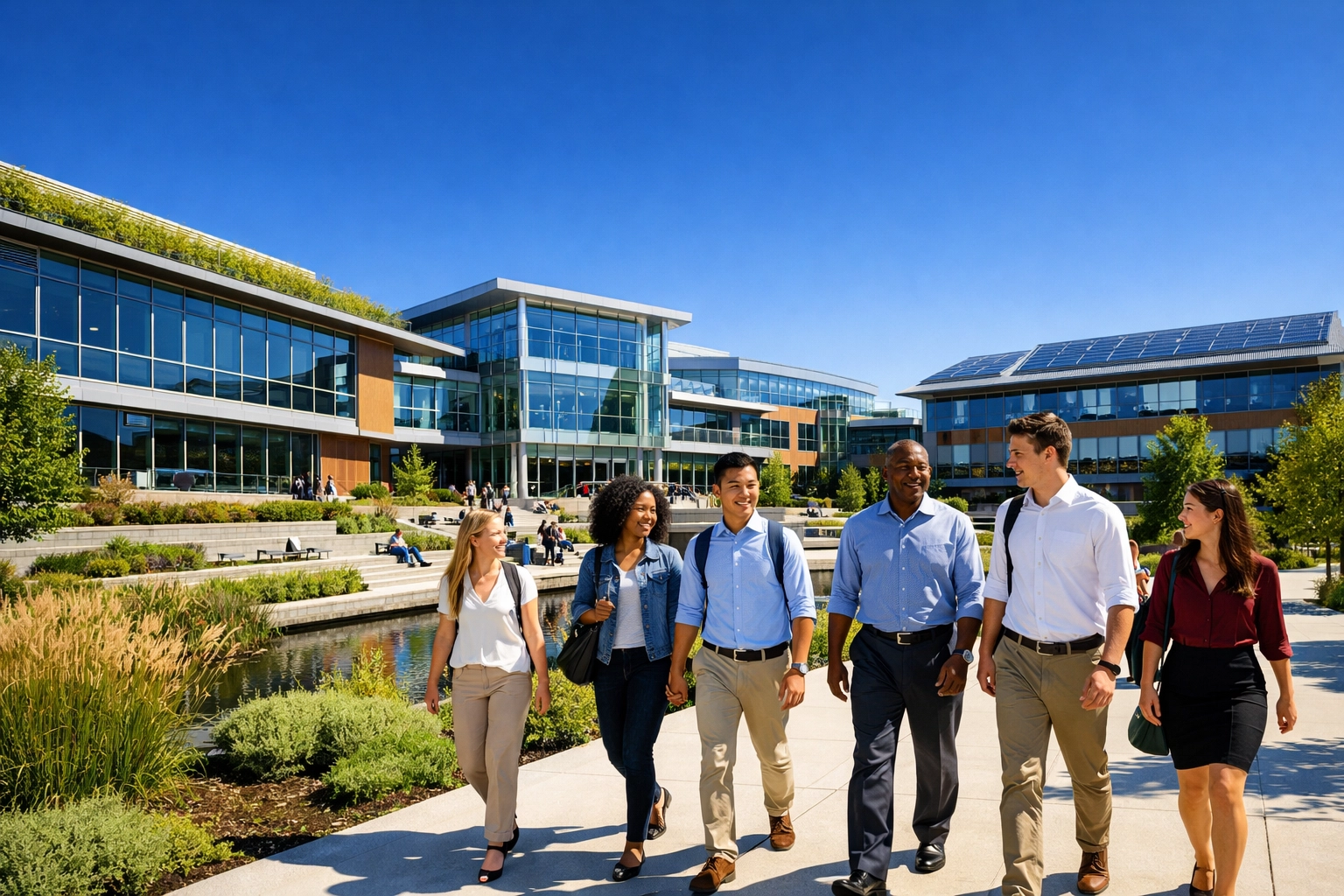
The journey to becoming a future-ready school is ongoing. It requires a commitment to transparency, a willingness to adopt new technologies, and a focus on the holistic development of the student. By building a talent funnel grounded in data and modern literacy, we ensure that the transition from the classroom to the boardroom is seamless and successful.
The goal is clear: to create an environment where talent is recognized, nurtured, and ultimately funneled into opportunities that benefit society as a whole. Through strategic planning and a focus on executive-level outcomes, we can build the schools of the future, today. For additional inquiries or to start a conversation about talent development, please visit our contact page.





