
As the dust settles on Super Bowl LX at Levi’s Stadium, the sports media world is still buzzing. On February 8, 2026, the Seattle Seahawks secured a 29-13 victory over the New England Patriots, but the real story for business leaders and marketers wasn’t just on the field. It was in the palm of every viewer's hand, on their streaming dashboards, and across their social feeds.
At USA Entertainment Ventures LLC, we’ve spent years analyzing how sports media evolves. Super Bowl 2026 represented a massive shift in how we define "the big game." With an estimated 127.7 million viewers, the scale of this event remains unparalleled. However, the way those millions engaged with the broadcast has fundamentally changed the playbook for advertising and sports consulting.
The $8 Million Question: Is Linear TV Enough?
For decades, the 30-second Super Bowl spot was the gold standard of advertising. In 2026, that price tag reached approximately $8 million. While that number seems staggering, the raw visibility of a television ad no longer guarantees a return on investment. The successful brands of 2026 were those that realized the Super Bowl is no longer a "television event": it is a multi-platform ecosystem.
The broadcast strategy for Super Bowl LX was fragmented across NBC’s linear channel, Peacock, NFL+, and various international streams. In Australia, for instance, Channel 7 provided extensive coverage starting early in the morning to accommodate global time zones. For businesses looking to succeed, the takeaway is clear: your audience isn't just in one place.
The Rise of the Second Screen
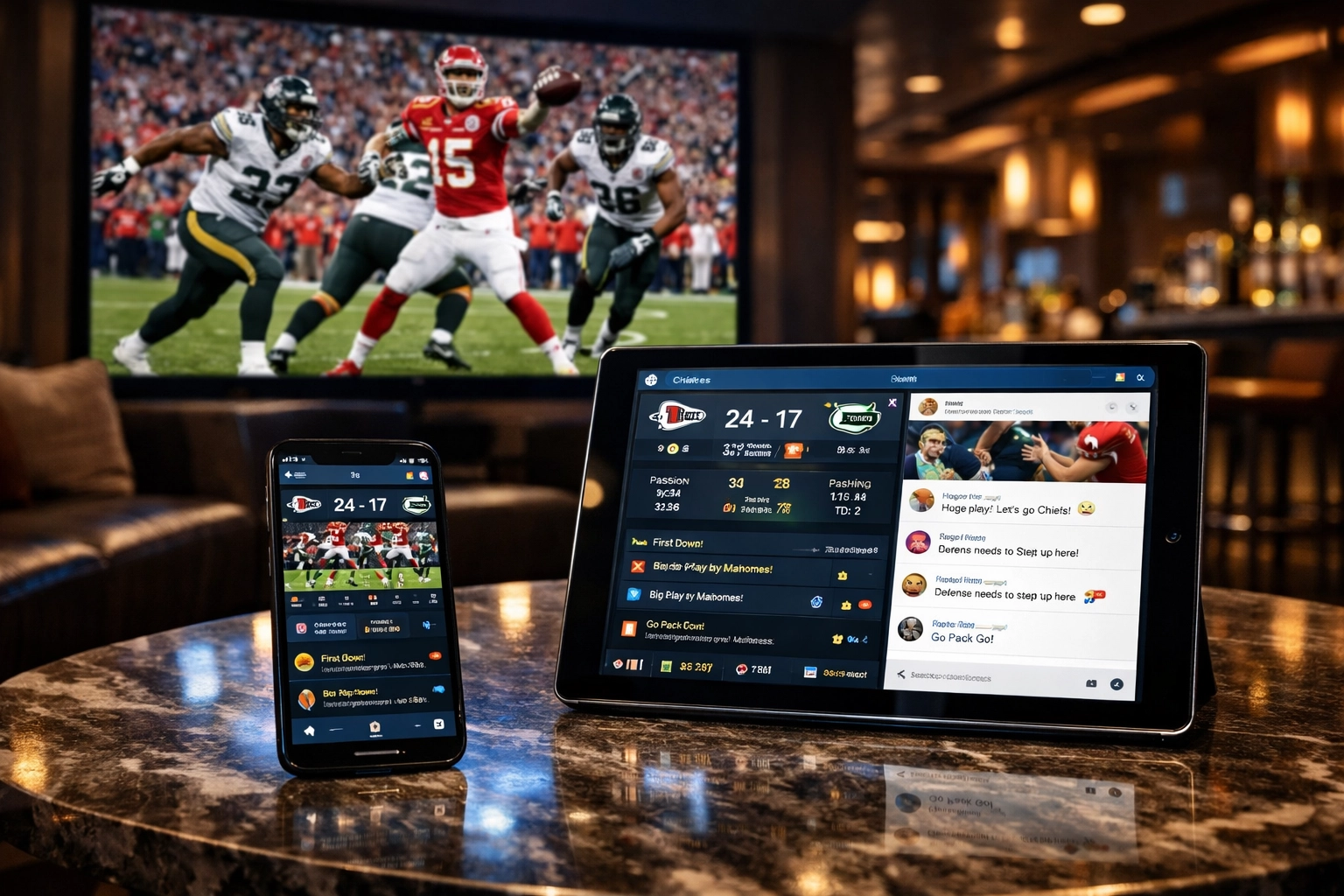
Data shows that over 70% of Super Bowl viewers use a second screen: usually a smartphone or tablet: during the game. Whether they are checking fantasy scores, reacting to Bad Bunny’s halftime performance, or scrolling through Twitter (X) and TikTok for the latest memes, their attention is divided.
"The game is the anchor, but the conversation is the ocean," says Dan Kost, CEO of USA Entertainment Ventures LLC. To capture that attention, brands must have a "second-screen strategy" that mirrors their primary broadcast creative. If you aren't engaging with the audience where they are spending 70% of their time, you are leaving millions of dollars on the table.
The Super Bowl Playbook: Advertising Strategy
To help you navigate this complex landscape, we’ve highlighted the core strategies used by the most successful brands this year. The following video outlines the modern sports media framework that is reshaping the industry.
https://www.youtube.com/watch?v=l6J-0zileKE
This "Super Bowl Playbook" emphasizes that the most effective campaigns started three weeks before the kickoff. Successful view campaigns maintained a 56–64% view rate throughout January by building anticipation. By the time the Seahawks and Patriots took the field, the audience was already primed to engage with specific brand narratives.
The NIL Shift: From Celebrities to Athlete-Influencers
One of the most significant trends of 2026 was the decline of the "traditional celebrity" commercial. In previous years, brands spent millions to get a Hollywood A-lister to crack a joke. This year, the focus shifted toward authenticity through NIL (Name, Image, and Likeness) and athlete-influencer partnerships.
Fans, particularly Gen Z and Millennials, are increasingly skeptical of scripted celebrity endorsements. Instead, they responded to behind-the-scenes content from Seahawks defensive stars and rising Patriots talent. Seeing a player use a product in their actual training routine or during their post-game recovery resonates far more than a staged 30-second skit.
Why Authenticity Wins
- Relatability: Athletes are seen as experts in performance and lifestyle.
- Engagement: Athlete-influencers often have higher engagement rates on social media compared to traditional celebrities.
- Niche Reach: NIL deals allow brands to target specific fan bases with surgical precision.
For more information on how we manage these types of media assets, visit our sports media division.

Cultural Integration: The "Bad Bunny Effect"
The Super Bowl has always been a cultural touchpoint, but 2026 saw a deeper integration of pop culture and sports. Following the "Taylor Swift effect" of 2025, the 2026 halftime show featuring Bad Bunny created a massive surge in engagement from non-traditional football fans.
These "hype audiences" are driven by the spectacle rather than the sport. For a business consultant, this represents a unique opportunity to reach demographics that might otherwise ignore sports programming. By aligning marketing efforts with the halftime show and the national anthem performance by Charlie Puth, brands were able to maintain momentum long after the final whistle.
Actionable Takeaways for Future Success
If you are looking to implement these strategies in your own business or sports media ventures, consider the following actionable steps:
- Diversify Your Distribution: Don't put all your budget into one channel. Use a mix of streaming, social media, and traditional media to ensure maximum reach.
- Invest in Authentic Talent: Look beyond the biggest names. Find athletes whose personal brand aligns with your company values and leverage their influence on social platforms.
- Capture the Second Screen: Create content specifically designed for mobile consumption. Short-form videos, interactive polls, and real-time reactions are essential.
- Extend the Life of Your Campaign: The Super Bowl isn't a one-day event. Use contextual targeting to maintain engagement for weeks after the game concludes.
- Utilize Expert Consulting: Navigating the complexities of 360 sports media requires a partner who understands the intersection of entertainment and business.

The Future of Sports Media
As we look toward the future, the trends we saw in Super Bowl LX: fragmented viewing, athlete-driven marketing, and second-screen dominance: will only become more pronounced. The technology behind our screens is changing, with augmented reality (AR) and virtual reality (VR) beginning to offer even more immersive ways to experience the game.
However, the core of sports media remains the same: it’s about storytelling. Whether it’s the story of an underdog team like the Seahawks rising to the top or a brand finding a way to connect with a viewer in a meaningful way, the narrative is what drives the industry.
At USA Entertainment Ventures LLC, we are committed to helping our clients stay ahead of these trends. From mobile highway ads to comprehensive digital strategies, our goal is to ensure your message is heard in a crowded marketplace.

Conclusion: Adapting to the New Standard
The 2026 Super Bowl proved that sports media is more vibrant and complex than ever. To succeed in this environment, businesses must be willing to abandon old playbooks and embrace a multi-faceted, authentic approach to advertising.
The $8 million price tag for a commercial is just the entry fee; the real work happens in the digital trenches, through influencer partnerships, and by understanding the cultural pulse of the audience. As we project these trends into the future, it’s clear that the brands that prioritize engagement over simple visibility will be the ones that win the long game.
For more insights into the business of entertainment and sports media, explore our post sitemap or reach out to our consulting team directly. The game is changing: make sure you have the right team in your corner.





