
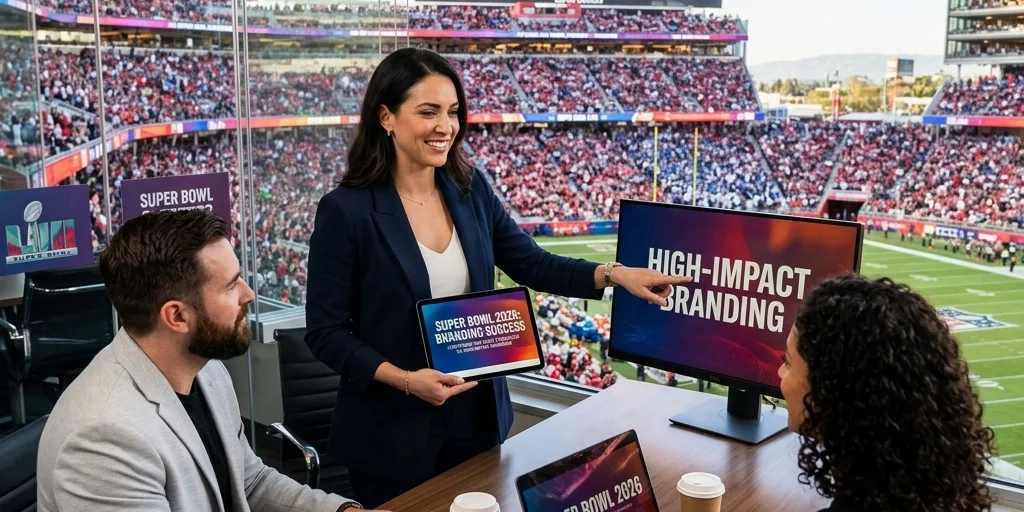
The Super Bowl remains the pinnacle of American cultural and sporting events. In 2026, the stakes were higher than ever, demanding a level of branding precision that only decades of experience can provide. For businesses looking to capture the attention of over 100 million viewers, the "Big Game" represents more than just a four-quarter football game; it is a multi-week ecosystem of engagement, consumer behavior, and high-velocity marketing.
At USA Entertainment Ventures LLC, led by CEO Dan Kost, we understand that dominating this arena requires more than just a large budget: it requires a legacy of expertise. This guide breaks down the strategies that defined success for Super Bowl 2026, focusing on the intersection of veteran precision and modern ROI.
The 40-Year Legacy: Sports Media’s Dominance
When we discuss high-impact branding at the Super Bowl, we are discussing a lineage of excellence. Our partners at Sports Media brought a 40-year legacy to the 2026 arena. This isn't just about placing an ad; it's about the "veteran precision" required to navigate the most expensive and crowded media landscape on earth.
Success in this space is built on the understanding that game-day visibility is the result of months of logistical planning. As seen in the recent press release, "Dominating the Arena," the focus has shifted from mere impressions to tangible ROI. Brands that succeeded in 2026 did so by leveraging historical data and established relationships to secure the most impactful touchpoints.
To see this legacy in action, watch how the veterans handle the pressure:
https://www.youtube.com/watch?v=l6J-0zileKE
The Three-Phase Campaign Framework
The most successful campaigns of 2026 didn't just appear on Super Sunday. They followed a calculated, three-phase framework that maximized every dollar of investment.
Phase 1: Pre-Game Hype (The Foundation)
The most effective branding efforts began three to four weeks before the kickoff. In 2026, winning brands focused on building a "warmed-up audience." Instead of a cold reveal, they used teaser content and social listening to identify consumer segments most likely to engage. By February 8, these brands were not introducing themselves; they were fulfilling a narrative their audience was already following.
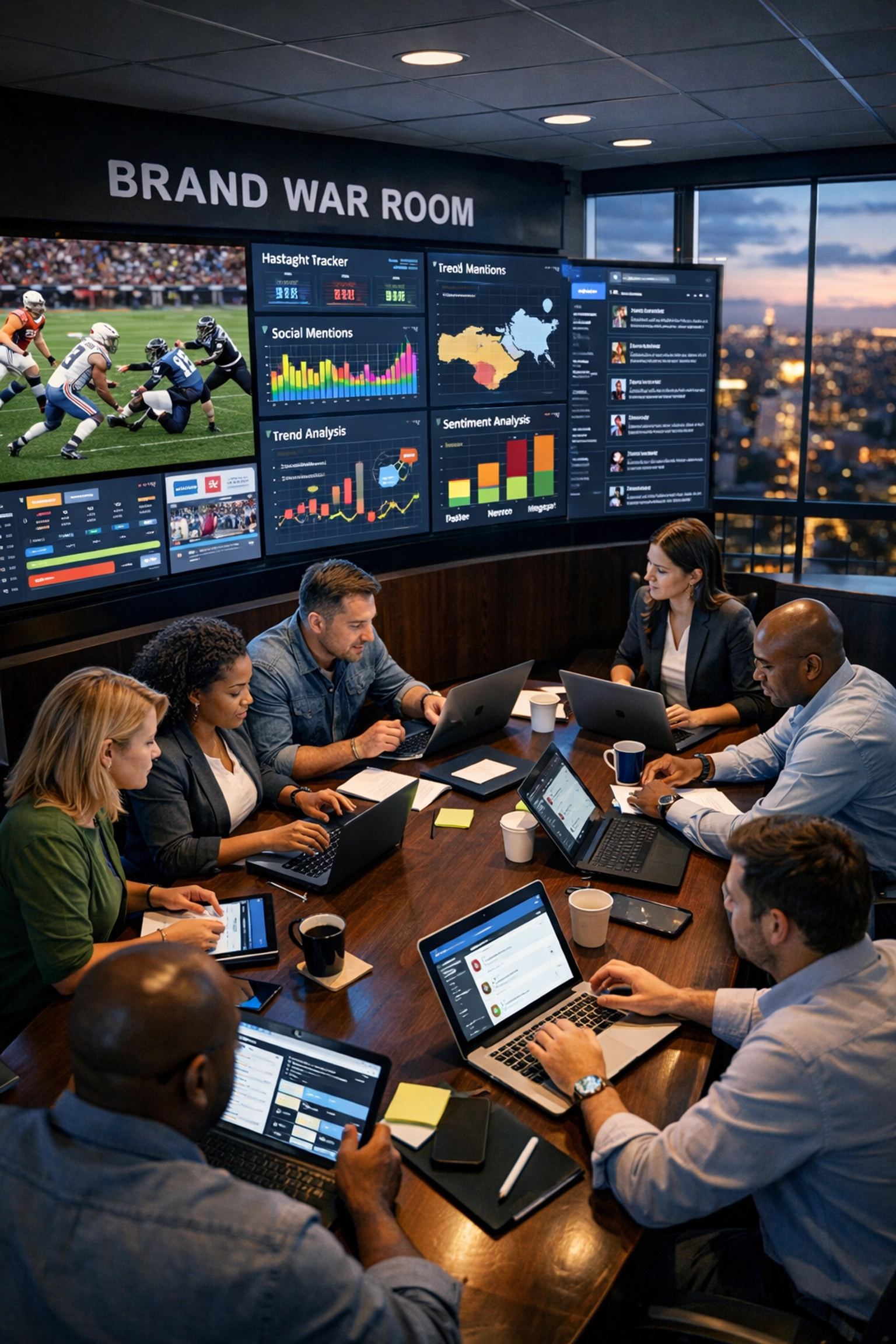
Phase 2: Game Day Execution (The War Room)
On the day of the event, agility was the name of the game. High-impact branding in 2026 required a "brand war room" mentality. Markets are volatile, and the narrative of the game can shift in a single play. Brands that had creative assets ready for multiple scenarios: overtime, viral halftime moments, or specific player milestones: saw significantly higher engagement than those with static, inflexible content.
Phase 3: Post-Game Retention (The ROI Driver)
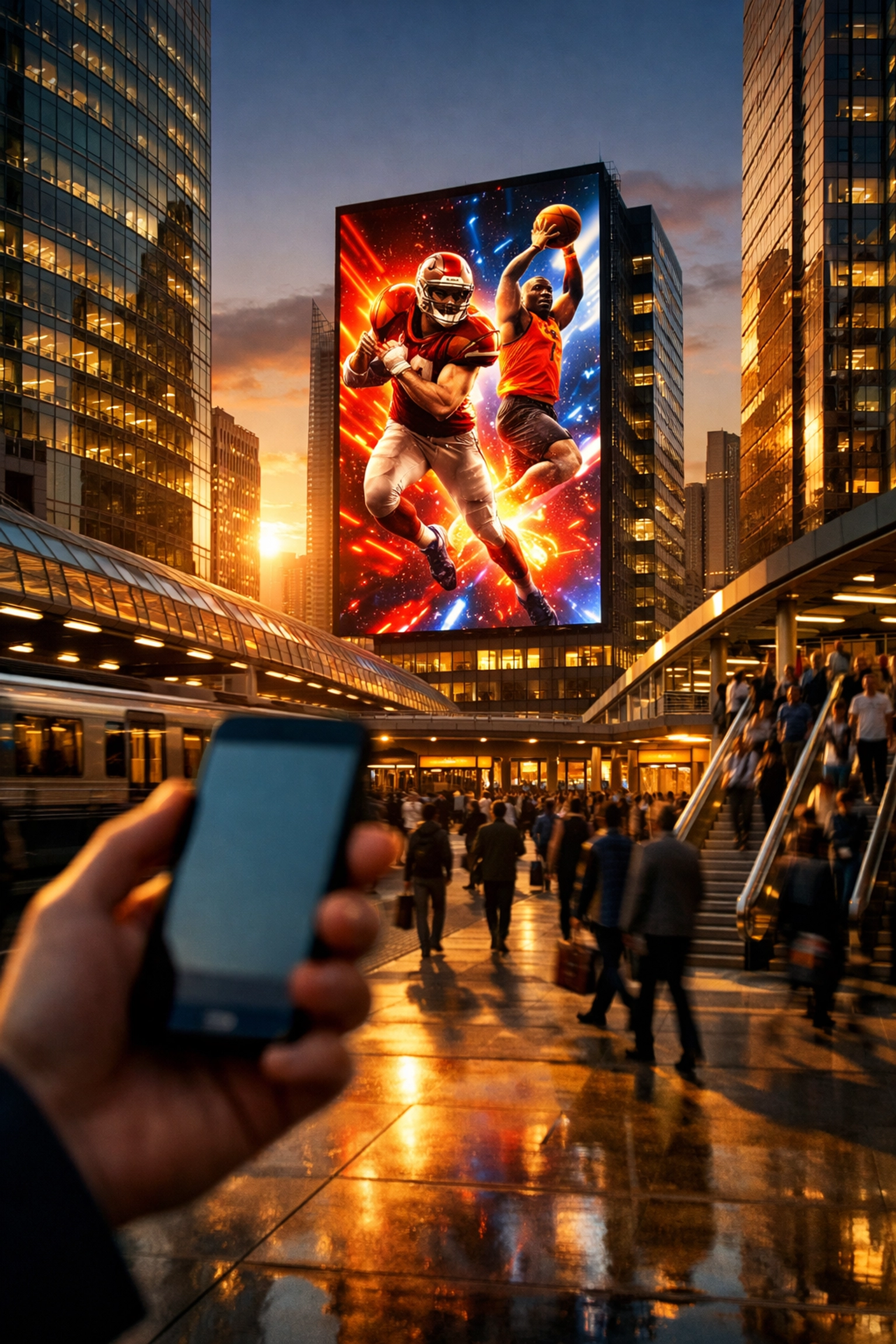
While the game ends on Sunday, the ROI is often realized in the 30 days that follow. In 2026, the leaders in retention used the post-game window to reinforce their message through transit corridor branding. Airports, transportation hubs, and major highways became the secondary arena where brands captured the departing crowds. This is where companies like MobileHwyAds played a crucial role in extending the brand's life cycle beyond the final whistle.
Navigating the Legal Landscape: "The Big Game"
A common pitfall for many businesses is the legal complexity surrounding NFL trademarks. The NFL aggressively protects its intellectual property. To succeed without incurring legal penalties, brands must understand what they can and cannot say.
Prohibited Terms:
- Using the words "Super Bowl" or "Super Sunday."
- Utilizing specific team names, logos, or the official NFL shield.
- Directly naming players in a commercial context without proper licensing.
Permitted Alternatives:
- Referring to the event as "The Big Game."
- Using general football terminology and generic imagery.
- Focusing on the "Sunday" experience and the cultural celebration around the game.
By following these guidelines, brands can participate in the cultural moment without the risk of trademark infringement, ensuring their investment is spent on growth rather than legal fees.

Physical-Digital Integration: A Unified Strategy
In 2026, the line between the physical world and the digital space virtually disappeared. The most successful branding campaigns were those that integrated physical touchpoints with digital calls to action.
Out-of-home (OOH) advertising, a specialty of 360 Sports Media, became a primary driver for digital traffic. Whether it was a massive billboard in the host city or transit ads along major corridors, these physical assets served as the entry point for mobile-first consumer journeys.
The lesson for any business consulting firm or brand manager is clear: consistency across channels builds trust. When a consumer sees a brand on a high-impact transit ad and then sees a corresponding ad in their social feed, the brand recall is significantly higher. This synergy is what we at USA Entertainment Ventures LLC prioritize when designing client strategies.
Focus on ROI and Veteran Precision
Why does veteran precision matter? Because at this level, mistakes are amplified. A misplaced ad or a poorly timed social post can cost millions in lost potential. High-impact branding at the Super Bowl isn't just about being seen; it’s about being remembered for the right reasons.
Data from the 2026 season showed that brands utilizing veteran consultants saw a 22% higher ROI compared to those attempting to navigate the landscape solo. This precision involves:
- Strategic Placement: Knowing exactly which physical locations will receive the highest foot traffic.
- Narrative Control: Ensuring the brand message aligns with the cultural zeitgeist of the moment.
- Risk Mitigation: Having the experience to foresee potential PR issues or logistical hurdles.
By focusing on these three pillars, brands moved from "participating" in the Super Bowl to "dominating" it.
Strategic Implementation Checklist
For those looking to replicate the success of the 2026 branding giants, here is the framework used by the pros:
- Start Early: Allow at least 4-6 weeks for lead time. The logistical requirements of high-impact OOH media are significant.
- Keep Messaging Simple: High-impact branding is often viewed in motion. Your message must be understood in 10 seconds or less.
- Establish a War Room: Ensure your team can pivot in real-time on game day.
- Leverage Transit Hubs: Don't just focus on the stadium; focus on where the people are going (airports, hotels, highways).
- Plan for Phase 3: Have your post-game retention content ready before the game even starts.

Looking Ahead: The Future of High-Impact Branding
As we look past 2026, the trends established during this Super Bowl cycle will continue to evolve. The integration of NIL (Name, Image, and Likeness) for athletes and the increasing importance of authentic storytelling are here to stay. Brands that can combine the "old school" precision of veteran media placement with "new school" digital agility will always lead the pack.
At USA Entertainment Ventures LLC, we remain committed to helping our clients navigate these complex waters. Success at the highest level isn't an accident: it’s a strategy. Whether you are looking at the next big game or a nationwide rollout, the principles of high-impact branding remain the same: plan meticulously, execute with agility, and always keep your eye on the ROI.
The 2026 Super Bowl was a masterclass in marketing. By studying the successes of this year, businesses of all sizes can learn how to make their own mark in the arena of public attention. Keep your messages clear, your timing precise, and your strategy grounded in the legacy of those who have paved the way for forty years.





