
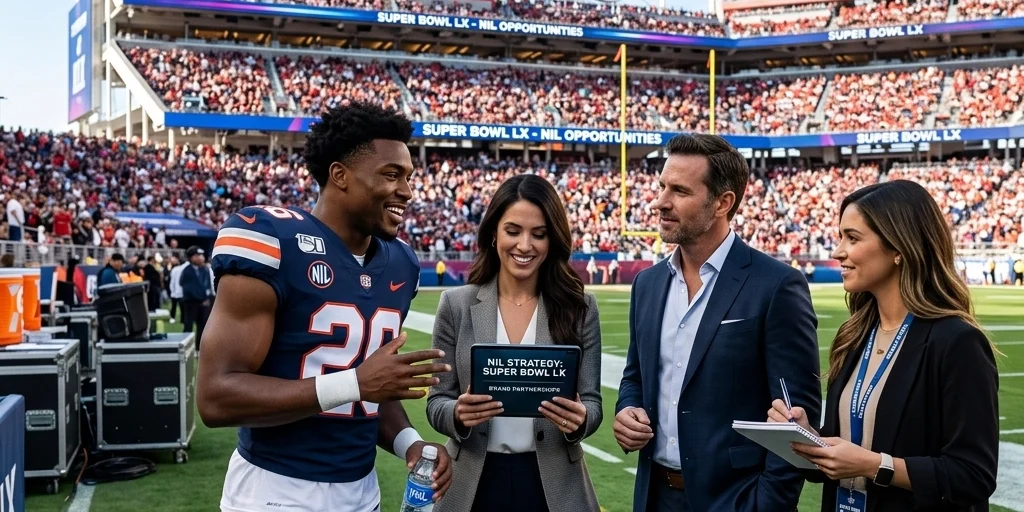
As we look back at the marketing landscape of Super Bowl LX, held in February 2026, one thing is abundantly clear: the traditional thirty-second television commercial is no longer the undisputed king of the Big Game. For Fortune 100 brands, the shift toward Name, Image, and Likeness (NIL) partnerships has fundamentally altered how success is measured on the world’s biggest sporting stage.
At USA Entertainment Ventures LLC, we have watched this evolution closely. The "NIL Revolution" isn't just a buzzword; it is a strategic pivot that bridges the gap between massive corporate entities and the highly engaged, digitally native audiences they crave. If your brand wants to remain relevant in this new era, understanding the mechanics of NIL at the Super Bowl is no longer optional: it is a prerequisite for survival.
The Shift: From Scripted Ads to Authentic Partnerships
For decades, the Super Bowl was defined by high-production, high-concept advertisements. While these spots still generate conversation, their ROI is being challenged by a more agile competitor: the athlete-influencer.
Research into the 2026 Super Bowl cycle shows that fans increasingly value organic, behind-the-scenes content over polished, scripted commercials. Consumers can sense inauthenticity at a distance. When an athlete shares their genuine preparation, their real-time reactions to the game, or their honest use of a product, the engagement metrics far outpace traditional broadcast media.
The strategy for Fortune 100 brands has shifted from "buying a spot" to "building a portfolio." This portfolio includes current NFL stars, rising college athletes, and even retired legends who maintain high levels of cultural trust.
Bridging the Gap: Why NIL Matters Now
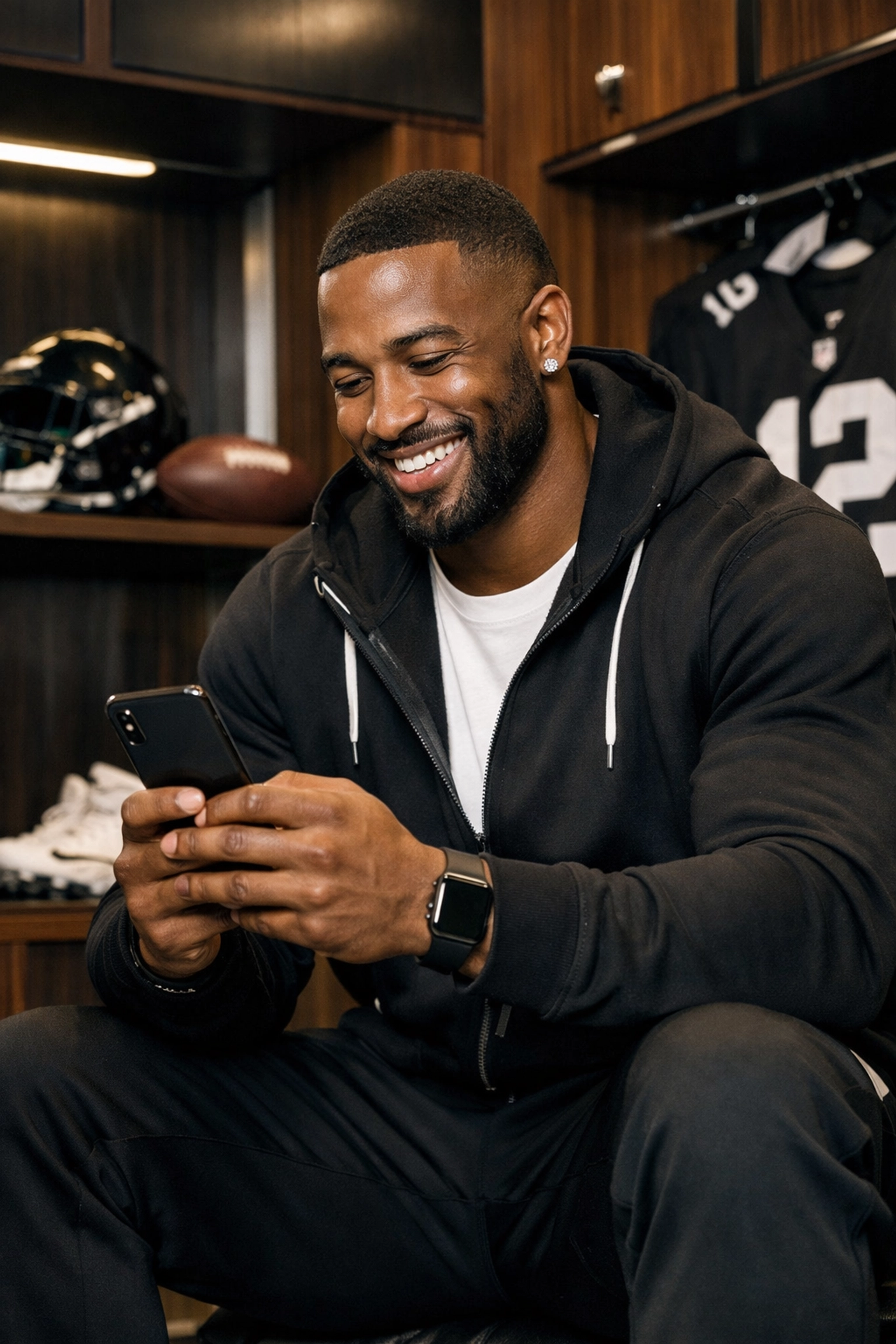
The democratization of media means that every athlete is now their own media outlet. By partnering with these individuals, brands gain access to "locked" audiences: communities of fans who might ignore a television ad but will watch every second of an athlete’s Instagram Story or TikTok feed.
To see this revolution in action, watch the video below, which outlines how NIL is bridging the gap at the Super Bowl:
https://www.youtube.com/watch?v=l6J-0zileKE
The 72-Hour Blitz: A Framework for Success
The window of opportunity around the Super Bowl is incredibly tight. We categorize the most effective NIL strategies into a "72-Hour Blitz" framework. Successful brands don't just "show up" on Sunday; they execute a three-phase operation:
1. The Pre-Game Build (24-48 Hours Before Kickoff)
The goal here is anticipation. Brands leverage athletes to share game-day predictions, travel vlogs, or "what’s in my bag" content featuring the brand’s products. This phase builds a narrative thread that carries the audience into the main event.
2. Game Day Real-Time Integration
This is where speed trumps production value. During Super Bowl 2026, the brands that "won" were the ones whose athlete partners were posting real-time reactions to the halftime show, key plays, and controversial calls. This content feels raw, immediate, and exclusive.
3. The Post-Game Narrative (24 Hours After Conclusion)
The conversation doesn't end with the trophy presentation. Victory and defeat offer powerful emotional hooks. Brands that partner with athletes for post-game analysis or "morning after" reflections capitalize on the lingering adrenaline of the event.
Diversifying the Athlete Portfolio
One of the biggest mistakes a brand can make is putting all its resources into a single superstar. The 2026 landscape proved that a diversified approach is more resilient.
- Pro Players: High reach, high prestige. Essential for "big splash" moments.
- College Athletes: The presence of college stars at Super Bowl events has skyrocketed. They offer a connection to younger demographics and often have higher engagement rates than seasoned pros.
- Retired Legends: For brands targeting decision-makers and older demographics, retired legends offer a sense of nostalgia and established credibility.
- Micro-Influencers: Niche sports personalities can drive specific actions, such as app downloads or newsletter sign-ups, more effectively than broad-reach celebrities.
You can explore more about how these partnerships fit into broader business strategies in our business category.
Distribution: Moving Beyond Social Media
A common pitfall for brands is assuming that an athlete’s social media following is enough. While an athlete’s organic reach is valuable, it is often limited by platform algorithms. To truly succeed at the Super Bowl level, brands must utilize a robust distribution infrastructure.
Digital networks like Sporttron have become essential tools. These networks allow brands to push athlete-generated content beyond individual social feeds and into massive, targeted digital displays and synchronized media channels. This ensures that the NIL investment reaches a wide demographic, including those who may not be following the athlete directly.
At USA Entertainment Ventures LLC, we specialize in this type of marketing strategy, ensuring that content doesn't just exist: it dominates.

The Technical Edge: Data-Driven Selection
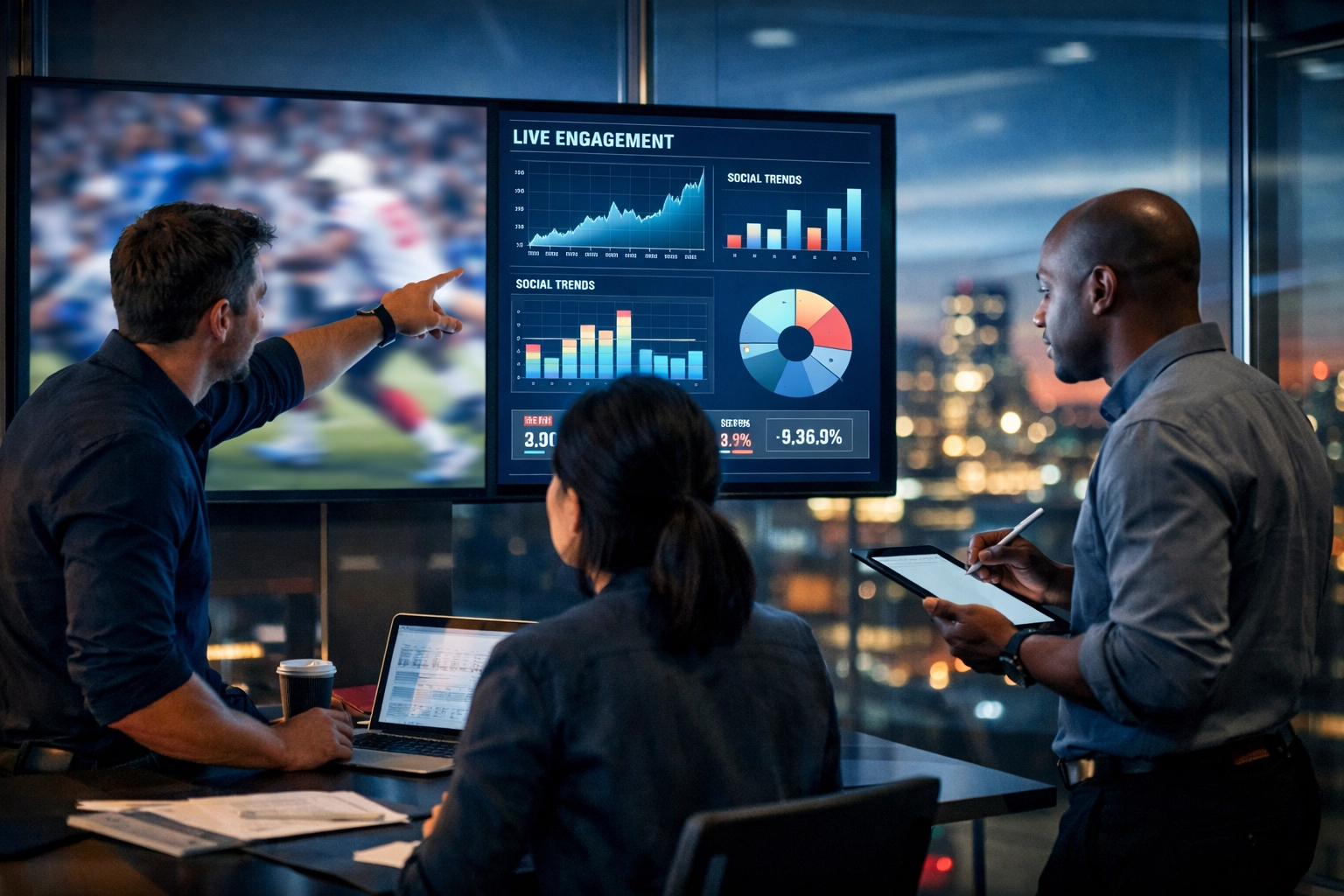
In the past, athlete selection was often based on "gut feeling" or personal preference of the CMO. Today, it is a data-driven science. Before committing to an NIL deal for a major event like the Super Bowl, brands must analyze:
- Audience Sentiment: Does the athlete’s personal brand align with the company’s values?
- Engagement Velocity: How quickly does their audience respond to new content?
- Conversion History: Have their previous partnerships resulted in tangible business outcomes?
By grounding these decisions in data, Fortune 100 companies can mitigate the risks associated with high-profile sponsorships. For more information on the technological side of these integrations, visit our technology section.
Practical Takeaways for Future Strategy
As we look toward Super Bowl 2027 and beyond, here are three actionable innovations your brand can implement today:
- Prioritize "Raw" Over "Refined": Allocate a portion of your budget specifically for unedited, athlete-shot content. The lack of polish is exactly what makes it trustworthy.
- Long-Term Lifecycle: Don't treat the Super Bowl as a one-off. Sign NIL athletes for a 12-month cycle that culminates at the Big Game, rather than hiring them for a single weekend. This builds a deeper story for the consumer.
- Invest in Infrastructure: Ensure your internal teams are equipped to handle real-time content approvals. The "72-Hour Blitz" fails if a post has to go through five layers of legal review on game day.
Looking Forward
The Super Bowl remains the pinnacle of American culture and commerce. However, the gatekeepers have changed. The power has shifted from the networks and the agencies to the athletes themselves.
At USA Entertainment Ventures LLC, we believe that the brands that embrace this shift: those that view athletes as creative partners rather than just "talent": will be the ones leading the market in the years to come. The NIL revolution is not a fleeting trend; it is the new standard for excellence in media and entertainment.
Success in this arena requires a blend of creative intuition and strategic discipline. As we move further into 2026, the opportunities for innovation are boundless. It is time for your brand to step onto the field.
To learn more about our work and see how we help brands navigate these complex waters, you can view our portfolio or check out our latest event coverage.





