

The global business landscape in 2026 has reached a critical juncture. As digital transformation accelerates, the gap between the demand for specialized technical skills and the available workforce continues to widen. For organizations to remain competitive, the traditional methods of recruitment: waiting for university graduates to enter the job market: are no longer sufficient. To secure the future of your enterprise, you must look further downstream.
The "Next-Gen Talent Funnel" is a strategic framework designed to identify, engage, and nurture talent long before they reach the professional market. Specifically, it involves establishing a presence in high schools to cultivate expertise in Cloud Computing, Artificial Intelligence (AI), and Data Analytics. This guide explores why this shift is necessary and how your business can implement a successful next-gen talent strategy.
The Foundation: Why High School is the New Frontier
For decades, the recruitment funnel began at the university level. However, as technology evolves at an exponential rate, the traditional four-year degree struggle to keep pace with industry requirements. By the time a student completes a computer science degree, the specific tools and platforms they learned may already be outdated.
Engaging with students at the high school level allows companies to introduce industry-standard practices early. This is not merely about brand awareness; it is about early intervention in the educational lifecycle. When a company provides resources, mentorship, or curriculum support to high schools, they are effectively shaping the workforce they will need three to five years from now.

The Skills-First Revolution
A cornerstone of the next-gen talent funnel is the transition from credential-based hiring to skills-based hiring. In 2026, proficiency in a specific programming language or cloud architecture often outweighs a general diploma. Industry experts suggest that the foundation of a successful funnel is a shift in mindset: prioritizing demonstrable skills over traditional academic credentials.
By focusing on high schools, businesses can encourage students to pursue micro-certifications and hands-on projects. This creates a pipeline of individuals who possess "job-ready" skills earlier than their peers, allowing for a more seamless transition into career opportunities or specialized internships.
The Pillars of Next-Gen Talent: Cloud, AI, and Data
To build an effective funnel, organizations must focus on the three pillars currently driving global economic growth: Cloud Computing, Artificial Intelligence, and Data Analytics.
1. Cloud Computing
Cloud infrastructure is the backbone of modern business. High school students are often digital natives, but there is a significant difference between using consumer applications and understanding cloud architecture (SaaS, PaaS, IaaS). Establishing early education programs around cloud providers helps students understand the scalability and security requirements of the enterprise world.
2. Artificial Intelligence
AI is no longer a futuristic concept; it is an operational necessity. The talent funnel must focus on teaching students how to interact with AI, including prompt engineering, ethical AI implementation, and basic machine learning principles. Those who master these tools early will become the "AI-augmented" workforce that drives efficiency in the coming decade.
3. Data Analytics
Data is the most valuable asset a company owns, yet it is often underutilized due to a lack of analytical talent. By introducing data visualization and statistical analysis at the high school level, businesses ensure a steady stream of talent capable of converting raw information into actionable business intelligence.

Structuring the Funnel: A Step-by-Step Approach
Building a talent funnel requires a structured framework that guides potential candidates through various stages, from initial awareness to eventual hiring. This process must be intentional and data-driven.
Awareness and Brand Presence
The first stage of the funnel is making students aware that your company exists and that you value technical innovation. This can be achieved through:
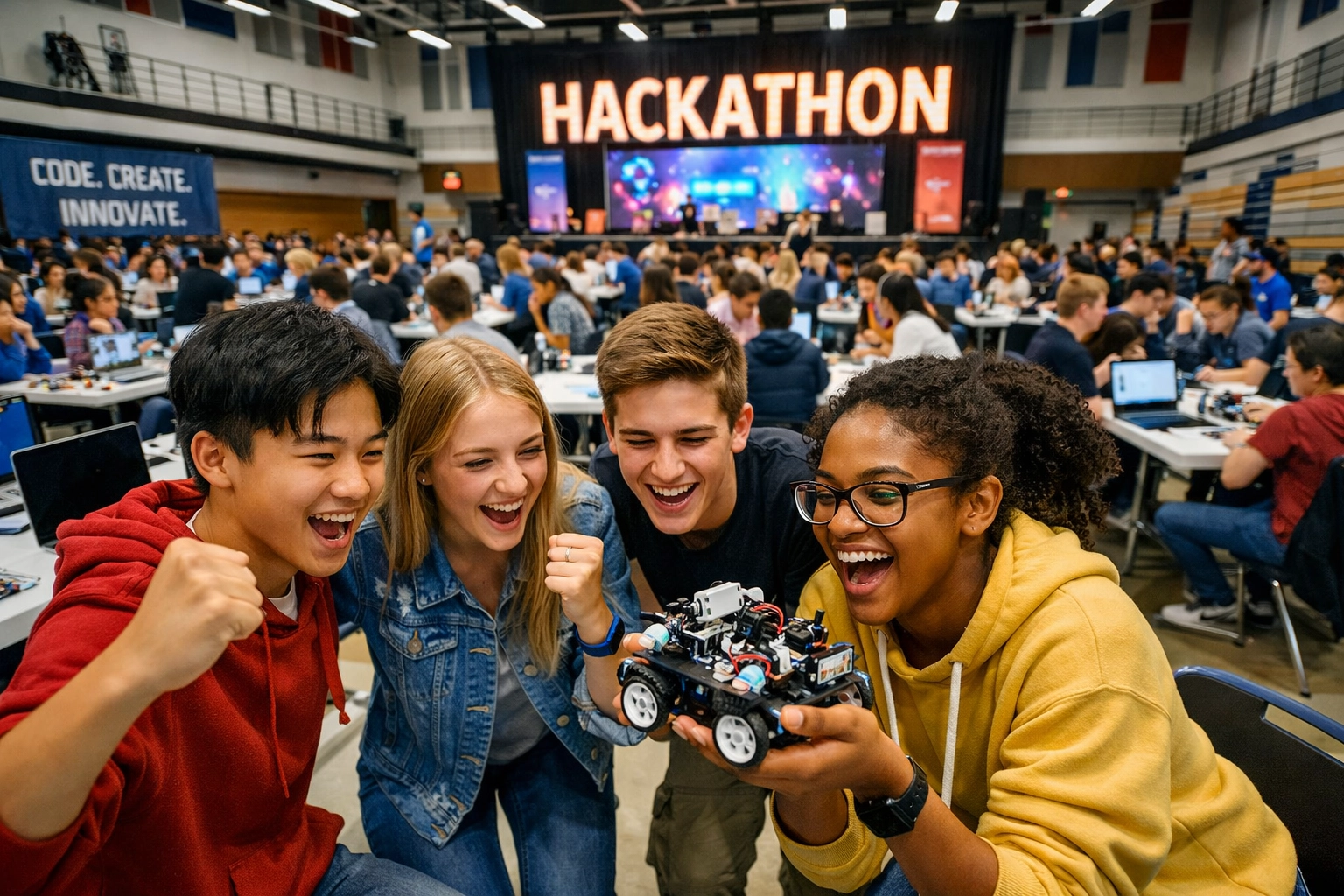
- Sponsoring high school hackathons or STEM competitions.
- Guest speaking engagements where engineers discuss real-world problems.
- Donating modern hardware or software licenses to school computer labs.
Interest and Engagement
Once awareness is established, the goal is to deepen the student's interest. This is the stage where you move from "observer" to "mentor." Interactive workshops or "day in the life" programs allow students to see the practical application of their studies. Engaging future experts while they are still in high school builds a sense of loyalty and familiarity with your brand.
Evaluation and Skill Development
This is the "screening" phase of the funnel. Unlike traditional recruitment, this evaluation is focused on growth potential. Use this stage to offer micro-internships or project-based learning. By providing a structured environment for students to solve actual business problems, you can identify high-performers long before your competitors do.
Implementing Actionable Strategies
Transitioning to a next-gen talent model requires more than just a change in philosophy; it requires a change in operations. Here are practical steps your business can take to begin building its funnel:
- Partner with Local Districts: Establish formal partnerships with vocational schools and high schools that have a strong STEM focus. This ensures your efforts are integrated into the existing educational framework.
- Develop a Mentorship Program: Encourage your current senior engineers and data scientists to dedicate time to mentoring high school students. This not only aids the students but also improves the leadership skills of your internal staff.
- Offer "Bridge" Internships: Create a clear path from high school graduation to a summer internship or a work-study program. This bridges the gap between high school and the next stage of their career or education.
- Utilize Professional Consulting: If your organization lacks the infrastructure to build these programs internally, seeking external expertise can accelerate the process. Our services include helping businesses navigate complex talent and entertainment ventures to optimize their market position.
The Business Case: Long-Term ROI
The investment in a next-gen talent funnel is a long-term play. While the immediate costs of high school outreach might seem high compared to a standard job posting, the long-term Return on Investment (ROI) is substantial.
- Reduced Recruitment Costs: By the time these students are ready for full-time roles, they are already vetted and trained. This drastically reduces the cost per hire and the time-to-fill for critical roles.
- Increased Retention: Employees who have a history with a company: starting as students or interns: often show higher levels of loyalty and lower turnover rates.
- Cultural Innovation: Bringing in young talent who are fluent in the latest technologies prevents organizational stagnation. They bring fresh perspectives that can lead to breakthroughs in AI and data utilization.

Future-Proofing Your Enterprise
As we look toward the remainder of 2026 and beyond, the competition for technical talent will only intensify. The companies that thrive will be those that stopped being passive consumers of talent and started being active producers.
Building a talent funnel is not just a human resources initiative; it is a fundamental business strategy. By reaching into high schools today, you are securing the architects, developers, and analysts who will lead your company tomorrow. The transition to a skills-first, early-engagement model is an investment in the stability and innovation of the global economy.
For organizations ready to take the next step in their growth journey, exploring new ways to engage with the next generation is the most logical path forward. If you have questions about how to structure these initiatives or want to learn more about the evolving talent landscape, feel free to contact us today. The future of talent is already in the classroom; it is up to your business to meet them there.





