
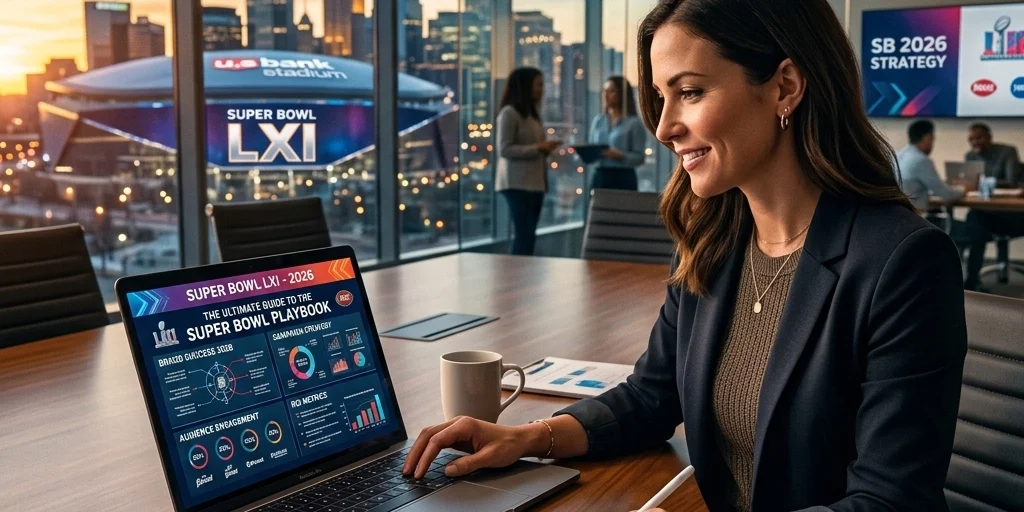
As we move through May 2026, the dust has settled on the turf, and the viewership numbers for Super Bowl LX have been scrutinized by every major marketing firm in the country. If there is one definitive takeaway from this year’s Big Game, it is that the traditional 30-second television spot is no longer the finish line: it is merely the starting block. For brands looking to thrive in this hyper-competitive landscape, success requires a shift from "event marketing" to "ecosystem integration."
At USA Entertainment Ventures LLC, we have watched the evolution of sports media strategies closely. The 2026 season proved that the brands that won the "ad war" weren't necessarily those with the biggest celebrity cameos; they were the ones that executed a disciplined, multi-phase playbook that engaged consumers weeks before the coin toss and months after the final whistle.
The Cultural Ecosystem of 2026
The Super Bowl has transitioned into a cultural ecosystem. With ad spots reaching record-breaking price tags, the Return on Investment (ROI) is now found in the surrounding digital and physical touchpoints. Modern audiences are no longer just watching a screen; they are participating in a global conversation across social media, streaming platforms, and physical activations.
To succeed, your brand needs more than a creative concept. It needs a strategic framework that accounts for real-time agility and long-term conversion.

Phase 1: Pre-Game Hype and Audience Building
Success in the Super Bowl begins at least four weeks before game day. In 2026, the most successful brands used this period to build "retargeting pools." Instead of keeping their campaign a secret until the broadcast, they utilized teaser content to identify high-intent segments.
Data Collection and Exclusive Access
The goal of Phase 1 is data acquisition. By launching interactive "game-day kits" or early-access digital content, brands were able to tag audiences and collect first-party data. This is a critical step because it allows a brand to reach the same audience during the game via social media and Connected TV (CTV) without paying the premium broadcast rates.
The Direct Mail Renaissance
Surprisingly, 2026 saw a massive resurgence in high-quality physical marketing. Brands utilized variable data printing to send personalized direct mail to their top-tier customers. This "Physical-Digital Handshake" ensured that when the brand's ad appeared on the screen, the consumer already had a physical reminder of the brand sitting on their coffee table.
For businesses looking to integrate these sophisticated strategies, our team at USA Entertainment Ventures LLC specializes in bridging the gap between traditional media and modern digital execution.

Phase 2: Game Day Execution and the "War Room" Mentality
When the game starts, the strategy shifts to real-time agility. The "Brand War Room" has become a staple for any serious contender. In 2026, these teams consisted of creative designers, data analysts, and social media managers ready to react to every play, penalty, and viral halftime moment.
The Second Screen Strategy
The majority of viewers now watch the Super Bowl with a smartphone in their hand. This "second screen" is where the actual engagement happens. Winning brands in 2026 didn't just air a commercial; they launched synchronized social media campaigns that mirrored their TV creative.
Real-Time Responsiveness
Whether it was an unexpected overtime or a technical glitch during the halftime show, the brands that trended were the ones that had meme-ready content prepared for every possible scenario. This level of preparation allows a brand to appear authentic and "in the moment," which resonates deeply with Gen Z and Millennial demographics.
Video Insight: The Sports Media Strategy
To better understand how sports media platforms are shaping these advertising strategies, watch the following breakdown:
https://www.youtube.com/watch?v=l6J-0zileKE
This video highlights how the Super Bowl Playbook has evolved to prioritize cross-platform storytelling over isolated commercials.
Phase 3: Post-Game Momentum (The Winner’s Circle)
The most common mistake brands make is going silent once the trophy is hoisted. In 2026, the "Phase 3" strategy was the differentiator between a viral moment and a sustainable sales lift. This phase focuses on conversion and retention.
The 30-Day Conversion Window
The weeks following the Super Bowl are when the data collected in Phase 1 and the engagement from Phase 2 are finally harvested. High-performing brands implemented sophisticated retargeting campaigns to convert "casual fans" into "loyal customers."
The "Winner's Circle" Campaigns
Using the outcome of the game as a narrative hook, brands launched post-game recaps and "thank you" offers. For example, if a brand’s sponsored athlete performed well, they immediately pivoted their creative to highlight that success, maintaining top-of-mind awareness through the end of Q1.

Advanced 2026 Strategies: AI and Personalization
In 2026, Artificial Intelligence (AI) moved from a buzzword to a functional tool in the marketing playbook. Brands used AI-driven personalization to deliver different versions of their digital ads to different audience segments based on their real-time behavior during the game.
Agentic Marketing
Predictive analytics allowed brands to identify exactly when their specific audience was most likely to be looking at their phones: such as during a commercial break or a long review: allowing for precision ad placement that maximized budget efficiency.
Authenticity Over Novelty
While high-tech tools were prevalent, the core of a successful 2026 campaign remained authenticity. Consumers have developed a high degree of skepticism toward overly polished, corporate messaging. The brands that thrived were those that shared behind-the-scenes content and focused on narrative depth rather than just "going viral."
The ROI of a Structured Playbook
Why does this structured approach matter? Because the cost of failure is too high. A single 30-second spot is a gamble; a three-phase ecosystem is an investment. According to industry data from early 2026, brands that utilized an omnichannel approach (combining TV, digital, and physical touchpoints) saw a 40% higher conversion rate than those that relied on broadcast alone.
At USA Entertainment Ventures LLC, we believe in data-grounded authority. We help our clients navigate these complex cycles, ensuring that every dollar spent is part of a larger, cohesive strategy.

Actionable Checklist for Your 2027 Planning
Even though we are in the middle of 2026, the cycle for next year is already beginning. Here is what your brand should be doing now to prepare:
- Audit Your First-Party Data: Ensure your CRM is clean and ready for audience tagging.
- Evaluate Your "War Room" Capabilities: Do you have the staff and tools to react in real-time?
- Integrate Physical and Digital: Look for ways to use direct mail or OOH (Out-of-Home) advertising to support your digital presence.
- Develop a Narrative, Not a Gag: Focus on a story that can be told over six weeks, not just 30 seconds.
- Plan for the "Afterparty": Have your post-game retargeting ads designed and ready before the game even starts.
Looking Forward
The Super Bowl remains the ultimate stage for American brand storytelling. However, the "playbook" for success is no longer a secret: it is a requirement. As technology continues to evolve, the gap between the brands that adapt and those that stagnate will only widen.
By treating the Super Bowl as a multi-week cultural phenomenon rather than a single day of advertising, brands can build lasting connections with their audience. The opportunities for innovation in this space are burgeoning, and for those willing to adopt new technologies and structured frameworks, the rewards are significant.
If you are looking to refine your brand's presence in the entertainment and sports media landscape, we invite you to explore our showcase of work or contact us directly to start building your own winning playbook for the future.
The game has changed. Make sure your brand is ready to play.





