
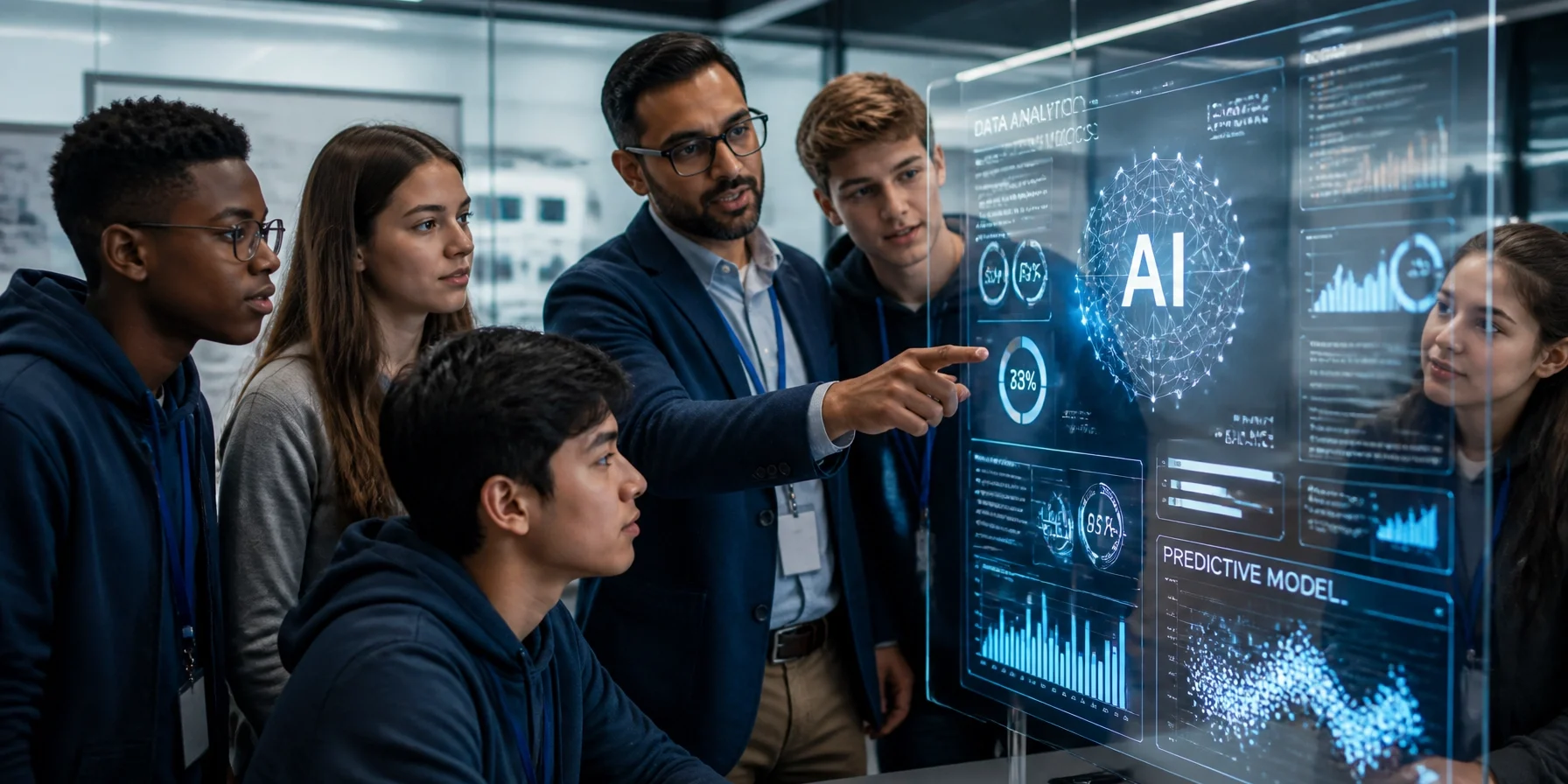
As we navigate the midpoint of 2026, the corporate landscape has reached a pivotal juncture in human capital management. The rapid acceleration of Cloud computing, Artificial Intelligence (AI), and advanced Data Analytics has transformed these once-niche sectors into the bedrock of global commerce. However, this technological leap has exposed a significant vulnerability in the modern business model: a shrinking pipeline of specialized talent.
The question facing CEOs and HR directors today is no longer whether they need tech talent, but rather where that talent will come from in the next three to five years. Traditional recruitment methods, which often focus exclusively on university graduates or mid-career professionals, are proving insufficient against the sheer scale of demand. In this environment, high school outreach has emerged not merely as a corporate social responsibility initiative, but as a critical strategic imperative for securing the future of the American workforce.
The Specialized Talent Crunch: AI and Cloud in 2026
The demand for AI-ready talent has outpaced the rate at which traditional higher education can produce qualified candidates. Recent industry summits have highlighted a persistent skills gap, with technology leaders reporting that they are increasingly forced to spend substantial capital on reskilling and upskilling new hires who lack foundational digital literacy.
By 2026, digital skills in AI, cloud architecture, and data science are no longer viewed as optional "add-ons" for IT professionals; they are foundational requirements across all career clusters: from healthcare and manufacturing to agriculture and finance. This shift means that every sector is now competing for the same limited pool of talent. To remain competitive, organizations must look beyond the immediate hiring horizon and begin cultivating interest at the earliest possible stage: the high school level.

Why the "Early Funnel" Strategy is the Only Sustainable Path
The concept of the "Next-Gen Talent Funnel" suggests that interest in specialized STEM fields is often solidified long before a student enters university. If a company waits until a student has reached their senior year of college to introduce them to their brand and industry, they have already lost years of potential influence and skill development.
High school outreach allows companies to:
- Spark Interest Early: Exposure to real-world applications of AI and Data Analytics can pivot a student's academic focus toward high-demand fields.
- Align Education with Industry Needs: By partnering with schools, companies can ensure that Career and Technical Education (CTE) pathways reflect the actual tools and platforms used in the 2026 workforce.
- Build Brand Loyalty: Students who engage with a company through mentorship or internships are more likely to seek out that company for future employment.
Research from federal STEM talent strategy discussions indicates a major move toward more targeted AI- and CTE-aligned objectives. The goal is to build resilient, scalable pathways through collaboration between employers, educators, and federal agencies.
The Data Behind the Strategy
The efficacy of early outreach is not merely theoretical; it is supported by robust data. In the 2024–2025 academic year, programs such as Florida’s High School High Tech (HSHT) demonstrated remarkable success. By connecting students with disabilities to career exploration and work experiences, the program reported a 99% high school graduation rate among seniors and a 61% postsecondary enrollment rate.
Furthermore, national enrollment in K-12 Career and Technical Education grew from 7.8 million to 8.6 million students between 2023 and 2024. This growth reflects a significant appetite among students for career-linked learning. When companies engage with these 8.6 million students, they are accessing a massive, motivated, and increasingly skilled demographic.

The Role of Industry-Education Partnerships
For high school outreach to be effective, it must move beyond occasional guest speaking roles. The most successful models in 2026 involve deep, sustained partnerships. Industry experts suggest that high schools should aim to build relationships with at least three local companies to align curricula with real-world skill needs.
These partnerships often include:
- Facility Tours: Allowing students to see advanced technologies, such as cloud server farms or automated logistics centers, in action.
- Certification Pathways: Ensuring 100% of students in tech pathways earn industry-recognized certifications (e.g., AWS, Microsoft, or Google Cloud credentials) before they graduate.
- Project-Based Learning: Providing students with real datasets to analyze, giving them a taste of the challenges faced by professional data analysts.
At USA Entertainment Ventures LLC, we understand the complexities of managing these transitions. Our focus on recruitment and management, including our work with the DOD Skill Bridge program, highlights the importance of bridging the gap between education, military service, and private sector requirements. Just as Skill Bridge prepares veterans for civilian careers, high school outreach prepares the next generation for the digital economy.
Managing the Pipeline: From Classroom to Career
Successful talent acquisition in 2026 requires a "management" mindset. It is about overseeing the journey of a potential employee from the moment they first express interest in a technology-related subject. This proactive approach mirrors the services provided by USA Entertainment Ventures LLC, where we manage the various divisions of talent and professional development.
By treating high school students as a long-term asset rather than a distant possibility, companies can reduce their long-term recruitment costs. The cost of a high school internship program or a series of classroom workshops is significantly lower than the cost of a headhunter's fee or the lost productivity caused by an unfilled AI architect position.

Actionable Takeaways for Leadership
For CEOs and HR directors looking to implement or expand their high school outreach, we suggest the following steps:
- Audit Your Future Needs: Identify which roles will be hardest to fill in 2028 and 2030. Focus your outreach on those specific technical disciplines, such as Cloud management or AI ethics.
- Partner with Local CTE Directors: Reach out to your local school district’s Career and Technical Education director. They are often eager for industry input to keep their programs relevant.
- Offer Micro-Internships: Rather than a full summer program, consider one-week "shadowing" opportunities or remote project-based challenges that fit into a high schooler’s schedule.
- Leverage Existing Frameworks: Look at successful models like the NSF’s Advanced Technological Education (ATE) program, which focuses on improving technician education in high-tech STEM fields at both secondary and community college levels.
A Forward-Looking Strategy for 2027 and Beyond
As we look toward 2027, the divide between companies that have secured their talent pipelines and those that are scrambling to hire will only widen. High school outreach is the most effective tool for ensuring that your organization is on the right side of that divide.
In the words of industry experts at the recent Tech & Talent Summit, "AI is reshaping the workforce at a pace that traditional education cannot match on its own. Stronger partnerships between education and industry are no longer a luxury; they are essential for economic resilience."
By investing in the youth of today, businesses are not just performing a civic duty; they are building the infrastructure of their own future success. The talent is there, the interest is growing, and the data is clear. The only remaining factor is the commitment of business leaders to step into the classroom and lead the way.
For more information on talent management and strategic recruitment, visit our career opportunities page or explore our services.






